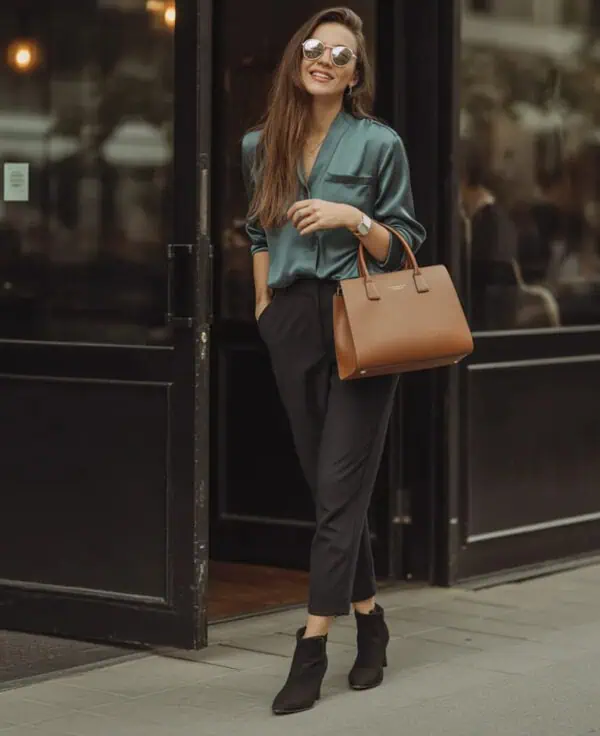
Clothing does not always need to be expensive or trendy to look good. In many cases, the way clothes fit makes a much bigger difference than the style itself. Small details such as sleeve length, shoulder fit, and pant hems can completely change how an outfit appears. When clothing fits well, it naturally looks more polished and balanced. On the other hand, even beautiful pieces can look awkward if the fit is slightly off. Paying attention to a few simple fit details can instantly improve the overall look of everyday outfits. These small adjustments help clothes follow the natural shape of the body while still allowing comfort and movement. Over time, noticing these details can make getting dressed easier and help create a wardrobe that feels both flattering and effortless.
Table of Contents
1. Natural Changes in Body Shape

As women move into their forties and beyond, the body naturally changes in ways that can affect how clothing fits. Weight distribution may shift, the waistline may become less defined, and muscle tone may gradually change. These changes can make clothing that once felt perfect suddenly feel less comfortable or flattering. Many women notice that certain cuts or fabrics no longer sit the same way on their bodies. Because of this, finding clothing that offers better structure, support, and flexibility becomes more important. Dresses, trousers, and tops that gently follow the natural shape of the body often become more appealing than extremely tight or overly loose styles. Adjusting to these changes can take some time, but it also encourages women to explore clothing that truly complements their current body shape rather than relying on styles that worked years earlier.
2. Clothing Sizes May Feel Less Predictable

Another reason getting dressed may feel harder after forty is that clothing sizes often become less reliable. A size that once fit perfectly may now feel different depending on the brand, fabric, or cut. This inconsistency can make shopping more frustrating and time consuming. Many women begin to realize that focusing too much on the number on the label is not helpful. Instead, the emphasis shifts toward how the garment actually fits and feels when worn. Trying different cuts and experimenting with fabrics can become necessary to find the right balance of comfort and style. Over time, many women learn which brands and shapes work best for their bodies. This awareness helps reduce the frustration of unpredictable sizing and makes it easier to select clothing that feels both comfortable and flattering.
3. Fashion Trends May Feel Less Practical

Fashion trends often change quickly, and many of them are designed to attract attention rather than support everyday comfort. After forty, some women find that certain trends no longer feel practical for their lifestyle. Extremely cropped tops, oversized silhouettes, or overly casual pieces may not match the look they want to achieve. Instead of following every new trend, many women begin to focus on timeless pieces that feel more versatile. Classic shapes, balanced proportions, and neutral colors often become more appealing because they can be worn for years. This shift away from fast changing trends can make getting dressed feel slightly more complicated at first, but it also helps create a wardrobe that feels more reliable and refined over time.
4. Lifestyle Priorities Often Change

Life responsibilities often evolve during the forties. Many women balance work commitments, family responsibilities, and social activities that require different types of clothing. These changes can influence what feels appropriate and comfortable to wear. Clothing that works well for long days, travel, or professional environments often becomes more important than purely fashionable items. As a result, women may start looking for pieces that transition easily from one setting to another. A simple outfit that works for both daytime activities and evening plans becomes more valuable than multiple single purpose items. These changing lifestyle needs can make wardrobe decisions more complex, but they also encourage practical and thoughtful choices.
5. Comfort Becomes a Stronger Priority

Comfort often becomes a much more important factor in clothing choices after forty. Fabrics that feel soft, breathable, and flexible are often preferred over pieces that feel restrictive or difficult to wear for long periods. Shoes, in particular, become an area where comfort plays a larger role in decision making. While style still matters, many women begin prioritizing clothing that allows them to move easily throughout the day. This shift does not mean sacrificing elegance. Instead, it encourages selecting pieces that combine comfort with thoughtful design. Clothing that feels good to wear often looks better as well because it allows the wearer to move naturally and confidently.