The 1950s are often remembered for their polished fashion and classic silhouettes, but behind the elegance lay a web of strict social codes. Clothing wasn’t just about style, it was a symbol of morality, gender roles, and conformity. From schools to sidewalks, what you wore signaled your place in society, and stepping outside the lines could have real consequences. Whether dictated by schools, workplaces, churches, or neighborhood norms, fashion rules in the ’50s were enforced with an iron glove.
Table of Contents
1. Women Couldn’t Wear Pants in Many Public Places
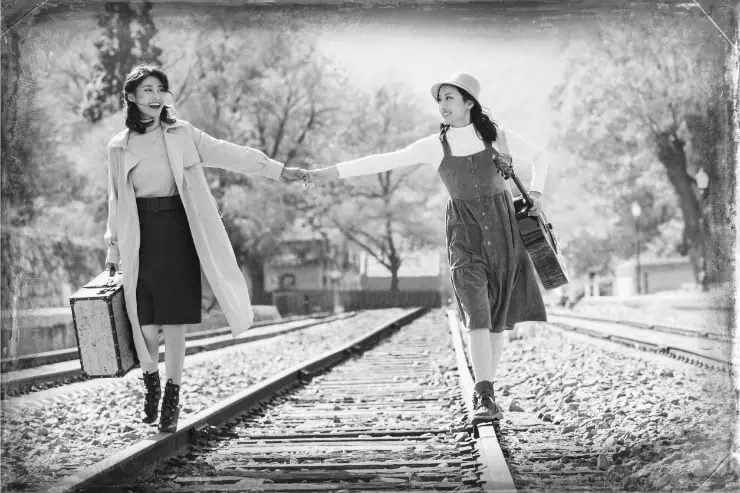
Across much of America in the 1950s, women wearing pants was still seen as inappropriate or masculine. While slacks had gained some traction during wartime, they were quickly relegated back to “housework-only” attire. Schools, restaurants, and many offices enforced bans against women in trousers, expecting them to wear skirts or dresses at all times. Even in winter, women were expected to layer stockings and skirts rather than opt for pants. This restriction reflected strict gender norms that limited women’s physical comfort and personal expression in favor of traditional femininity.
2. Men Had to Wear Hats, But Only the Right Kind

In the 1950s, hats were a symbol of social status and discipline for men, but even this accessory came with unspoken rules. A fedora or trilby was acceptable for a professional man, but wearing a cap or going hatless in formal settings was considered disrespectful or lazy. Teen boys wearing baseball caps indoors or to school might be disciplined for being too casual or “sloppy.” Certain hats, like berets or flamboyant styles, were frowned upon for being “too artistic” or nonconforming. This dress code upheld a rigid vision of masculinity rooted in decorum.
3. Women’s Hemlines Had Strict Limits
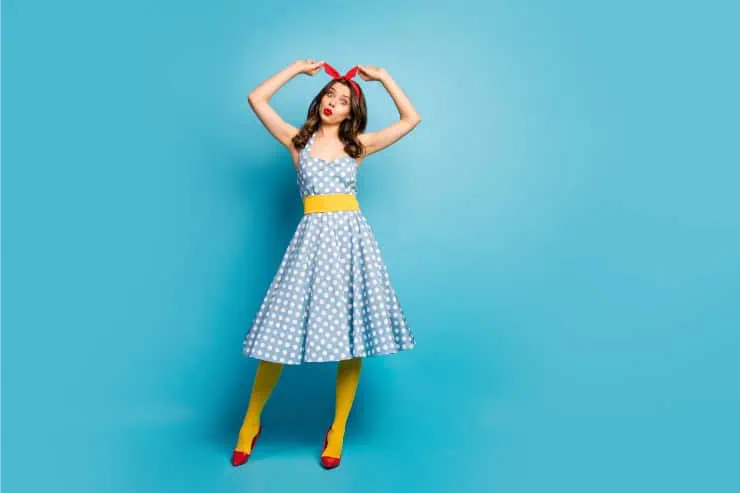
While miniskirts didn’t arrive until the 1960s, hemlines in the ’50s were carefully policed. Dresses and skirts were expected to fall mid-calf, around the “tea length,” particularly for adult women. Anything significantly shorter was labeled “immodest,” even scandalous. Schools and churches sometimes used rulers to ensure girls’ skirts weren’t above the knee. Going against the norm could mean social ostracism or being sent home to change. The rules aimed to enforce ladylike modesty and discourage any fashion that might be interpreted as sexually suggestive.
4. Sleeveless Tops Were Often Considered Improper

Wearing sleeveless blouses or dresses could provoke criticism, especially for women in conservative areas or religious settings. In schools and churches, baring one’s shoulders was seen as immodest or rebellious. Even sundresses required a cardigan or shawl for “decency.” This rule wasn’t just about exposure, it also signaled class and morality, associating modesty with virtue. For a woman to go sleeveless in public without a cover-up meant risking judgment or being told she was “showing too much,” even in sweltering summer weather.
5. Jeans Were Forbidden in Many Schools

Today’s fashion staple was once considered low-class or inappropriate. In the 1950s, jeans were associated with manual labor, rebellion, and teen delinquency. Many schools explicitly banned denim, fearing it would encourage bad behavior or undermine discipline. Boys wearing jeans to class might be reprimanded or even suspended, while girls were rarely allowed to wear pants at all. This rule reinforced class distinctions and tried to uphold a clean-cut, polished image of youth, free from the influence of rock ‘n’ roll or counterculture.
6. No Visible Undergarments At All

Visible bra straps or panty lines were a major fashion faux pas in the 1950s, especially for women. Undergarments were to remain completely hidden, both out of modesty and a sense of social refinement. Foundations like girdles and slips were expected to smooth out any curves and prevent outlines, and women faced pressure to keep their appearances “controlled.” A visible bra strap could be viewed as shocking or suggestive, especially in public or formal environments. The rule reflected society’s discomfort with sexuality and strict expectations around how a woman should present herself.
7. Casual Wear Was Not for Public Spaces

Unlike today’s relaxed dress codes, wearing casual clothes like shorts, T-shirts, or sneakers outside the home was often discouraged. Women wearing housecoats to the store or men in undershirts on the street were seen as slovenly. Neighborhood gossip or public shaming could follow if someone failed to “dress properly,” even for errands. Adults were expected to look tidy and put together at all times, reinforcing the idea that appearances reflected character. In essence, looking “too comfortable” was seen as a sign of laziness or disrespect.
8. Makeup for Teen Girls Was Discouraged Or Banned
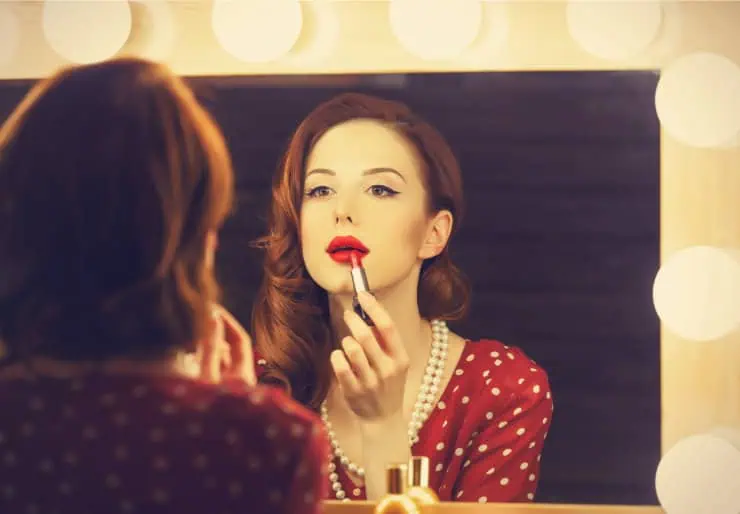
Teenage girls in the 1950s were expected to look youthful and “pure,” which meant avoiding bold makeup. Many schools had rules prohibiting lipstick, eyeliner, or colored nail polish. Red lipstick, in particular, was associated with older women or provocative behavior, so teens caught wearing it risked punishment or scolding. Mothers and school officials often enforced this rule to maintain a girl’s reputation and discourage early interest in sexuality. Instead, clear lip gloss and minimal powder were allowed, anything beyond that was considered unladylike or inappropriate.
9. Tattoos Were Considered Socially Unacceptable

In the 1950s, tattoos were a sign of rebellion or a working-class lifestyle, mostly associated with sailors, bikers, or convicts. For men, a tattoo could bar them from employment in offices or respectable service industries. For women, it was even more scandalous, tattoos on women were viewed as taboo, vulgar, or evidence of moral failing. Fashion norms required tattoos to be completely hidden under clothing, especially in polite society.
10. Hair Had Its Own Dress Code

Hair length, style, and grooming were closely watched in the 1950s, especially in schools and workplaces. Men were expected to keep their hair short and neatly combed, long or “greaser” styles could get boys sent home. Women were expected to wear their hair set, curled, and tidy, with updos or pageboys being the norm. Hair dye in bold shades or unkempt styles drew criticism. A polished hairstyle was a key part of being presentable, and messy or unconventional hair was often viewed as a sign of laziness or rebellion.
11. Sunday Best Was Mandatory for Church
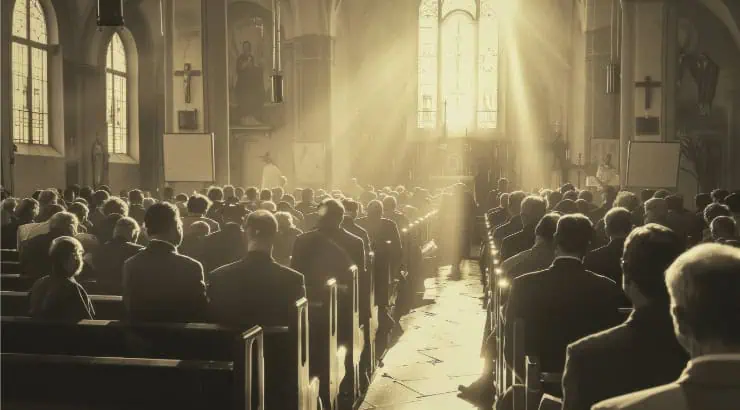
Attending church in the 1950s meant wearing your absolute finest clothing. Men wore suits and ties, while women donned tailored dresses, gloves, hats, and heels. Children were expected to be equally polished, with pressed garments and clean shoes. Showing up in anything deemed too casual, even a simple cotton dress without accessories, could lead to quiet whispers or disapproving glances. The idea was that respect for religion was shown through impeccable dress, and anything less than formal attire was seen as disrespectful.