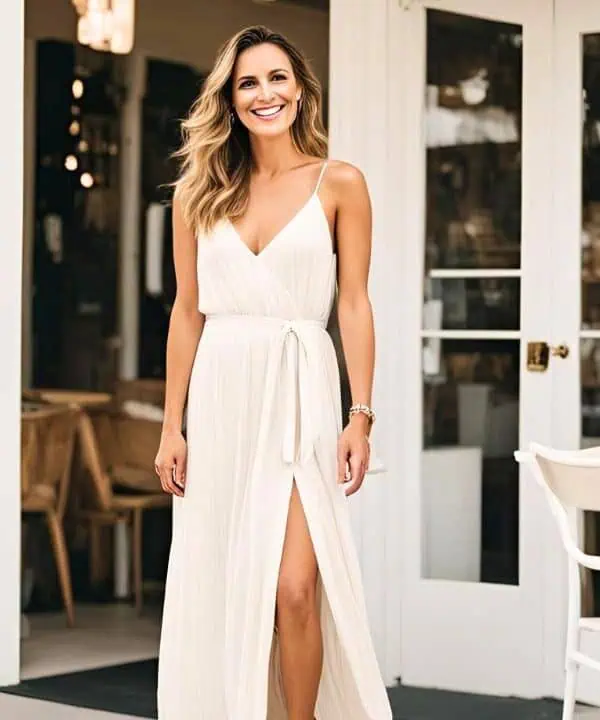
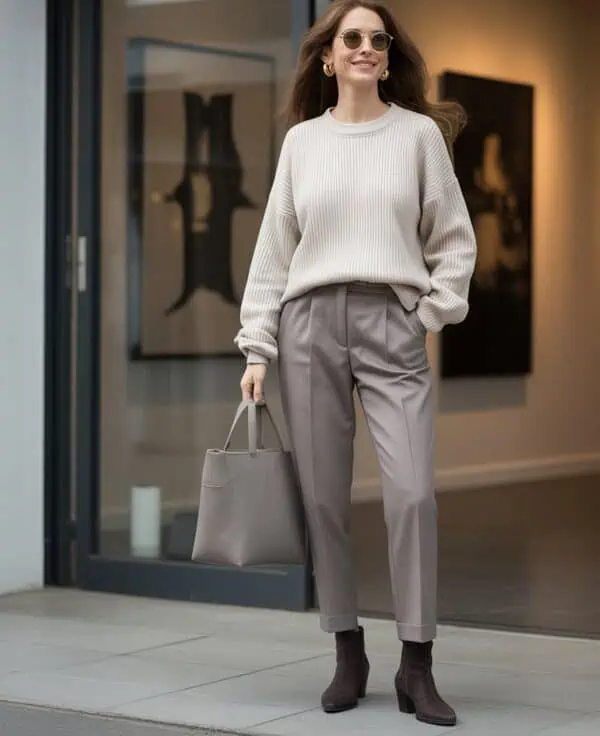
For decades, mainstream fashion centered youth as its creative focus, often overlooking the depth and individuality that develop with age. Recently, however, style after 50 has become markedly more interesting because it’s less constrained by trend pressure and more shaped by personal identity. Women in midlife increasingly dress from experience rather than experimentation, blending refinement with ease in ways that feel authentic and visually distinctive. Designers and brands are also responding to mature consumers who prioritize quality, fit, and longevity. The result is fashion that reflects real life rather than idealized youth. This shift has made midlife style more nuanced, confident, and creatively satisfying than the often trend-driven dressing seen at 25.
Table of Contents
1. Confidence Replaces Trend Anxiety

One of the biggest differences between fashion at 25 and after 50 is the absence of urgency around trends. Younger style often revolves around staying current, while midlife dressing prioritizes what genuinely works. This confidence allows women over 50 to interpret fashion selectively, adopting only elements that suit their lifestyle and body. The result is clothing that feels intentional rather than reactive. Because decisions are guided by self-knowledge rather than external pressure, outfits gain clarity and coherence. Confidence also enables experimentation without fear of judgment, making style more personal and interesting. This psychological freedom is a major reason midlife fashion now appears richer and more authentic.
2. Personal Identity Becomes the Aesthetic

By midlife, style often reflects decades of lived experience career, travel, cultural influences, and evolving taste. Clothing becomes a visual language for identity rather than a tool for belonging. This creates wardrobes that feel layered and distinctive. Unlike at 25, when many people dress similarly within trends, women over 50 often develop recognizable signatures: consistent silhouettes, palettes, or accessories. This individuality makes midlife fashion visually compelling. Pieces are chosen for meaning and longevity rather than novelty. The aesthetic becomes autobiographical, telling a story about the wearer. That depth is what makes fashion after 50 feel more engaging and sophisticated.
3. Quality and Craft Overtake Quantity
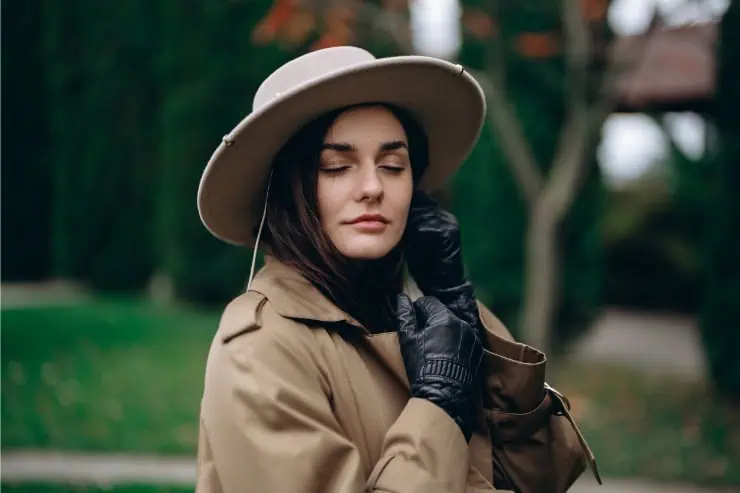
Fashion after 50 increasingly emphasizes fewer, better pieces. Many women shift toward higher-quality fabrics, thoughtful construction, and timeless design rather than fast-changing items. This elevates overall appearance because garments age well and maintain structure. At 25, wardrobes often prioritize variety and affordability, which can dilute visual cohesion. Midlife dressing instead favors investment pieces that integrate across outfits. The resulting look feels polished and consistent. Craft awareness also enhances appreciation for tailoring, textiles, and detail. This focus on quality contributes to the perception that fashion after 50 carries more substance and refinement than youth-oriented wardrobes.
4. Comfort and Elegance Finally Align

Younger fashion often separates comfort and style, while midlife dressing merges them. Women over 50 increasingly seek garments that allow movement and ease without sacrificing polish. Advances in fabric technology and design have made this balance achievable, leading to silhouettes that skim rather than constrain. When clothing feels comfortable, posture and confidence improve, enhancing appearance. This harmony between physical ease and visual elegance produces outfits that look natural and assured. The absence of discomfort or forced styling makes midlife fashion appear more relaxed and modern. Comfort no longer signals compromise; it signals confidence and sophistication.
5. Silhouette Awareness Deepens With Experience

Understanding proportion and fit typically grows over time. By 50, many women know which cuts flatter their body and which distort it. This awareness leads to better garment choices and more harmonious outfits. Younger dressing often experiments widely, sometimes resulting in imbalance or trend excess. Midlife style refines silhouette deliberately balancing volume, defining waist subtly, and choosing lengths strategically. This structural clarity makes clothing look tailored even when relaxed. Silhouette mastery adds visual interest because proportions feel resolved rather than accidental. Experience transforms fit from guesswork into intuition, elevating overall style presence.