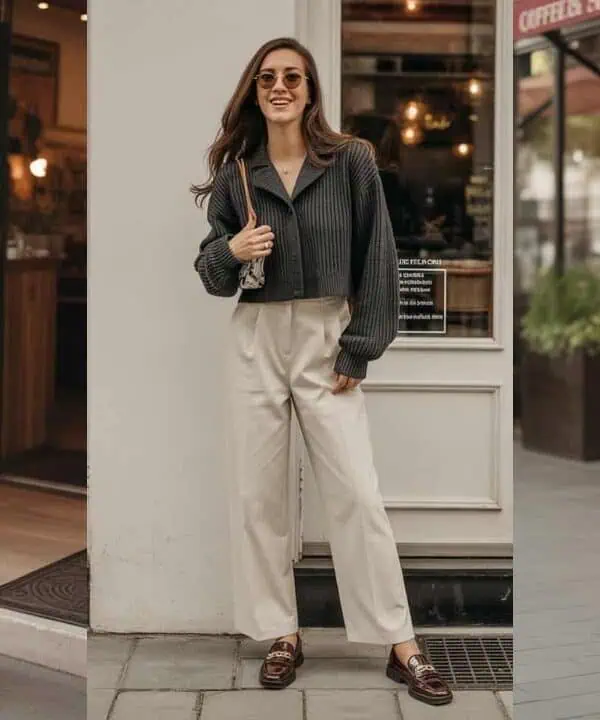
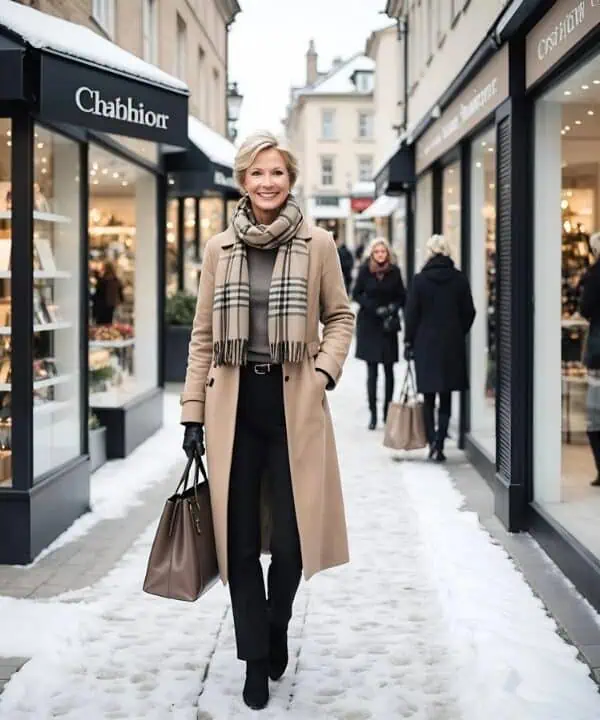
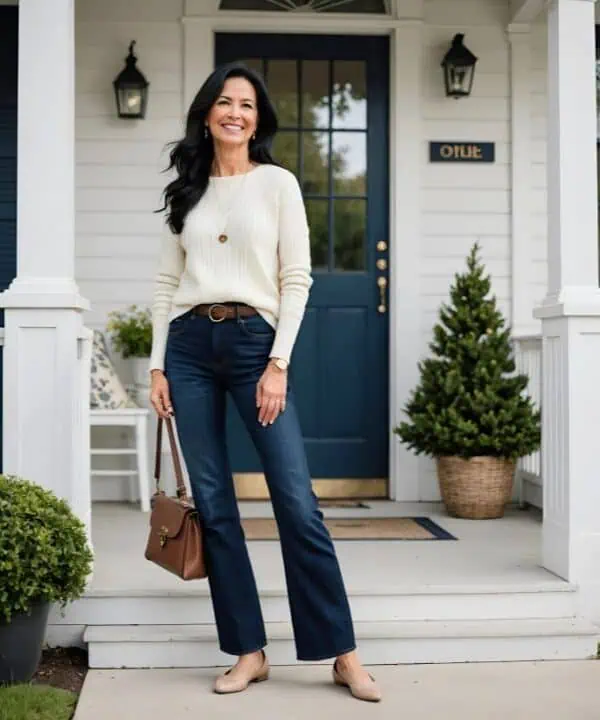
Many wardrobes quietly reflect a life that no longer exists careers that changed, bodies that evolved, routines that shifted, or identities that expanded. Clothes once chosen for professional roles, social expectations, or earlier self-image can remain long after circumstances change. The result is a subtle disconnect: garments that technically fit but feel out of place in daily reality. Dressing well again often begins not with trends or shopping, but with alignment ensuring clothing supports how you live now. When wardrobe matches current movement, responsibilities, comfort needs, and personal expression, style regains authenticity. Letting go of past versions of yourself allows clothing to feel relevant, effortless, and emotionally accurate again.
Table of Contents
1. Your Daily Activities Have Changed
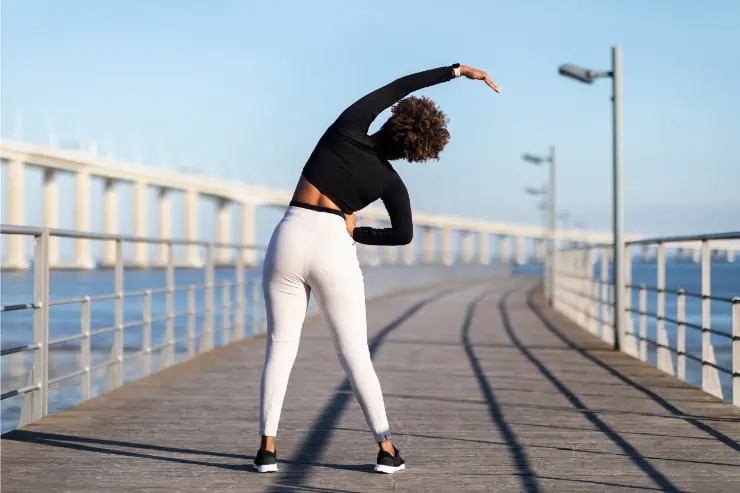
Clothing designed for a former routine office schedules, formal events, or constant socializing may not suit a life centered on different rhythms. Retirement, remote work, caregiving, travel, or lifestyle shifts alter movement patterns and comfort requirements. Garments that once made sense can now feel impractical or performative. Dressing for present activity means choosing pieces that support how the body actually moves and where time is spent. When clothing matches lived experience, it feels natural rather than staged. The wardrobe becomes functional again instead of symbolic of a past role.
2. Your Body Has Evolved

Bodies change through age, health, or natural variation, yet wardrobes often remain anchored to earlier shapes or sizes. Clothes that once flattered may now pull, hang, or distort proportion. Holding onto former fit expectations creates tension between garment and body. Dressing for the current body means accepting new contours and selecting silhouettes that harmonize with them. This isn’t compromise it’s alignment. When clothing respects present proportions, it restores visual balance and comfort. Style becomes supportive rather than corrective. The wearer feels seen rather than compared to a past version.
3. Your Comfort Threshold Is Different

Tolerance for restriction often shifts over time. Fabrics once acceptable may now feel stiff, tight, or heavy. Shoes once wearable may no longer suit mobility needs. Ignoring these changes leads to clothes that are technically appropriate but rarely worn. Dressing for current comfort recognizes that ease is part of modern elegance. Soft structure, breathable materials, and practical footwear allow clothing to integrate into life instead of interrupt it. When comfort aligns with style, outfits become repeatable and reliable. Wardrobe satisfaction increases because pieces truly work.
4. Your Identity or Priorities Have Shifted

Personal expression evolves with experience. Colors, silhouettes, or aesthetics that once felt right may no longer represent how you see yourself. Yet wardrobes can lag behind identity changes, preserving earlier tastes or social expectations. Dressing for who you are now means updating visual language tone, shape, or detail to match current self-perception. This doesn’t require trend adoption; it requires honesty. When clothing reflects present values and personality, style feels authentic rather than inherited. The wardrobe becomes an extension of self rather than a record of past roles.
5. Your Environment and Climate May Be Different

Relocation, travel patterns, or seasonal shifts alter practical clothing needs. Fabrics, layers, and silhouettes suited to one climate may be uncomfortable or unused in another. Yet many wardrobes retain pieces tied to previous environments. Dressing for the current setting ensures garments function in temperature, humidity, and lifestyle context. When clothing aligns with environment, wear frequency rises and frustration drops. The wardrobe feels relevant rather than nostalgic. Practical alignment supports aesthetic coherence because garments actually belong in daily life.