Packing well is a skill refined through experience and after traveling to more than 40 countries across climates, cultures, and trip styles, I’ve learned that what you pack matters far less than how you pack. Overpacking creates stress, heavy luggage, and unworn clothes, while underpacking leaves you scrambling. The sweet spot is strategic versatility: fewer items that work harder, layer smarter, and adapt easily. These packing secrets focus on real-world efficiency minimizing bulk, maximizing outfit combinations, and avoiding common travel frustrations.
Table of Contents
1. Plan Outfits, Not Pieces

The most transformative packing shift is thinking in complete outfits rather than individual garments. Random “just in case” items rarely coordinate, leading to excess and unworn clothing. Instead, map each day or activity to a specific outfit, then ensure pieces can mix across multiple looks. This approach naturally limits quantity while increasing versatility. For example, one pair of trousers might serve three outfits with different tops or layers. Seeing combinations in advance prevents duplication and reveals gaps before departure. It also eliminates decision fatigue while traveling, because outfits are pre-considered.
2. Choose a Tight Color Palette
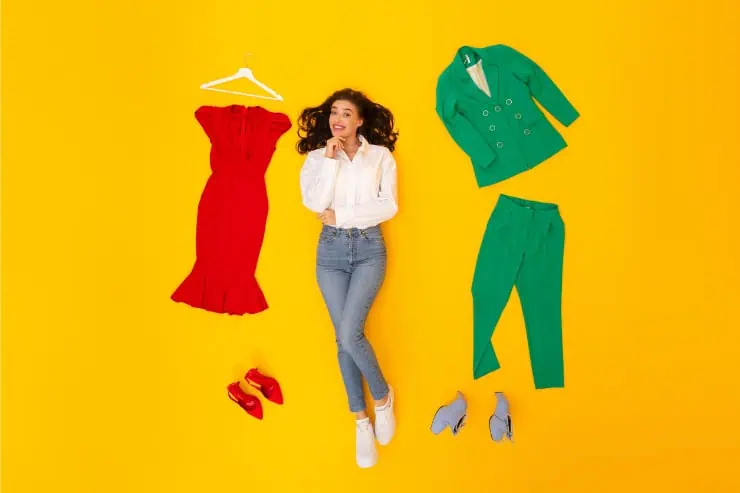
A restricted color palette dramatically increases mix-and-match potential and reduces packing volume. When tops, bottoms, and layers share compatible tones, nearly everything coordinates effortlessly. Neutrals like black, navy, beige, or white provide the base, while one or two accent colors add personality. This system prevents the common mistake of packing appealing but incompatible items. It also simplifies accessories and footwear choices, since fewer color conflicts exist. A cohesive palette means fewer pieces can create more outfits, which is the essence of efficient packing.
3. Prioritize Layering Over Bulk
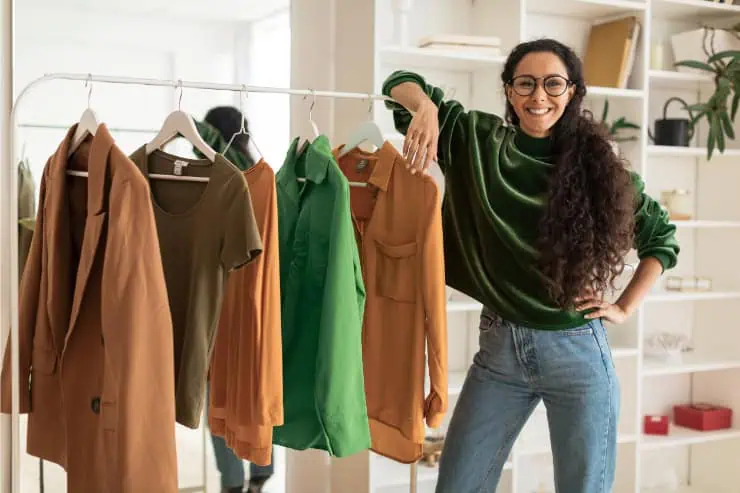
Bulky items consume suitcase space quickly and limit flexibility across climates. Layering, however, allows the same core outfit to adapt to changing temperatures. Lightweight knits, thin thermal layers, scarves, and packable outerwear provide warmth without volume. This approach is especially useful for destinations with temperature swings between day and night or indoor and outdoor environments. Layers can be added or removed throughout the day, maintaining comfort without carrying extra clothing.
4. Wear Your Heaviest Items in Transit
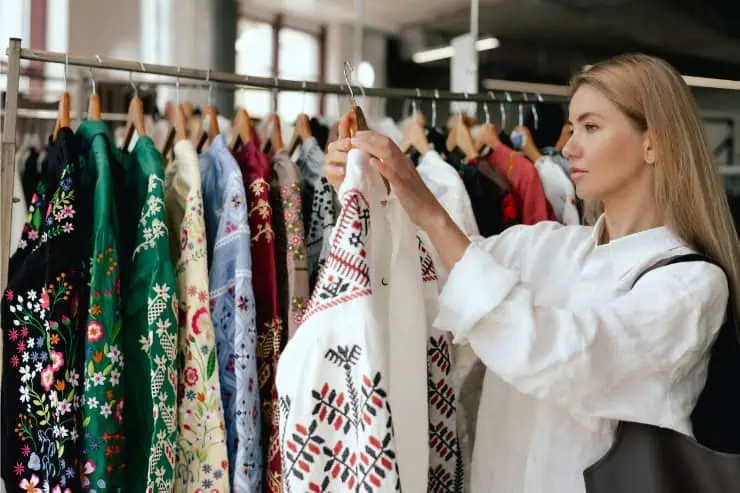
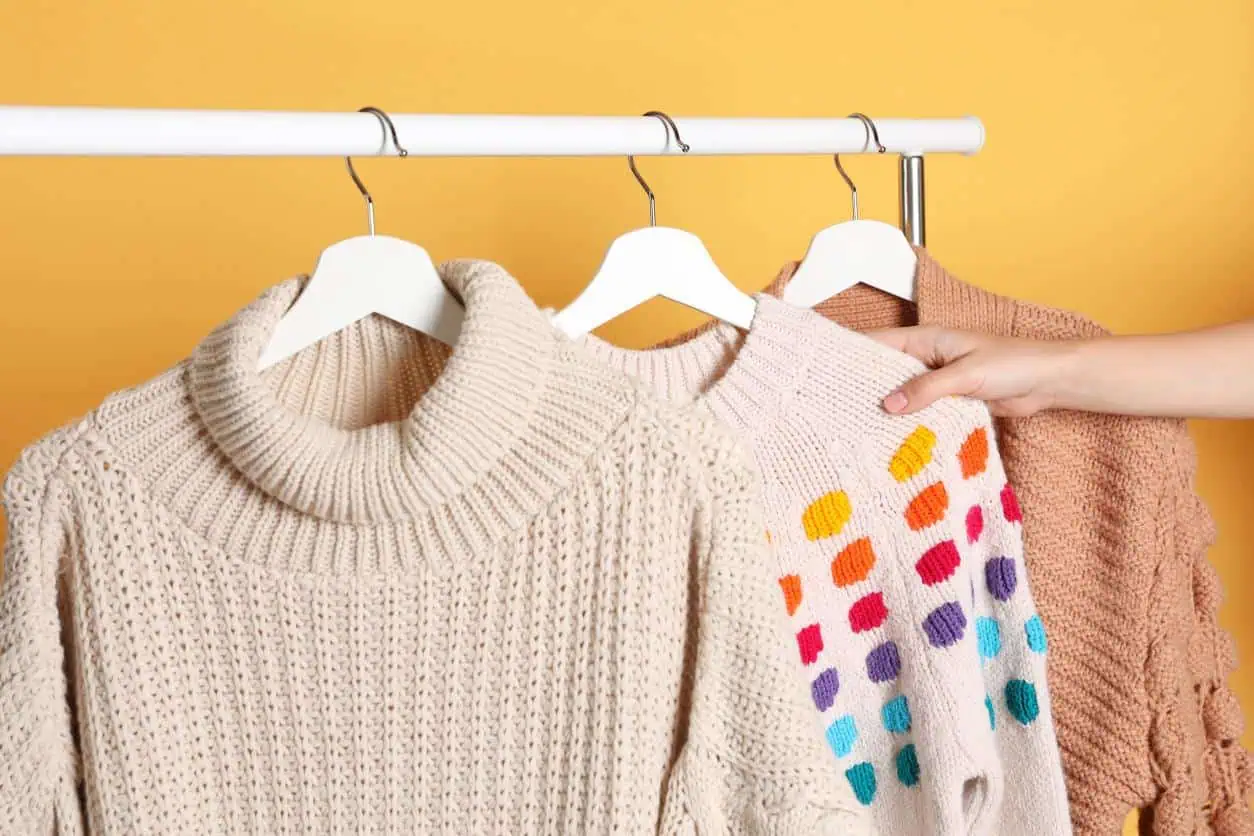
Shoes, coats, and thick knits are among the bulkiest travel items. Wearing them during flights or long transit days frees substantial suitcase space and weight. Airplanes and airports are also often cool, making these layers practical rather than inconvenient. Once at your destination, these pieces can be removed and worn as needed. This strategy is particularly valuable for boots, structured jackets, or sweaters that would otherwise dominate luggage capacity. It also protects shape-sensitive items from compression in a suitcase.
5. Use Packing Cubes by Outfit Type
Packing cubes are most effective when organized by outfit category rather than garment type. For instance, grouping each day’s outfit or pairing tops with their intended bottoms keeps combinations intact. This prevents rummaging and wrinkling while making unpacking or repacking faster. It also provides visual inventory seeing exactly what you have without unfolding everything. During multi-stop trips, cubes allow selective access without disrupting the entire suitcase.