Many women reach a point where shopping stops feeling enjoyable. Changing trends, overwhelming choices, inconsistent sizing, and crowded stores can turn what was once fun into fatigue. Yet the need to dress daily remains. The solution isn’t more purchases it’s simpler outfit structures built from reliable pieces already in the wardrobe. Easy looks rely on clear silhouettes, minimal coordination, and garments that work repeatedly without styling effort. When outfits follow dependable formulas, dressing becomes routine rather than decision-heavy. This approach reduces shopping pressure while keeping appearance polished. Style shifts from acquiring new items to using existing ones more intelligently and consistently.
Table of Contents
1. Monochrome Base + One Layer

Wearing one color head to toe instantly simplifies coordination because matching decisions disappear. A neutral base black, navy, beige, grey, or soft brown creates a continuous vertical line that looks intentional without effort. Adding a single layer such as a cardigan, blazer, or lightweight coat introduces dimension while preserving ease. Because the base color is unified, almost any compatible outer piece works. This formula relies on items most wardrobes already contain: trousers or skirt plus top in similar tone. The result appears polished and cohesive without shopping for specific combinations. Monochrome also elongates the body, making the outfit look more refined automatically.
2. Soft Structured Dress + Flats
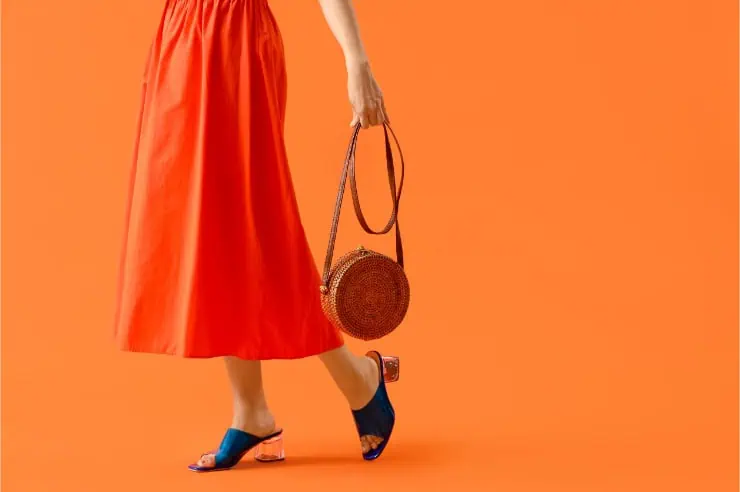
A softly structured dress one that skims rather than clings or billows forms a complete outfit in a single piece. Pairing it with simple flats removes coordination complexity entirely. The silhouette already contains balance: defined shoulder or waist suggestion with comfortable drape. Dresses eliminate matching tops and bottoms, making dressing quick and reliable. Most women own at least one such dress suitable across settings. Flats keep the look practical and wearable. This combination works repeatedly without feeling identical because accessories or layers can change subtly. It’s one of the lowest-effort polished outfits possible.
3. Knit Top + Fluid Trousers
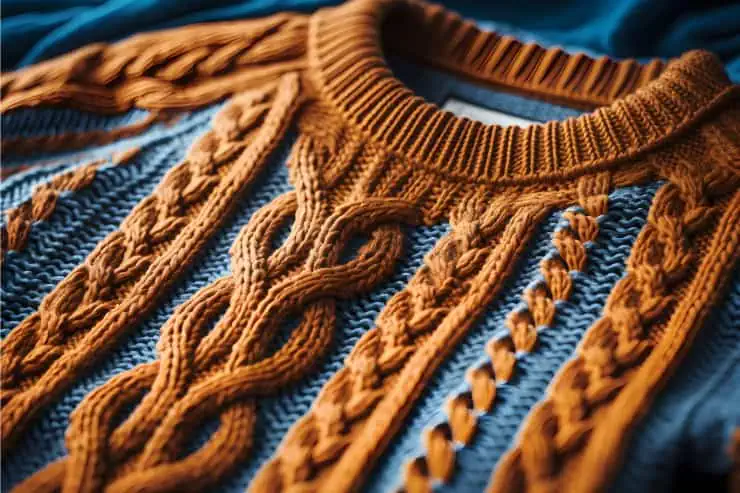
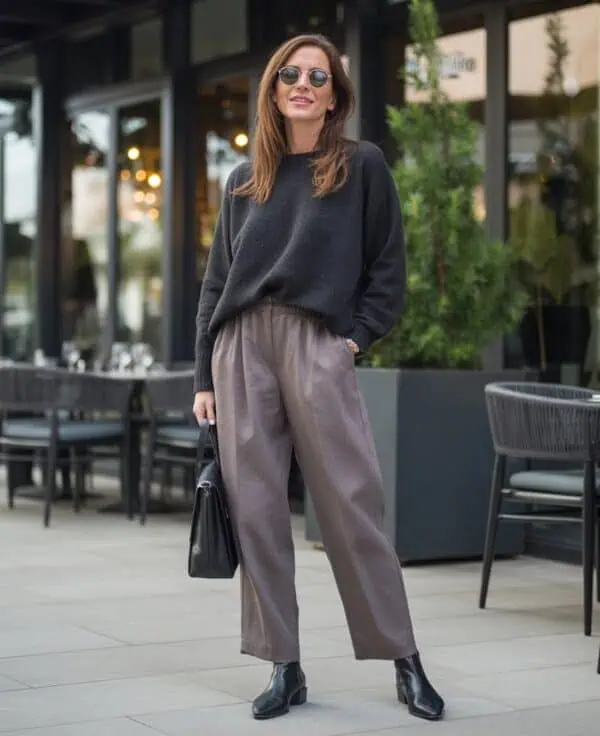
A comfortable knit top paired with softly draping trousers creates an easy, modern silhouette that feels relaxed yet composed. The knit provides familiarity and stretch, while the fluid trouser adds structure through length and movement. This balance prevents the outfit from looking too casual or too formal. Both pieces are common wardrobe staples, and neutral colors mix easily. Because neither garment requires precise styling, they fall into place naturally. The combination adapts across seasons with minor adjustments like sleeve length or fabric weight. Dressing becomes a predictable formula rather than a search for new items.
4. Straight Jeans + Clean Shirt
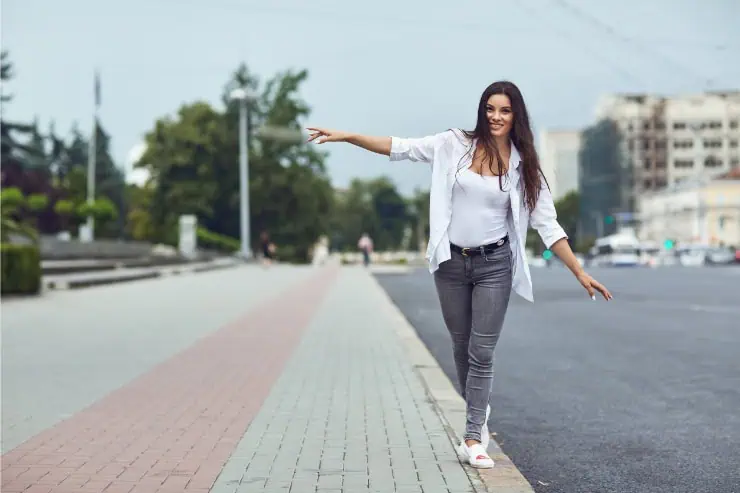
Straight-leg jeans and a simple shirt form a timeless pairing that rarely feels dated. The straight jean avoids trend extremes while providing stable proportion. A clean shirt cotton, chambray, or soft poplin adds clarity and light structure near the face. Together they create a balanced silhouette requiring minimal thought. Most wardrobes already contain both pieces, making this an accessible default. Rolling sleeves or tucking lightly can adjust formality without changing garments. Because the shapes are classic, repetition doesn’t read as outdated. It’s an easy, reliable uniform when shopping interest is low.
5. Column Skirt + Soft Sweater
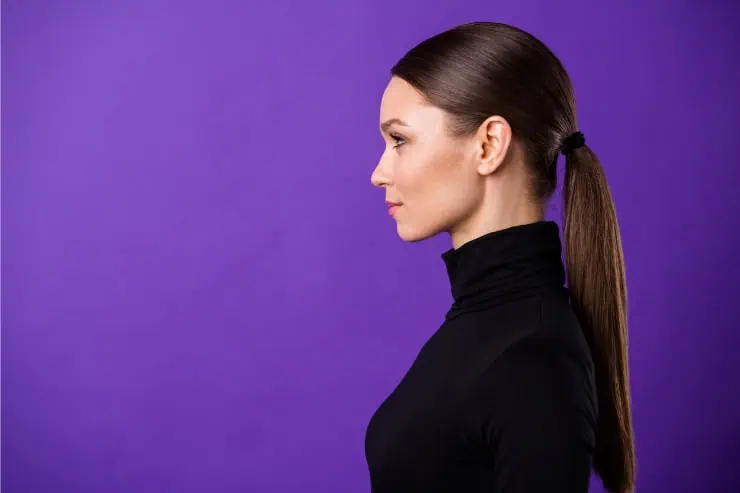
A straight or gently tapered skirt combined with a soft sweater creates a comfortable vertical line that feels calm and put-together. The skirt provides structure through length, while the sweater adds ease and warmth. This contrast keeps the outfit balanced without styling complexity. Neutral versions of both pieces often already exist in wardrobes. The formula works with flats or low boots, further reducing decisions. Because the silhouette is simple and elongated, it appears refined with little effort. It’s especially useful in cooler seasons when layering is desired but shopping isn’t.
6. Matching Set or Near Match Pieces
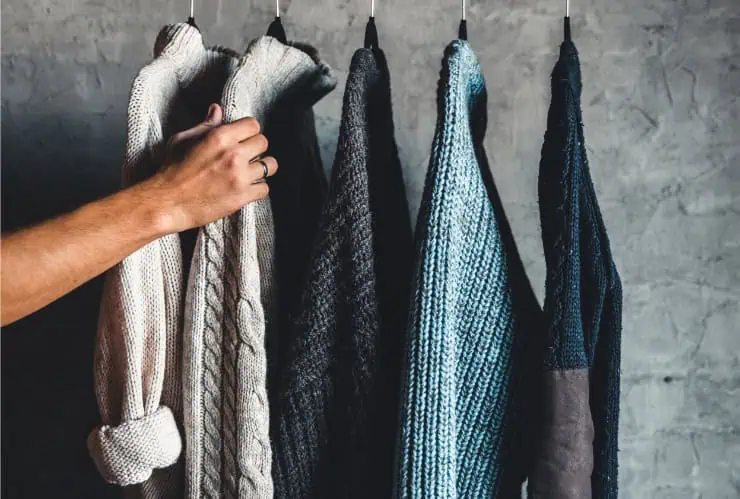
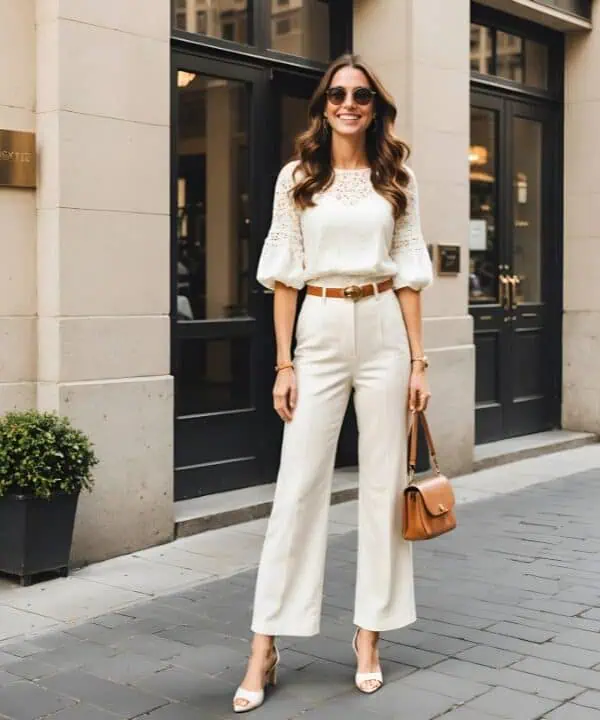
Coordinated sets or tops and bottoms in very similar tone and fabric remove outfit planning entirely. Even when purchased separately, pieces that nearly match function the same way. The consistent color and texture create cohesion automatically. Sets often exist unnoticed in wardrobes: suit pieces, knit coordinates, or tonal separates bought at different times. Wearing them together produces an instant polished look with no additional thought. Footwear and outerwear can remain neutral because the base is already complete. This approach maximizes existing items and eliminates the need to shop for combinations.