Fashion rules were originally created to simplify dressing and create consistency, but many of them are rooted in outdated social norms, body expectations, and lifestyle assumptions. Younger stylists aren’t interested in breaking rules for shock value they question them because modern style is about intention, comfort, and individuality. What once read as “proper” can now feel rigid, forced, or disconnected from real life. As styling has shifted toward balance, proportion, and authenticity, many traditional rules no longer serve their original purpose. Letting go of these outdated ideas doesn’t mean abandoning polish it means redefining it in a way that feels current, flexible, and personal.
Table of Contents
1. Never Mix Black and Brown
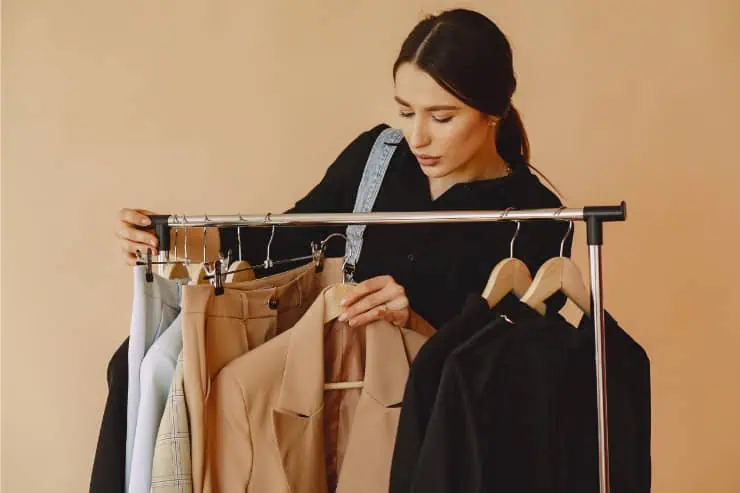
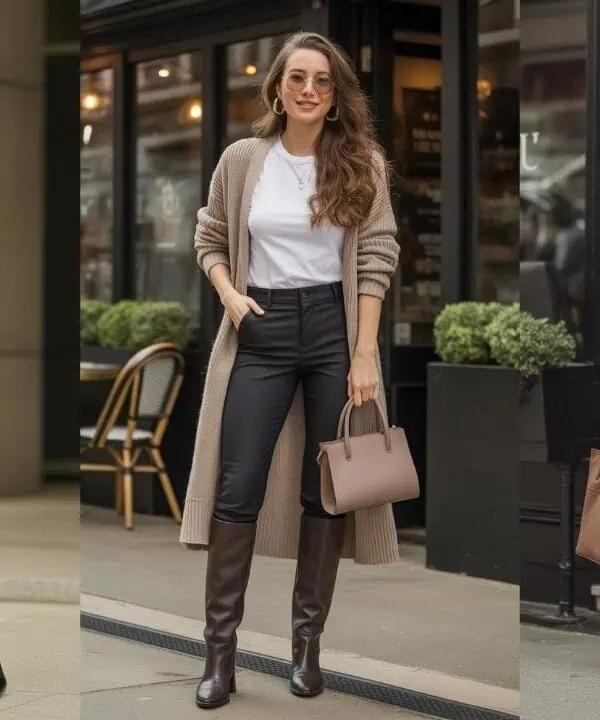
This rule is one of the first younger stylists discard. Black and brown were once treated as competing neutrals, but modern styling embraces their contrast. When paired thoughtfully, black sharpens brown while brown softens black, creating depth and sophistication. The key is intention similar saturation levels, quality fabrics, and clean silhouettes. Younger stylists often mix black boots with brown coats or brown leather bags with black tailoring. The combination feels modern because it reflects real life, not rigid color theory. Avoiding this pairing now reads more dated than wearing it.
2. Match Your Shoes to Your Bag
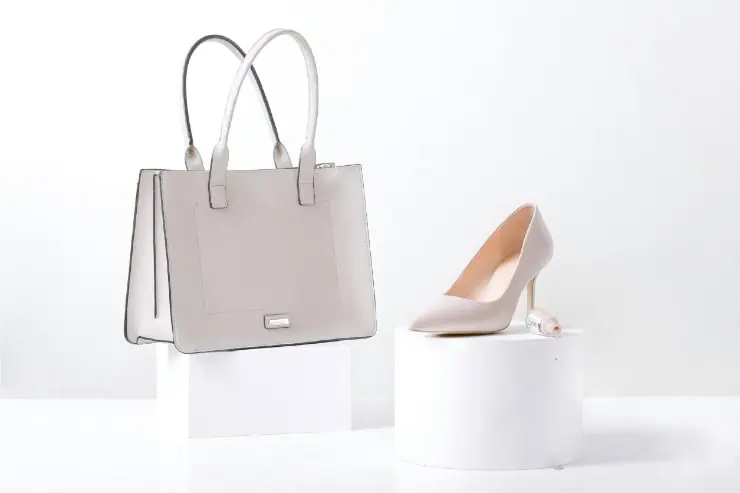
Perfectly matched accessories once signaled polish, but today they often feel overly deliberate. Younger stylists prefer cohesion over coordination. Instead of identical colors, they look for balance in tone, texture, or mood. A neutral bag with statement shoes, or vice versa, feels more relaxed and confident. Matching everything exactly can make an outfit feel planned rather than natural. Modern style values personality over perfection. Breaking this rule allows outfits to feel layered and lived-in instead of styled by formula.
3. Dress for Your “Body Type” Above All Else

Traditional body-type dressing focused on hiding or correcting perceived flaws. Younger stylists reject this framework because it encourages restriction and insecurity. Instead, they focus on proportion, comfort, and how clothing moves on the body. Modern styling asks: Does this feel balanced? Does it support how you live? Clothing is no longer about disguising the body it’s about working with it. Rigid body-type rules often limit experimentation and reinforce outdated ideals. Letting go of them opens the door to confidence-driven dressing.
4. Casual Clothes Can’t Be Polished
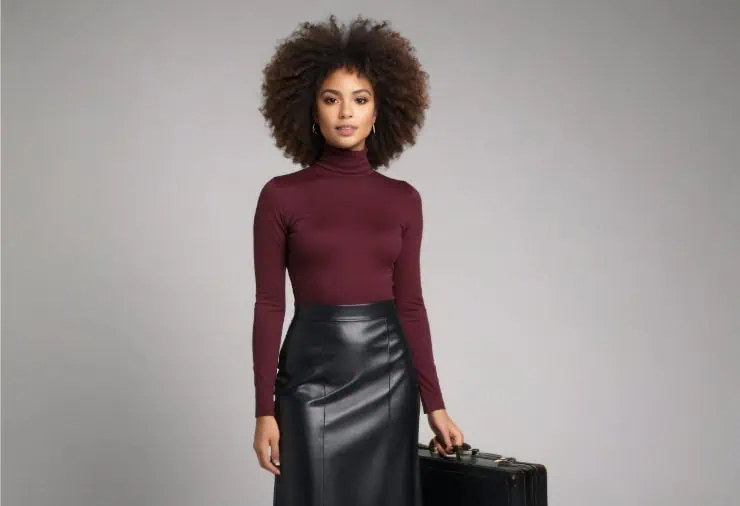
This rule no longer applies in a world where lifestyles are fluid. Younger stylists see polish as a result of intention, not formality. Jeans, sneakers, knits, and relaxed trousers can look refined when fit, fabric, and styling are considered. The line between casual and dressy has blurred significantly. Polished outfits today often combine relaxed and structured elements. Dismissing casual pieces as inherently sloppy feels disconnected from how people actually live and dress now.
5. Age Should Dictate What You Wear

Younger stylists strongly reject age-based style rules. They see style as a reflection of personality, not a number. Rules about sleeve length, skirt length, or color restrictions tied to age feel arbitrary and limiting. What matters now is how clothing fits, feels, and aligns with the wearer’s identity. When age becomes the main styling factor, individuality gets lost. Modern fashion encourages expression at every stage of life. Confidence, not age, is what makes clothing work.
6. Trends Should Be Avoided Entirely

While younger stylists don’t advocate chasing trends blindly, they also don’t believe trends should be ignored completely. Trends are seen as tools, not obligations. Incorporating one modern element a silhouette, color, or styling detail can refresh a wardrobe without overwhelming it. Avoiding all trends often results in outfits that feel frozen in time. The modern approach is selective engagement: choosing what resonates and leaving the rest behind.
7. You Must Always Look “Put Together”

The idea that every outfit must appear perfectly styled feels unrealistic to younger stylists. Modern style allows room for softness, ease, and imperfection. Overly polished outfits can feel stiff and disconnected from real life. Younger generations value authenticity over perfection. Looking comfortable, confident, and present often reads as more stylish than appearing flawless. Style today adapts to life rather than performing for it.
8. More Effort Equals Better Style

One of the biggest outdated beliefs is that visible effort equals good style. Younger stylists know that effortlessness often comes from restraint. Over styling, excessive accessories, and layered trends can make outfits feel forced. The most stylish looks are often simple, balanced, and edited. Effort should exist behind the scenes, not on display. When outfits feel calm and intentional, they communicate confidence. Less truly does more in modern styling.