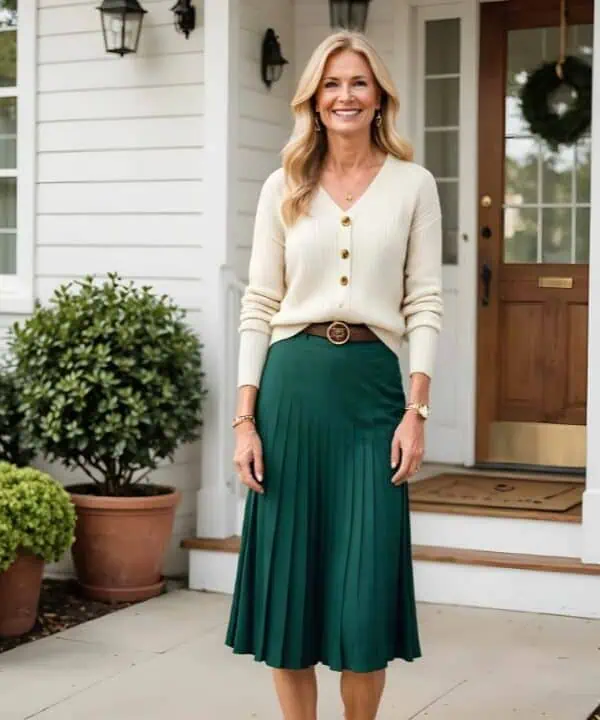
Sometimes, it’s not the clothes themselves but the tiny styling missteps that make an outfit look “off.” You might have chosen the perfect dress, the right shoes, and a great bag, but if certain details are overlooked, your overall look can lose its polish. These mistakes are often so subtle that you don’t notice them—yet they can shift the impression you make. From accessories that overpower your outfit to the wrong hem length, let’s go through 10 quiet style mistakes and how to correct them for a flawless finish.
1. Wearing Clothes That Are Almost the Right Fit

A garment that’s just slightly too tight or too loose may seem “good enough,” but it can quietly disrupt your entire look. A blazer that pulls at the buttons, pants that bunch around the hips, or sleeves that are an inch too long all create an unfinished effect. The human eye naturally picks up on proportion and symmetry, so ill-fitting clothing can make even expensive pieces appear cheap. Tailoring is key here. A small investment in adjustments can turn “almost right” into “perfectly polished,” ensuring your clothes skim your body in the most flattering way without restricting movement.
2. Overmatching Accessories

It’s tempting to match your shoes, bag, and belt perfectly, but too much coordination can look outdated or forced. Fashion today embraces a more relaxed approach—think complementary colors and textures rather than identical matches. For example, instead of pairing a red bag with red shoes, try mixing a red bag with tan loafers or leopard-print flats. This adds depth and visual interest to your outfit while still feeling intentional. If you’re unsure, stick to one standout accessory and keep the rest neutral. Overmatching can feel overly “planned,” while coordinated variety makes your style look effortless and modern.
3. Neglecting the Hemline
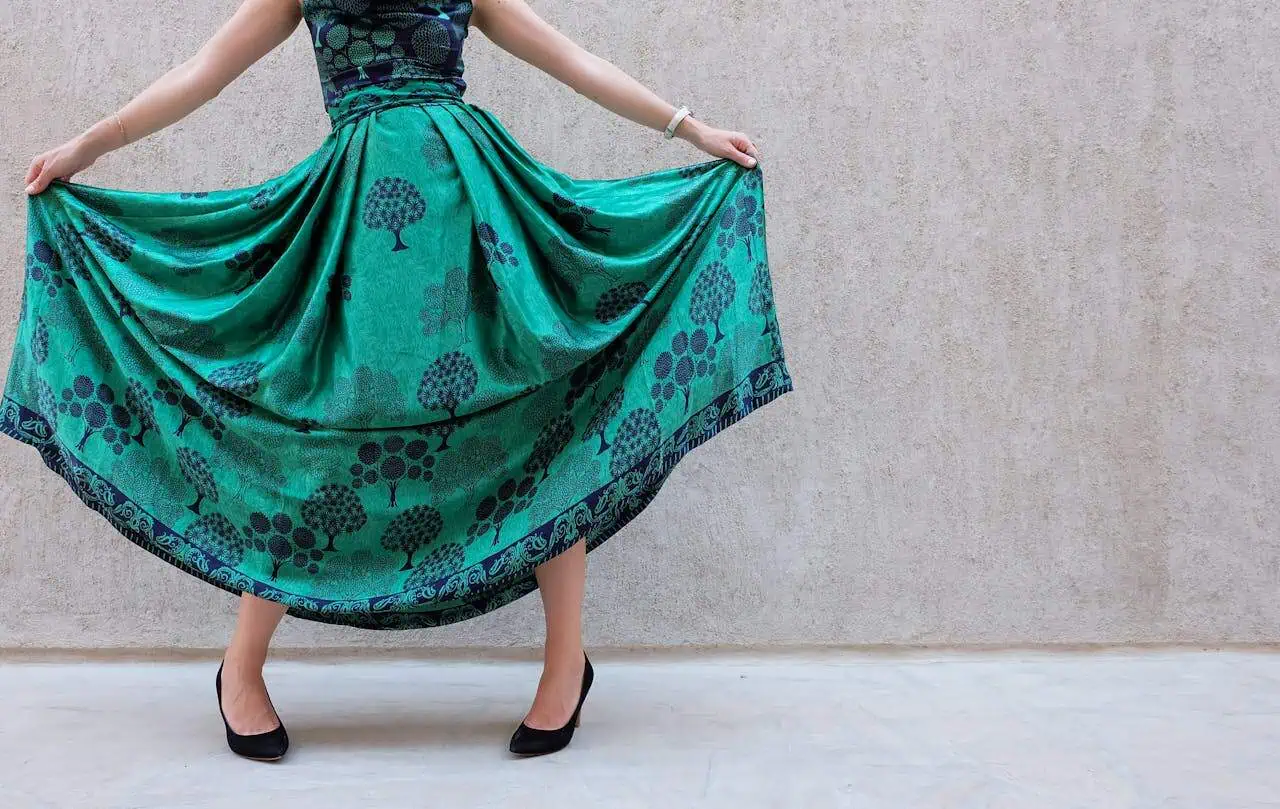
Hems that are too short, too long, or cut at an unflattering point can throw off your proportions completely. For trousers, the break should complement your shoes without puddling or appearing cropped unintentionally. Skirts and dresses should hit at a point that flatters your leg line—often just above or below the knee for most women. Even a beautiful, well-fitted piece can look awkward if the hemline isn’t right. Always check your outfit in full view, shoes included, before stepping out. If needed, visit a tailor; adjusting the hem is one of the simplest ways to elevate your entire look.
4. Ignoring Fabric Quality in Basics

Basics like t-shirts, button-down shirts, and simple knits might seem low priority, but cheap fabrics can betray your style instantly. Thin, see-through materials, pilling sweaters, or stiff synthetics make an outfit feel less refined, even if paired with designer pieces. Opt for good-quality cotton, silk blends, or soft knits that hold their shape. While you don’t need to spend a fortune, investing in well-made basics means they’ll drape better, last longer, and keep your overall look elevated. When the foundation of your outfit is strong, everything layered on top naturally looks more put-together.
5. Letting Accessories Compete with Your Outfit
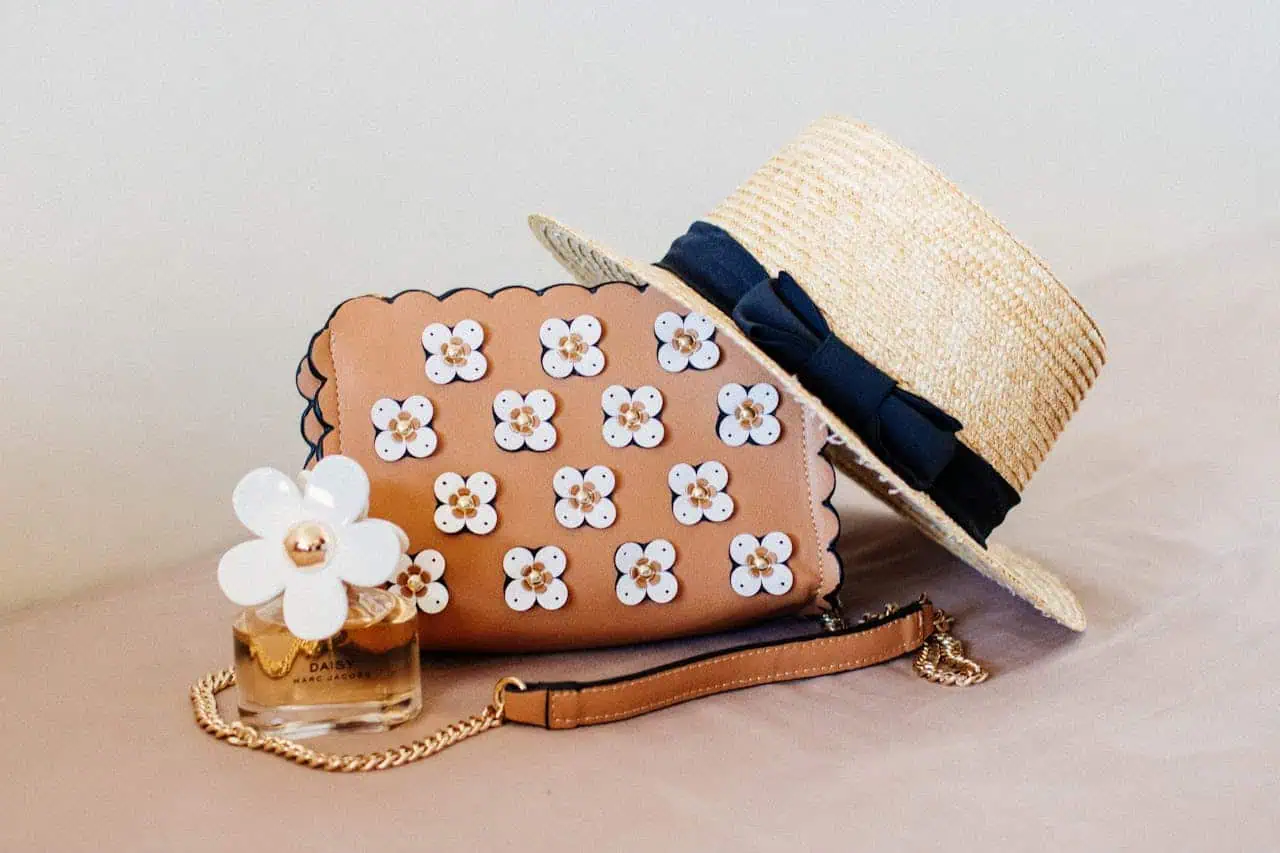
Statement necklaces, bold earrings, and patterned scarves can elevate a simple outfit—but wearing them all together can overwhelm the eye. Accessories should enhance, not compete with, your clothes. If you’re wearing a detailed blouse with ruffles or embroidery, opt for minimal jewelry. Conversely, if your outfit is clean and simple, that’s the moment for a standout necklace or patterned scarf. Think of accessories as the punctuation marks of your outfit—they should emphasize the message, not drown it out. Editing is key; sometimes, removing one accessory can instantly make your outfit look more refined and balanced.
6. Forgetting About Shoes in the Overall Look
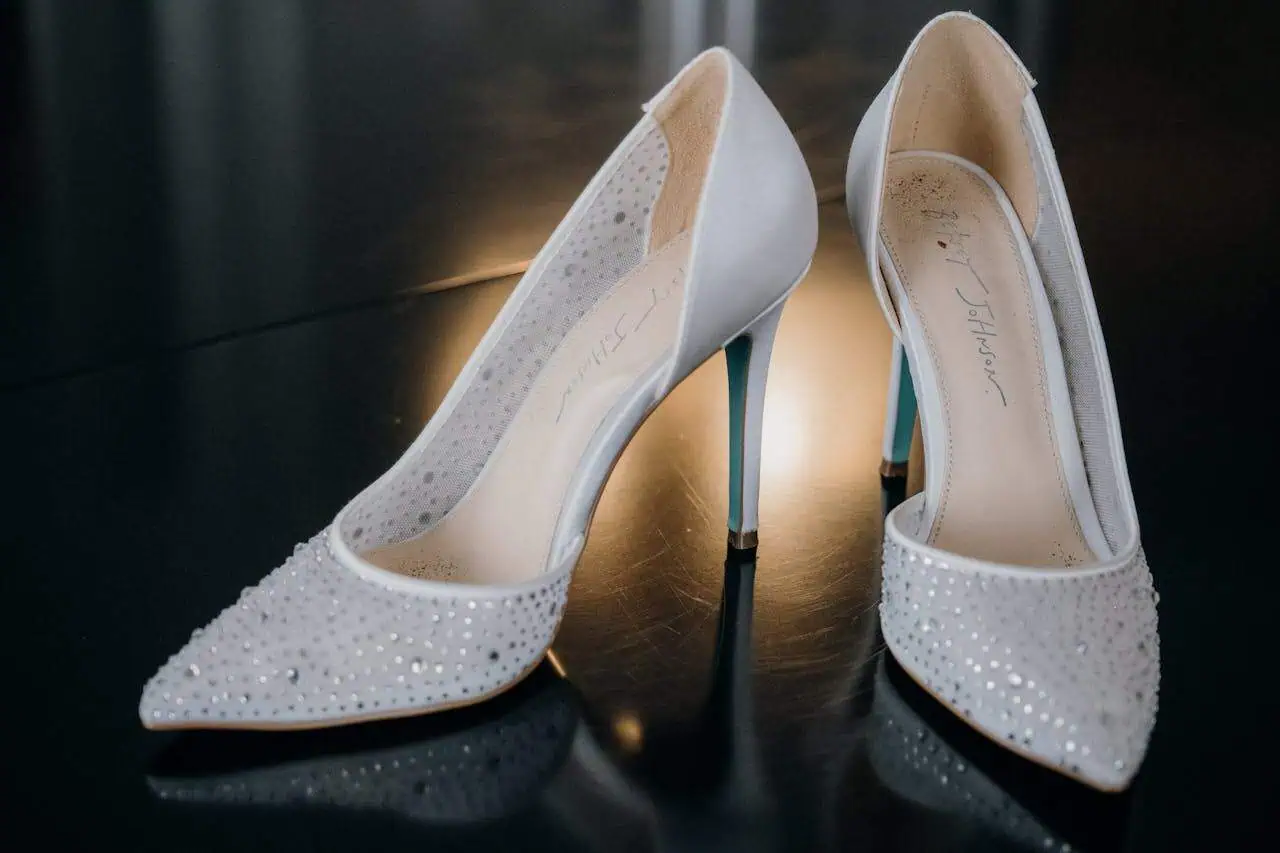
Many people treat shoes as an afterthought, but they can completely make or break an outfit. Outdated styles, overly worn soles, or mismatched tones can drag down an otherwise elegant look. The right shoe style elongates your legs, complements your clothing’s mood, and feels cohesive with the rest of your outfit. For example, pairing delicate dresses with overly chunky sneakers can look jarring unless styled intentionally. Keep your shoes clean, in good repair, and in harmony with your outfit’s level of formality. When in doubt, a classic, well-maintained pair in a neutral tone will rarely steer you wrong.
7. Overusing Black as a “Safe” Choice

Black is timeless and slimming, but relying on it too heavily can make outfits feel flat or predictable—especially if every piece is the same shade and texture. Mixing in other neutrals like navy, camel, or charcoal, or adding pops of color through accessories, can instantly lift your look. Even within an all-black outfit, vary the textures—think silk with leather, or knit with satin—to create depth. While black can be chic, fashion confidence also comes from experimenting with tones and combinations that highlight your features and keep your style feeling fresh.
8. Wearing the Wrong Undergarments
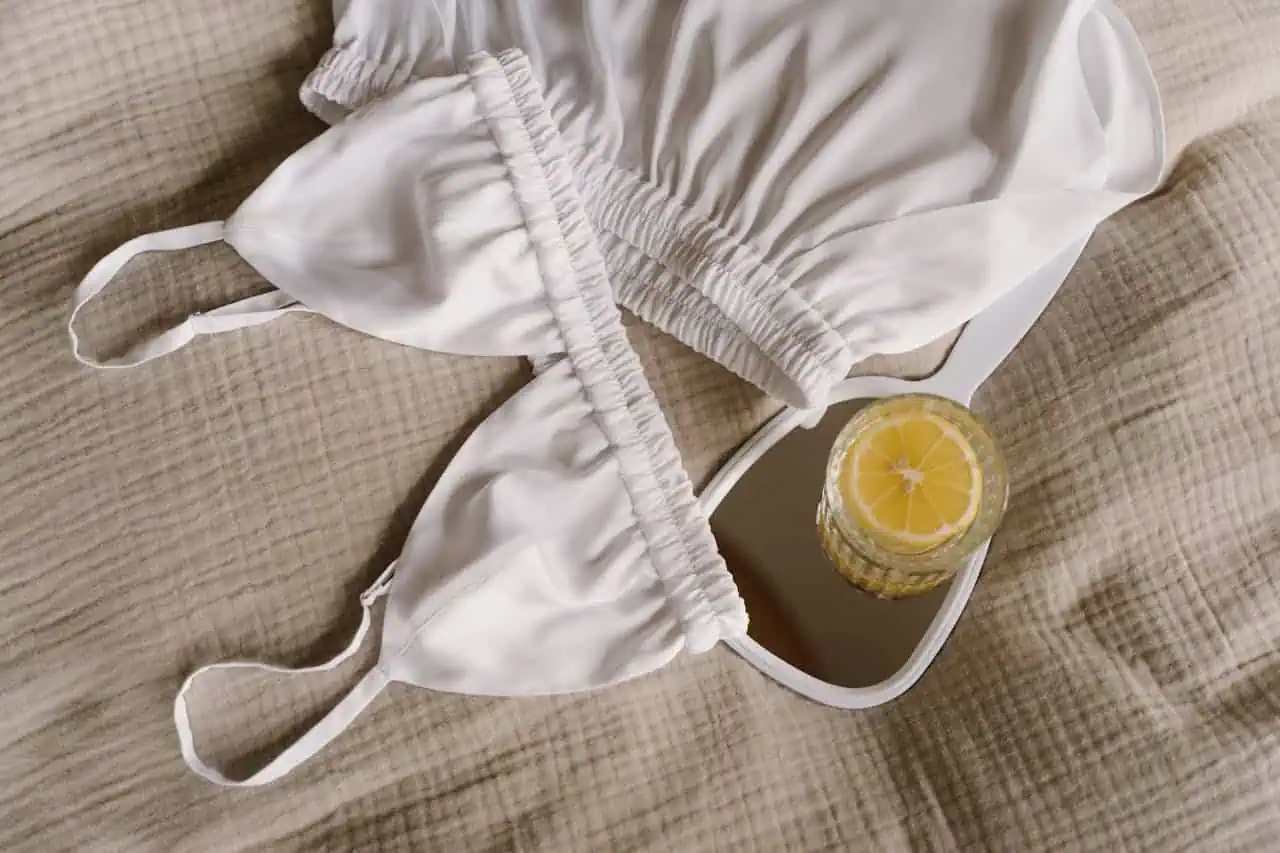
The most stunning dress can lose its magic if worn over a visible bra line or underwear seam. Ill-fitting undergarments can also cause bulges or gaps that ruin your silhouette. Investing in the right lingerie—seamless panties, smooth t-shirt bras, or shapewear when needed—ensures your clothing falls smoothly. Always try on outfits with the undergarments you plan to wear, especially for special occasions. This step might seem invisible to others, but it’s one of the most powerful ways to instantly upgrade your look without changing a single visible piece of clothing.
9. Sticking to the Same Jewelry Every Day
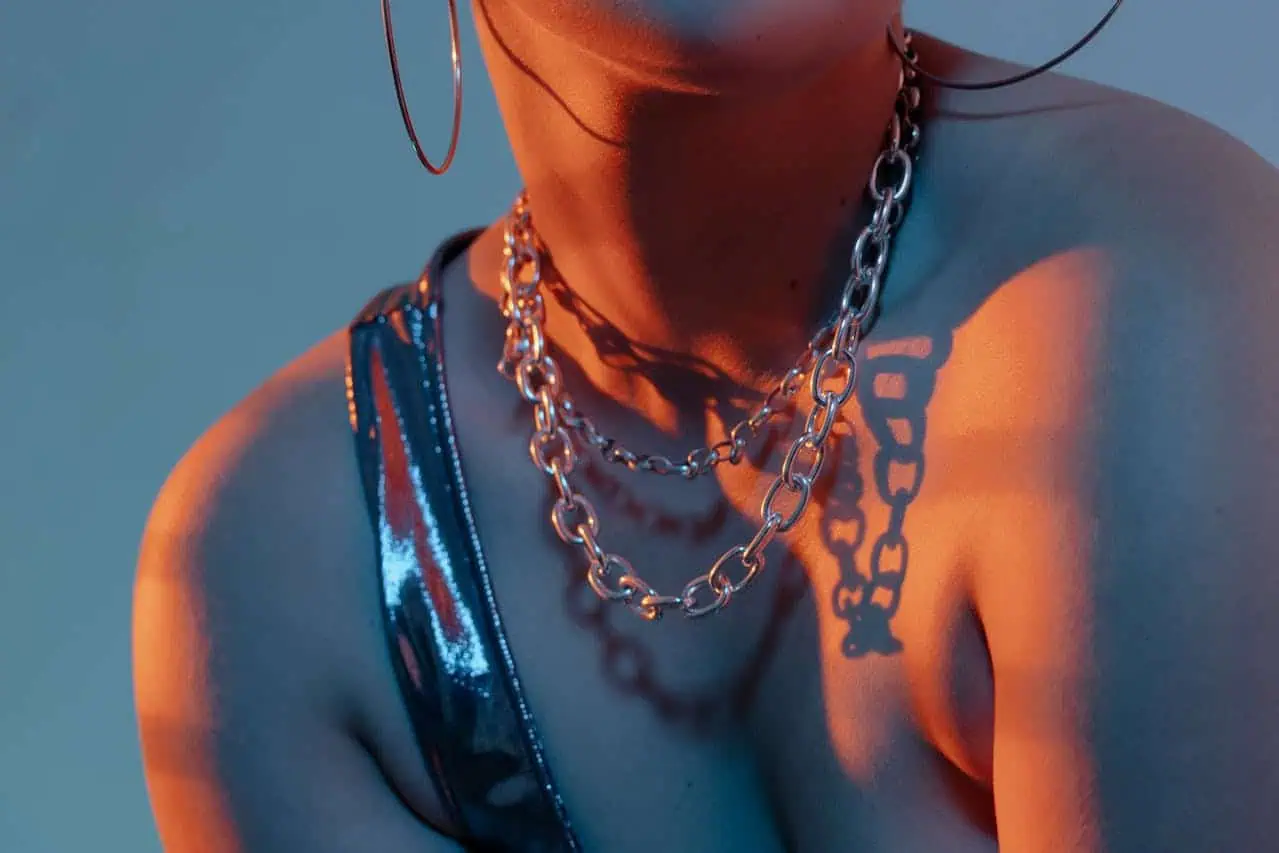
A favorite necklace or pair of earrings can feel comforting, but wearing the exact same pieces daily can unintentionally make your style feel stagnant. Jewelry is an easy way to shift an outfit’s mood—delicate studs can make a look feel understated, while bold hoops can add playfulness. Try rotating between a few go-to options to keep your look fresh. Even swapping one element, like changing from gold to silver, can make a noticeable difference. Think of jewelry as a small but powerful styling tool rather than a fixed part of your outfit.
10. Skipping the Final Outfit Check

You’ve chosen your clothes, done your makeup, and put on accessories—but skipping a quick head-to-toe mirror check is a missed opportunity. This final step allows you to catch small issues: a tucked-in shirt that’s slightly off, a collar sitting unevenly, a stray clothing tag, or makeup smudges on your top. Even adjusting posture and ensuring everything is sitting correctly can make a huge difference. Think of it as your style quality control—just 30 extra seconds can ensure your carefully chosen outfit looks just as great in real life as it did in your head.