Sunglasses are one of the most powerful face-framing accessories you own, yet they’re often chosen with function as the primary concern. While UV protection and comfort matter, overly sensible sunglasses can unintentionally emphasize age rather than style. Many practical frames are designed to disappear, flatten features, or avoid risk and that restraint can work against modern proportions. Gen Z and contemporary stylists view sunglasses as architecture for the face, not an afterthought. When frames are too cautious, too small, or too rigid, they disrupt balance and make facial structure appear heavier or more dated.
Table of Contents
1) Frames That Are Too Narrow Compress Your Features
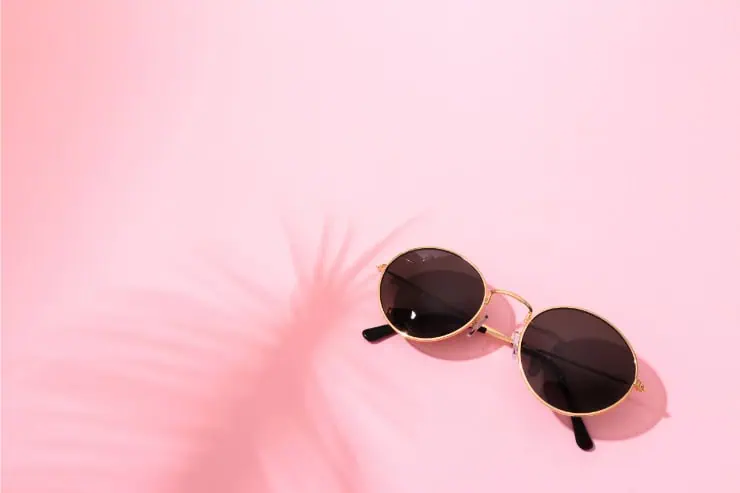
Narrow sunglasses were once considered refined and discreet, but on most adult faces they create compression rather than balance. When frames sit too close to the temples, they visually squeeze the face inward, making cheeks appear fuller and eyes closer together. This can exaggerate facial fullness and reduce openness, which subtly ages the face. Modern sunglasses favor width and presence, allowing features to breathe. Wider frames help lift the cheek area and balance jawlines without adding bulk. Sensible narrow frames often come from a desire to avoid drama, but the result is a closed-off, restrictive look that feels dated rather than elegant.
2) Thin Wire Frames Emphasize Softness Instead of Structure

Ultra-thin wire frames are frequently chosen because they feel lightweight and unobtrusive. However, they often lack the visual weight needed to support mature facial features. As faces naturally soften with time, thin frames can exaggerate that softness instead of counterbalancing it. This leads to a washed-out or undefined appearance. Structured frames, even in neutral colors, provide contrast that sharpens cheekbones and jawlines. Sensible wire frames tend to disappear rather than define, which can make the face look less intentional. Modern style favors subtle structure over invisibility.
3) Outdated Shapes Freeze Your Face in a Past Era

Certain sunglass shapes are strongly tied to specific decades. Oval wrap styles, small rectangular frames, or overly curved silhouettes often signal a refusal to evolve rather than loyalty to comfort. When sunglasses remain stuck in a past era, they visually timestamp the entire outfit. This doesn’t mean trends must be followed, but proportions must be acknowledged. Contemporary frames update classics through scale, lens height, or angle. Sensible sunglasses often skip these updates, freezing the face in time and making even modern clothing feel dated by association.
4) Frames That Sit Too Low Pull the Face Downward

Low-sitting sunglasses are often chosen for comfort or habit, but they create a downward drag on the face. When frames rest too low on the nose, they visually shorten the mid-face and emphasize under-eye shadows. This placement disrupts facial balance and can make the eyes appear tired or heavy. Modern sunglasses are designed to sit slightly higher, lifting the face and drawing attention upward. Sensible frames often prioritize stability over proportion, but the trade-off is a face shape that appears pulled down rather than supported.
5) Matte, Flat Finishes Remove Dimension From the Face
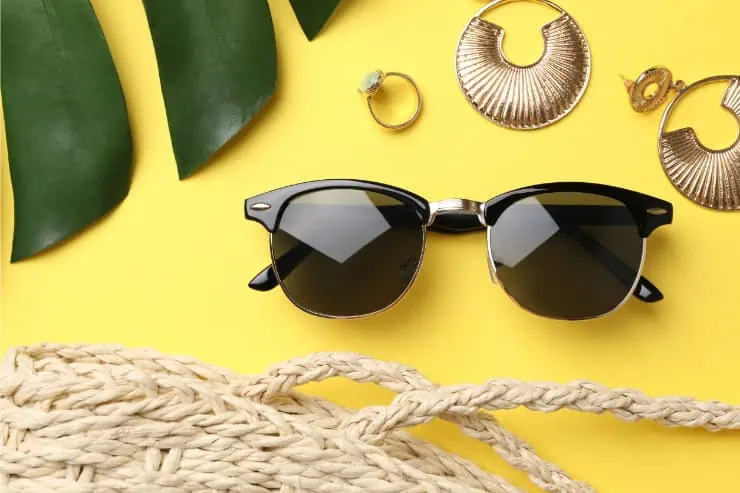
Matte black, flat brown, or dull neutral frames are often labeled as practical and timeless. However, these finishes absorb light instead of reflecting it, which can make the face look heavier and less dynamic. Subtle sheen, transparency, or tonal variation adds dimension without appearing flashy. Flat finishes paired with conservative shapes remove visual interest and warmth. As skin changes with age, light-reflecting elements become more important. Sensible frames often avoid these details, resulting in a face that looks flatter and more fatigued.
6) Perfectly “Neutral” Frames Erase Contrast
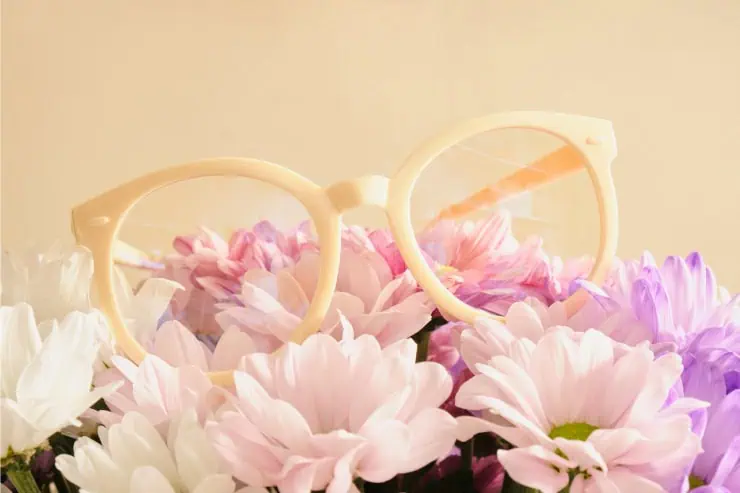
Frames that match skin tone too closely are often chosen to be safe and unobtrusive. Unfortunately, this lack of contrast can make facial features blur together. Contrast is essential for defining eyes, cheekbones, and bone structure. When sunglasses blend in too much, they remove focal points instead of creating them. Modern styling uses contrast intentionally, even in subtle ways. Sensible sunglasses often aim to disappear, but disappearance doesn’t equal elegance. A small amount of contrast can dramatically refresh the face.
7) Choosing Function Alone Ignores Face Architecture
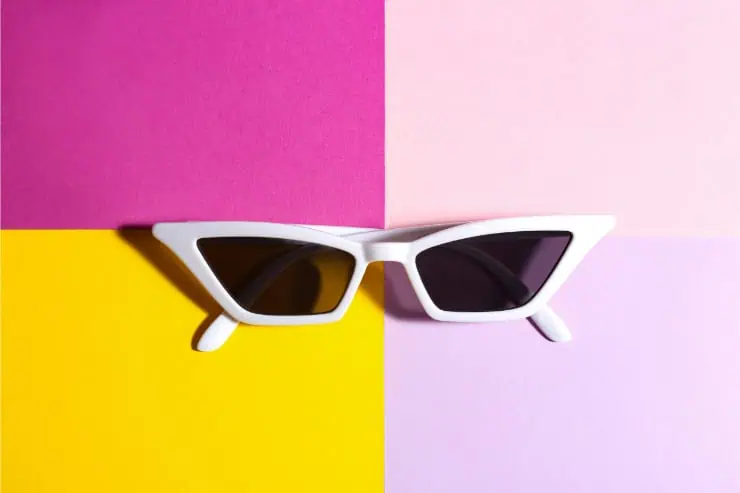
The biggest issue with sensible sunglasses is choosing them based solely on function. While protection and comfort matter, ignoring face architecture leads to imbalance. Sunglasses should echo or gently counter facial angles, not fight them. When frames are chosen without regard to proportion, scale, or placement, they work against natural structure. Modern sunglasses are designed with face shapes in mind, offering lift, balance, and presence. Sensible choices often skip this consideration, aging the face by default. Updating sunglasses isn’t about trendiness it’s about respecting facial design.