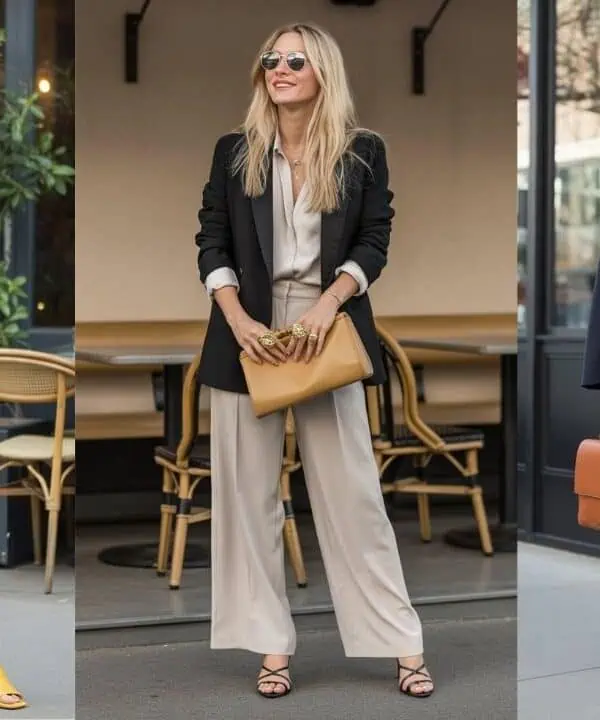
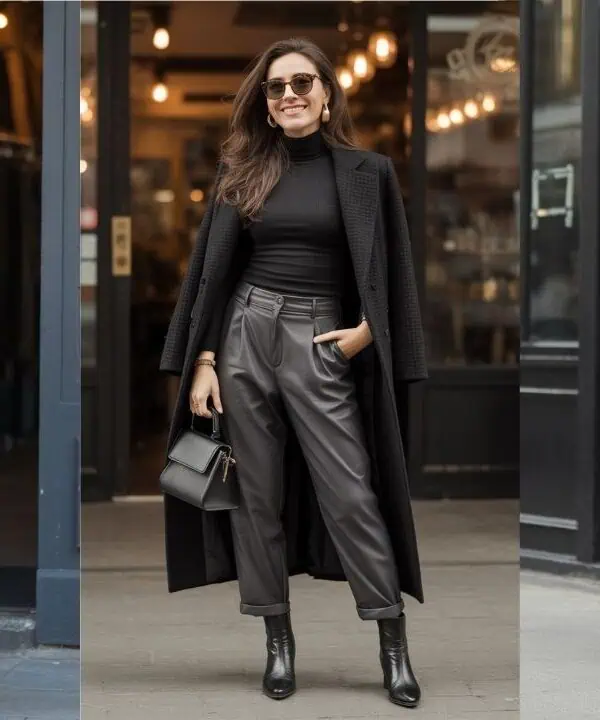
Gen Z’s influence on fashion isn’t about enforcing new rules it’s about removing old ones. Raised on experimentation, individuality, and fluid identity, Gen Z treats clothing as communication rather than compliance. What they’ve “canceled” isn’t age, body type, or personal taste, but habits that signal fear of expression, obsession with perfection, or refusal to evolve. In 2026, style isn’t measured by how closely you follow trends, but by how intentional and self-aware your choices feel. These dressing habits stand out to Gen Z not because they’re unfashionable, but because they reflect a mindset that feels out of step with the present.
Table of Contents
1) Dressing Only to Look Smaller or Thinner
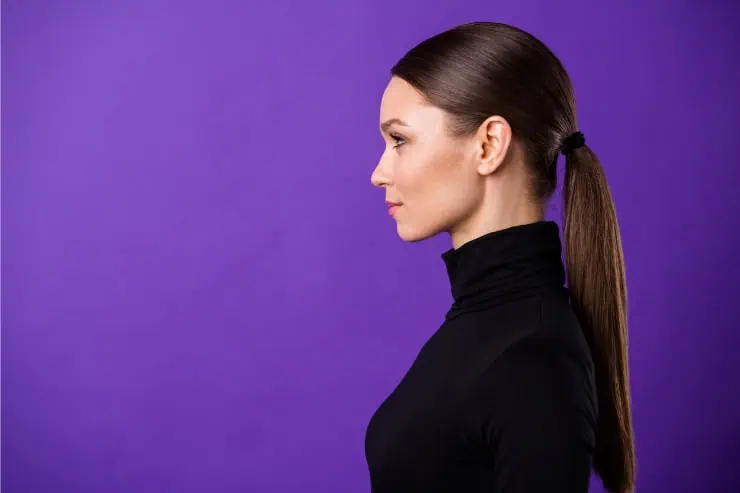
Gen Z rejects the idea that clothing exists to minimize the body. Dressing solely to look thinner signals insecurity rather than confidence. Outfits built entirely around concealment often appear stiff, overly strategic, and disconnected from movement. Younger generations prioritize comfort, flow, and authenticity over optical illusion. Clothes don’t need to erase the body to be stylish they need to support it. When dressing becomes an exercise in hiding, it reads as fear-based rather than expressive. Gen Z favors silhouettes that allow space, ease, and personal interpretation, canceling the idea that shrinking yourself is the goal.
2) Treating “Flattering Rules” as Absolute Laws

Rules like “never wear horizontal stripes” or “dark colors are slimming” are officially obsolete. Gen Z views these so called rules as optional suggestions at best, outdated constraints at worst. Treating them as non negotiable creates rigid, repetitive wardrobes that lack personality. Bodies vary, style evolves, and context matters. Younger generations see experimentation as essential, not risky. When outfits follow decades-old advice without question, they feel disconnected from modern aesthetics. Gen Z has canceled blind obedience to flattering rules in favor of personal choice and adaptability.
3) Overly Polished, Perfectly Controlled Outfits
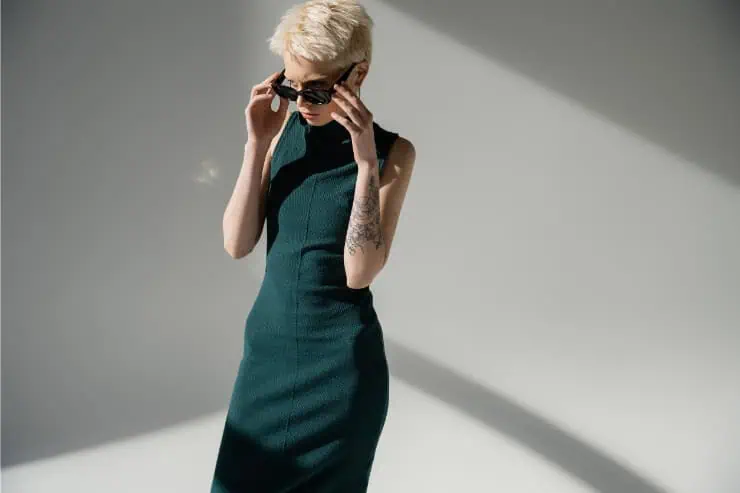
Immaculate, tightly controlled outfits once signaled sophistication. Now, they often read as tense and outdated. Gen Z values ease, movement, and lived-in texture. Slight imperfection a relaxed fit, visible layering, or mixed textures feels intentional and modern. Overly polished looks suggest fear of deviation or a need for approval. Younger generations prefer outfits that feel human rather than staged. When everything is too perfect, it can feel emotionally distant. Gen Z has canceled the idea that polish must mean precision.
4) Matching Everything Exactly
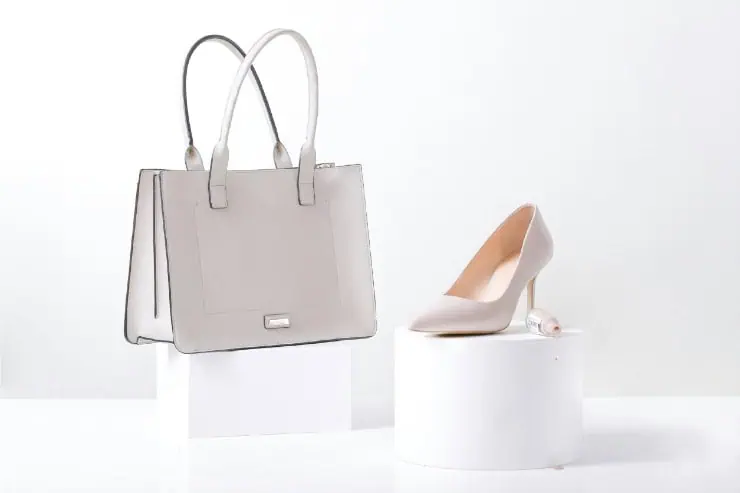
Perfectly matching shoes, bags, belts, and accessories used to indicate refinement. Today, Gen Z reads it as unimaginative and overly cautious. Modern outfits rely on cohesion rather than coordination. Mixing tones, textures, and styles shows confidence and creativity. When everything matches exactly, it suggests fear of standing out or making mistakes. Younger generations see contrast as a sign of self-awareness, not sloppiness. This habit has been canceled in favor of thoughtful mismatch.
5) Wearing Outdated Silhouettes Without Question
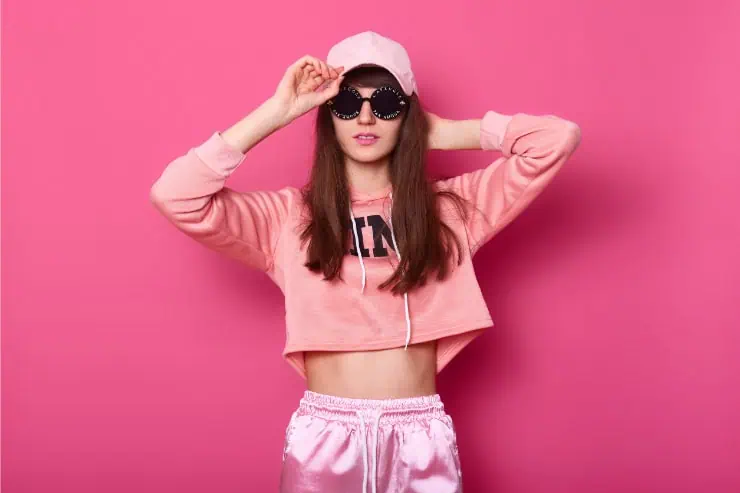
Gen Z notices proportions immediately. When silhouettes remain frozen in a specific era ultra-skinny jeans, overly long tops, or rigid tailoring it signals disengagement rather than loyalty to classics. Even timeless pieces evolve subtly. Ignoring those shifts creates visual disconnect. Younger generations don’t expect trend-chasing, but they do expect awareness. Updating silhouette doesn’t require abandoning comfort or identity. Refusing to adjust at all reads as opting out of the present.
6) Treating Comfort and Style as Opposites

The idea that looking good requires discomfort is completely rejected by Gen Z. Comfort is a baseline expectation, not a compromise. Stiff fabrics, restrictive fits, and painful shoes are seen as unnecessary and outdated. Modern design prioritizes movement, softness, and wearability. When someone insists that discomfort equals elegance, it reads as outdated thinking. Gen Z has canceled suffering for style, favoring clothes that support real life.
7) Avoiding Color Out of Fear
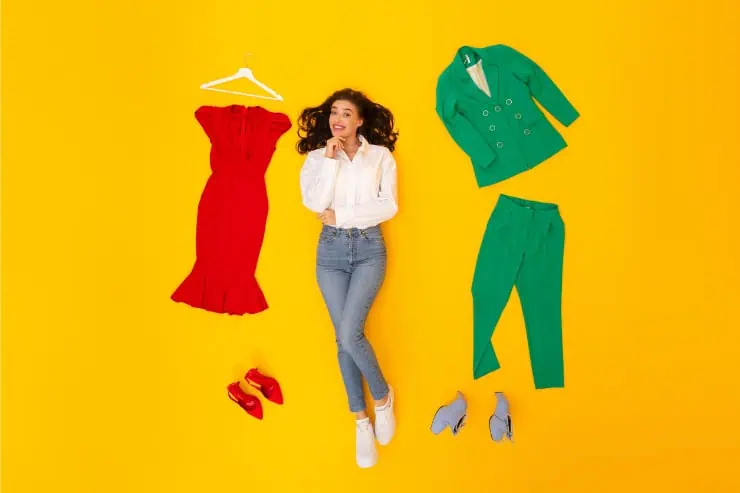
Fear-based color avoidance is another habit Gen Z has canceled. Color doesn’t have to be loud to be expressive. Muted tones, tonal dressing, and subtle contrasts still communicate personality. Avoiding color entirely removes warmth and emotional depth from outfits. Younger generations see color as a tool for mood and storytelling, not something to fear. When outfits stick rigidly to black, gray, or beige, they can feel emotionally flat. Gen Z encourages intentional color, not avoidance.
8) Dressing to Blend In Completely

Trying too hard to disappear is seen as disengagement, not humility. Gen Z values individuality and presence, even in subtle forms. Outfits designed to offend no one often excite no one. This doesn’t mean dressing loudly it means dressing with intention. When style is used to disappear, it communicates fear of visibility. Younger generations cancel this habit in favor of quiet confidence and authenticity.
9) Clinging to Clothes Because They Were Expensive

Gen Z places little value on sunk cost. Wearing something just because it was expensive doesn’t make it relevant or stylish. If a piece no longer fits your body, life, or taste, it drags the outfit down. Younger generations prioritize function, relevance, and alignment over price history. Letting go signals clarity and confidence. Clinging signals fear. This habit has been canceled in favor of thoughtful editing.
10) Believing Style Has an Expiration Date
The most significant habit Gen Z has canceled is the idea that style ends at a certain age or stage of life. Style is seen as lifelong, fluid, and evolving. When someone opts out entirely, it reads as resignation rather than maturity. Curiosity is what keeps style alive. Gen Z doesn’t expect constant reinvention, but they do value engagement. Believing it’s “too late” to care is officially canceled.