After 60, personal style isn’t about restriction it’s about precision. The body changes, lifestyle shifts, and visual balance becomes more important than trends. Stylists consistently note that many women don’t look “off” because of age, but because they continue relying on style habits that once worked but no longer align with modern proportions, fabrics, or silhouettes. These choices aren’t seasonal mistakes they appear year-round and quietly undermine polish, confidence, and presence. Understanding why certain style decisions stop flattering allows women to make smarter, more empowering choices without reinventing their wardrobe.
Table of Contents
1. Dressing Head to Toe in Shapeless Clothing

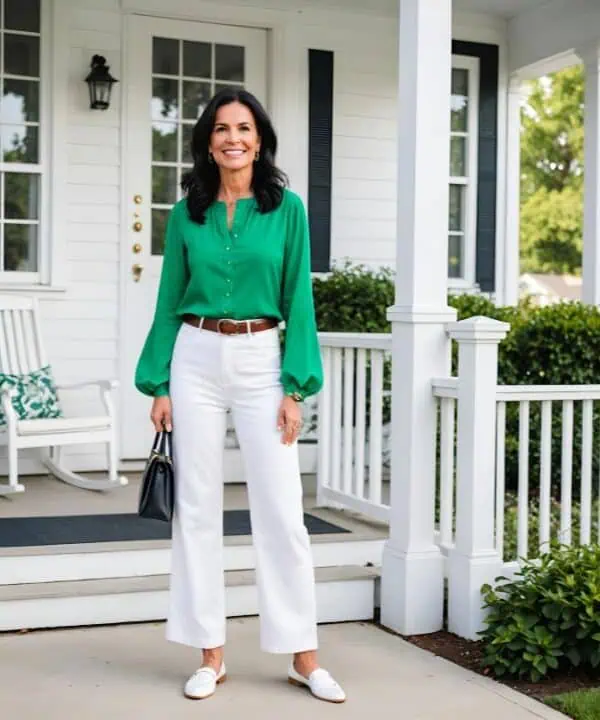
Shapeless clothing often feels like the safest option, especially when comfort becomes a priority. However, when everything is loose tops, bottoms, layers the body disappears entirely, creating visual heaviness rather than ease. Stylists emphasize that the human eye needs structure to understand proportion. Without it, outfits look collapsed and unfinished. After 60, shapeless dressing often reads as withdrawal rather than relaxation. Modern flattering style relies on balance: one relaxed piece paired with something structured. A soft knit works when anchored by tailored trousers. Wide pants need definition above. Shapeless outfits remove hierarchy, which makes even high-quality pieces look careless instead of intentional.
2. Refusing to Update Silhouettes

Many women stick to the same silhouettes they wore for decades because those shapes once worked beautifully. The issue isn’t loyalty it’s stagnation. Fashion silhouettes evolve slowly but meaningfully. Pants rise or straighten, jackets lengthen, shoulders soften. When silhouettes remain frozen in the past, outfits feel disconnected from the present. Stylists say this is one of the clearest signals of dated style. Updating silhouette doesn’t mean chasing trends. It means adjusting proportions slightly so clothes reflect modern balance. Even subtle shifts like a longer blazer or straighter pant can dramatically refresh appearance without sacrificing identity.
3. Wearing Low Quality or Collapsing Fabrics
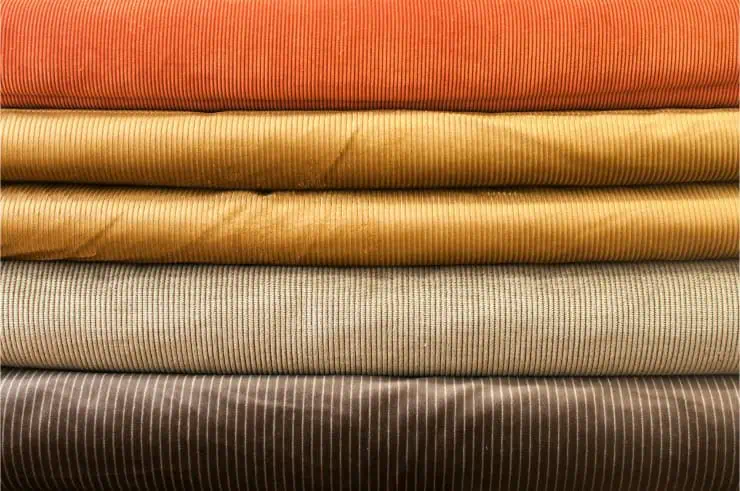
Fabric quality becomes more visible with age, not less. Thin jerseys, flimsy synthetics, and overly stretchy materials collapse on the body and emphasize every pull, fold, and wrinkle. Stylists consistently say fabric does half the work of good style. After 60, heavier, better-constructed fabrics skim rather than cling. Wool blends, structured cottons, linen, silk, and well-knit knits hold shape and elevate simple designs. Even inexpensive clothing looks refined when fabric has integrity. Poor fabric choices quietly undermine polish, regardless of how “safe” or classic the garment appears.
4. Wearing Busy Prints All Over
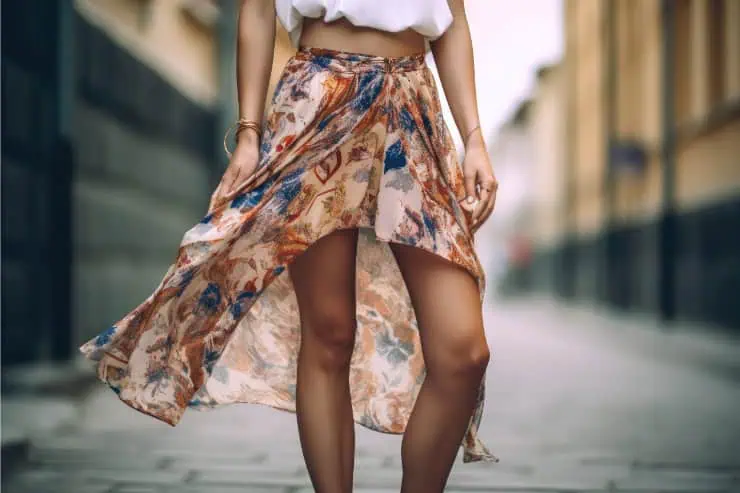
Prints attract attention but too much print overwhelms the eye. After 60, wearing busy patterns head-to-toe often obscures the wearer rather than enhancing her presence. Stylists explain that all-over prints remove visual rest points, making outfits feel noisy and unfocused. This is especially true with florals, abstract patterns, or high contrast designs. Modern flattering style uses prints strategically: one statement piece balanced by solids. This creates clarity and allows the woman not the pattern to lead visually. Prints should support confidence, not compete with it.
5. Defaulting to Dark Colors Only

Black, navy, and charcoal are often seen as slimming and elegant, but wearing them exclusively year-round can harden the face and drain warmth from the complexion. As skin tone and contrast soften with age, overly dark palettes can feel severe. Stylists encourage balance, not avoidance. Introducing lighter neutrals, soft whites, warm taupes, muted blues, or rich mid-tones restores dimension and vitality. Dark colors still work but they need contrast. Color isn’t about youthfulness; it’s about light. And light is flattering at every age.
6. Ignoring Fit in the Name of Comfort

Comfort and fit are not opposites, but many women treat them that way. Stylists frequently see garments that are too long, too wide, or poorly cut being worn simply because they feel easy. Unfortunately, poor fit communicates neglect rather than ease. After 60, tailoring becomes one of the most powerful style tools available. Hemmed pants, shaped jackets, adjusted sleeves small changes dramatically improve appearance. Fit shows intention and self-respect. Comfortable clothes that fit well elevate confidence; comfortable clothes that don’t quietly erode it.
7. Over Accessorizing Every Outfit
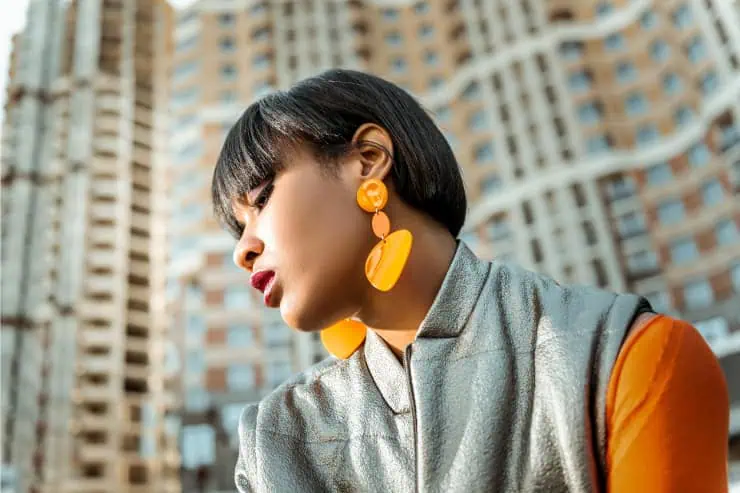
Accessories are meant to enhance, not rescue, an outfit. Stylists notice that some women layer scarves, necklaces, earrings, bracelets, and belts all at once in an effort to look “finished.” The result is visual clutter. After 60, restraint reads as confidence. One strong accessory or two subtle ones create far more impact than many competing elements. Over-accessorizing often signals uncertainty rather than style. Editing accessories allows outfits to breathe and keeps focus on the woman wearing them.
8. Wearing Shoes That Are Too Practical or Too Trendy
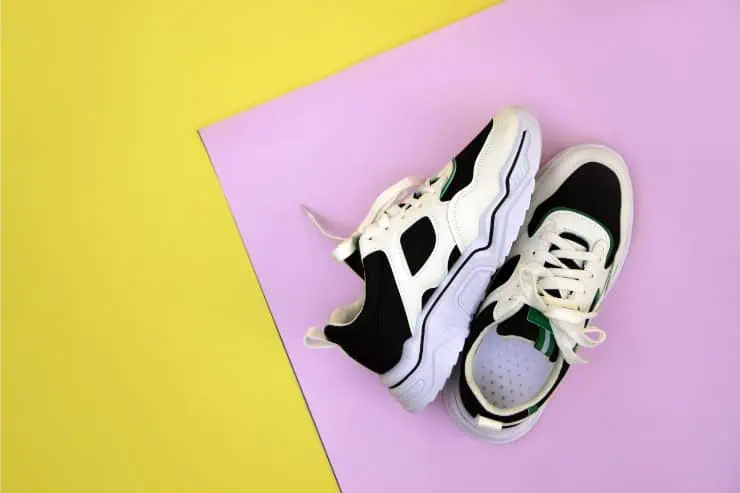
Shoes anchor an outfit visually, and they are often the first thing stylists notice. Overly practical shoes bulky orthopedic styles or aggressively trendy designs can throw off balance instantly. After 60, footwear should feel intentional, not apologetic or performative. Sleek loafers, refined sneakers, elegant boots, or modern flats support outfits without overpowering them. Shoes don’t need to be uncomfortable or boring but they must align with the overall look. The wrong shoes can undo an otherwise polished outfit.
9. Holding Onto Clothes From a Past Identity
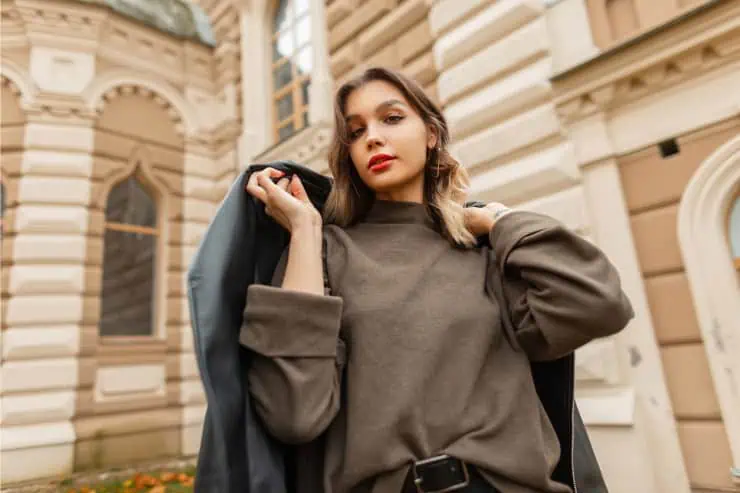
Many wardrobes are filled with clothes tied to former versions of life old jobs, old routines, old bodies. Stylists say this creates emotional and visual disconnect. Clothes should reflect who you are now, not who you used to be. Wearing outdated identity pieces often makes women look stuck rather than seasoned. Letting go isn’t about loss it’s about alignment. Style becomes more flattering when it supports present reality. Clothing should serve current confidence, not nostalgia.
10. Dressing Too “Perfect” All the Time
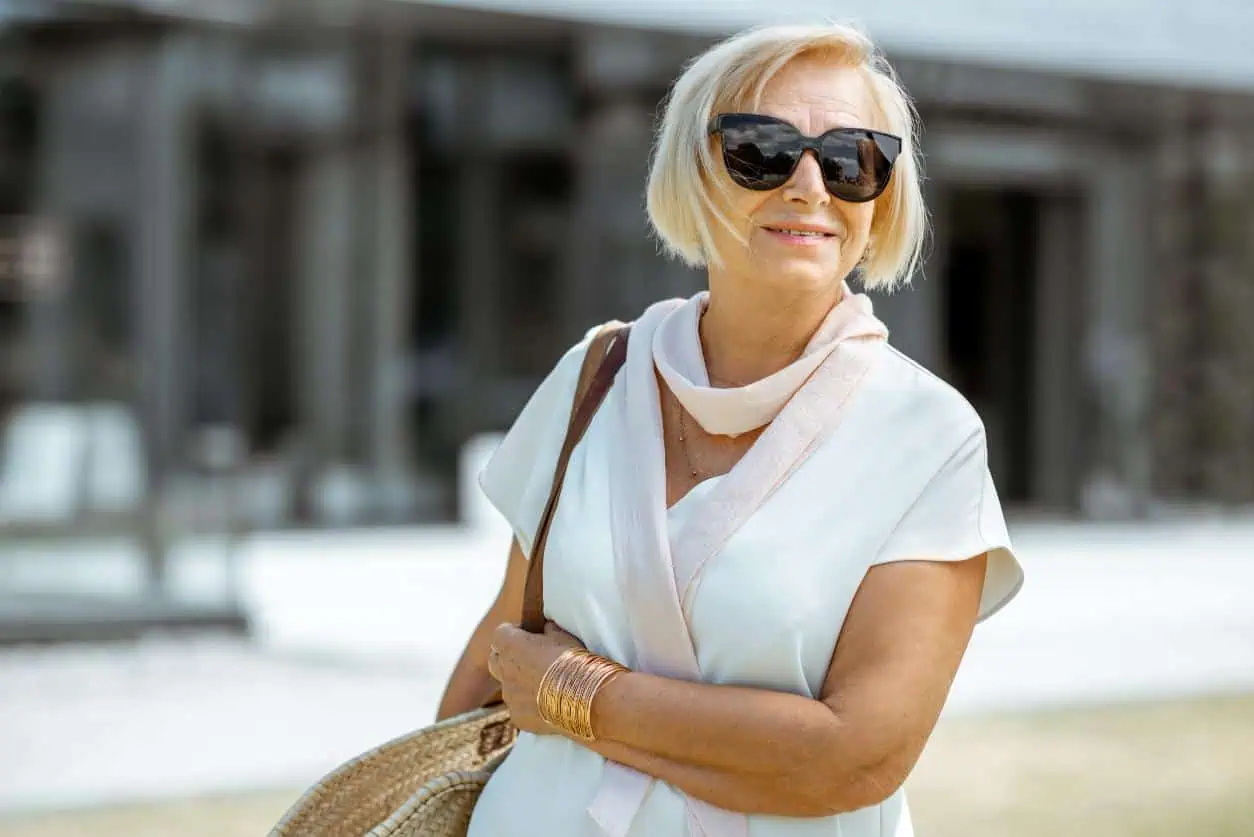
Overly polished, overly coordinated outfits can feel stiff and dated. Stylists note that modern style values ease and authenticity. When everything matches perfectly hair, makeup, clothes, accessories the result can feel controlled rather than confident. After 60, a bit of looseness reads as modern and self-assured. Contrast, texture, and subtle imperfection bring life to outfits. Style should look lived-in, not staged. Perfection often signals fear of getting it wrong, while ease signals confidence.
11. Wearing Clothes That Fight the Body
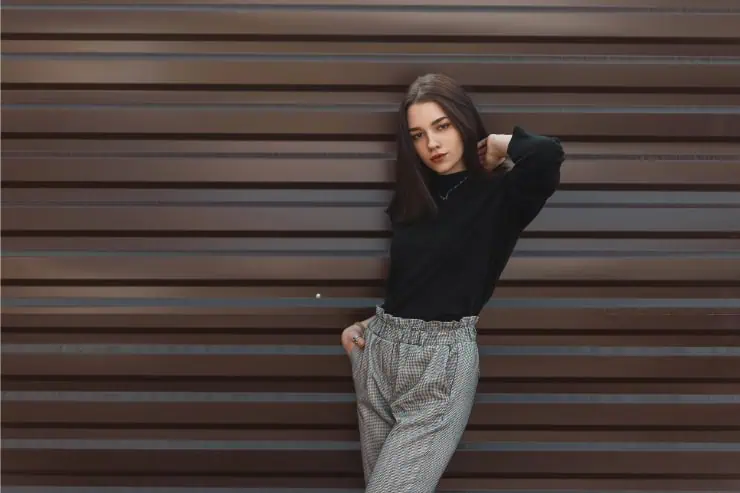
Bodies change with age, and that’s not a flaw it’s reality. The problem arises when clothing choices try to force the body into outdated ideals. Stylists emphasize dressing with the body rather than against it. Tight compression, excessive shaping, or constant hiding creates tension. Clothes should skim, support, and balance. When garments work in harmony with the body, posture improves, movement looks natural, and confidence follows. Resistance shows. Acceptance flatters.
12. Avoiding Evolution Altogether

The least flattering style choice after 60 is refusing to evolve. Stylists consistently say that women who look best remain curious, flexible, and open to adjustment. They don’t chase trends but they don’t fear change either. Style is a living language that responds to lifestyle, body, and cultural shifts. When it stops evolving, it stops serving the woman wearing it. Growth doesn’t mean abandoning identity; it means refining it. Evolution keeps style relevant, expressive, and aligned with confidence at every stage of life.