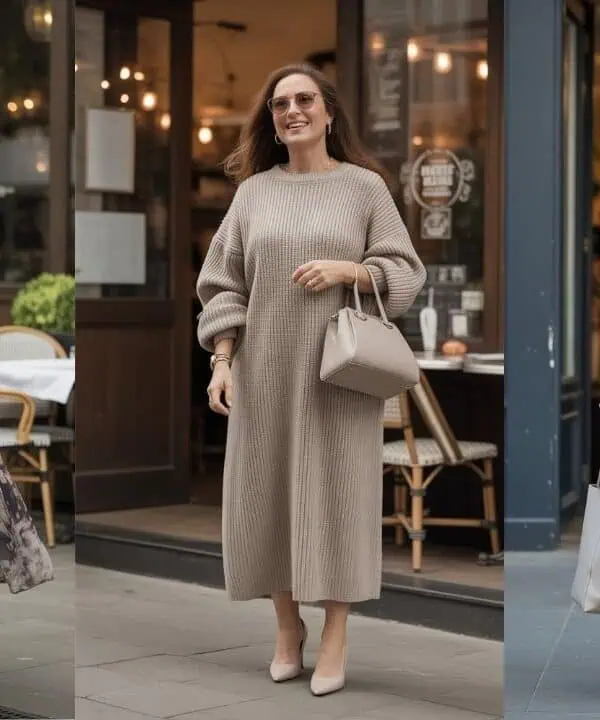
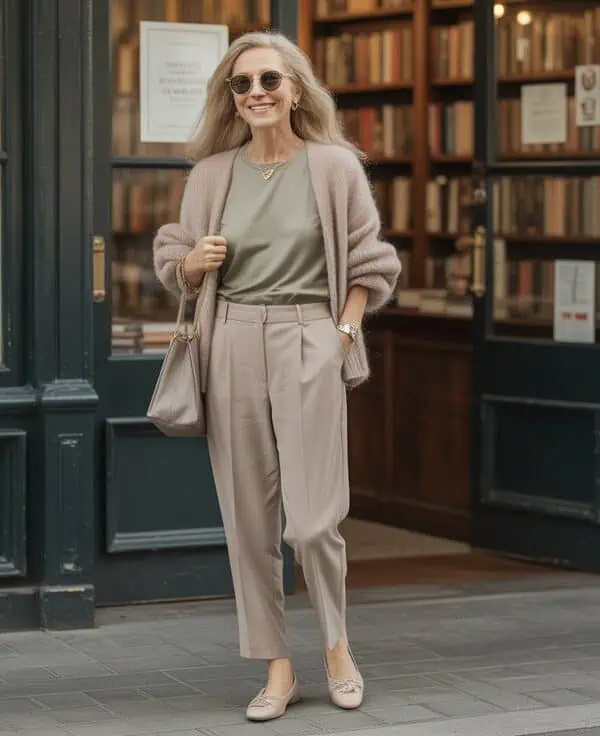
Great outfits are rarely about bold statements or expensive pieces. More often, they succeed because of small, thoughtful details that work together seamlessly. These details influence proportion, balance, comfort, and confidence in ways that aren’t always obvious but are immediately felt. Women who consistently look put together tend to focus less on trends and more on refinement. They understand that small adjustments how a sleeve sits, where a hem hits, or how accessories are chosen can dramatically change the overall impression. Paying attention to these details doesn’t complicate dressing; it simplifies it. When details are right, outfits feel intentional, wearable, and complete.
Table of Contents
1. Where Your Hemlines Hit
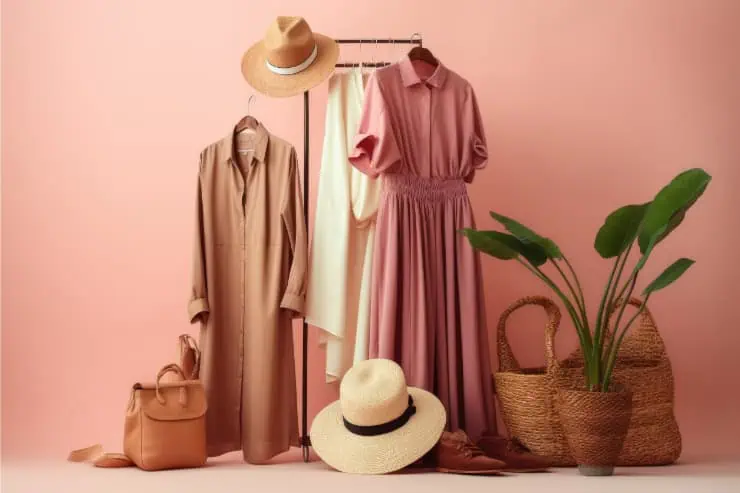
Hem length has a powerful impact on how an outfit reads. Pants that are slightly too long can look sloppy, while hems that hit at awkward points can disrupt proportion. The same is true for skirts and jackets. When hemlines land intentionally at the ankle, knee, or hip they create clean visual lines. Women often underestimate how much hemming can improve an outfit. A small adjustment can make clothing look custom rather than off-the-rack. Proper hems also improve movement and posture. When clothes fall correctly, the body moves more naturally, and confidence increases without any additional styling effort.
2. Sleeve Length and Width

Sleeves frame the upper body and draw attention to the hands and face. Sleeves that are too long, too tight, or overly wide can make an outfit feel unbalanced. When sleeve length is intentional ending at the wrist, forearm, or elbow it feels polished. Slightly cropped or pushed up sleeves often create a lighter, more modern look. Sleeve width matters too; overly tight sleeves restrict movement, while overly loose ones can overwhelm the silhouette. Adjusting sleeves is a small change with a big payoff. It improves comfort, proportion, and overall refinement instantly.
3. Fabric Condition and Texture
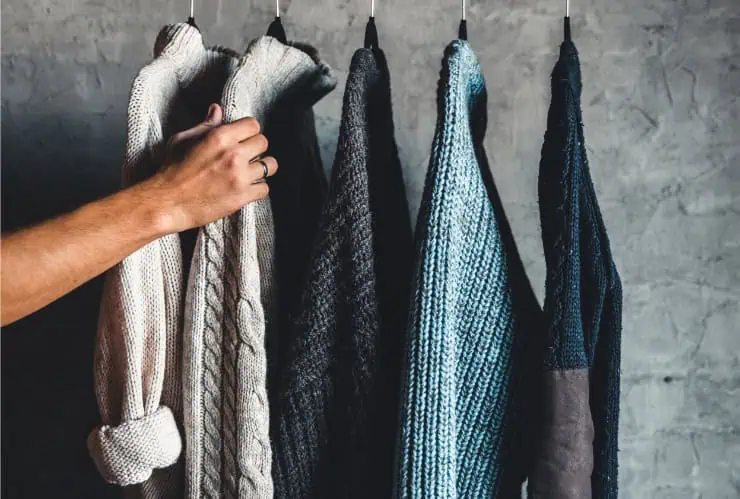
Even the best outfit can be undermined by tired fabric. Wrinkles, pilling, shine, or thinning areas quietly cheapen a look. Texture also plays a role mixing smooth and soft fabrics adds depth and interest. Women who look consistently polished pay close attention to fabric condition. They steam garments, replace worn basics, and choose materials that drape well. Texture creates quiet sophistication when used intentionally. This detail often matters more than color or cut. Well-maintained fabrics elevate simple outfits and signal care, awareness, and confidence.
4. Shoe Shape and Weight
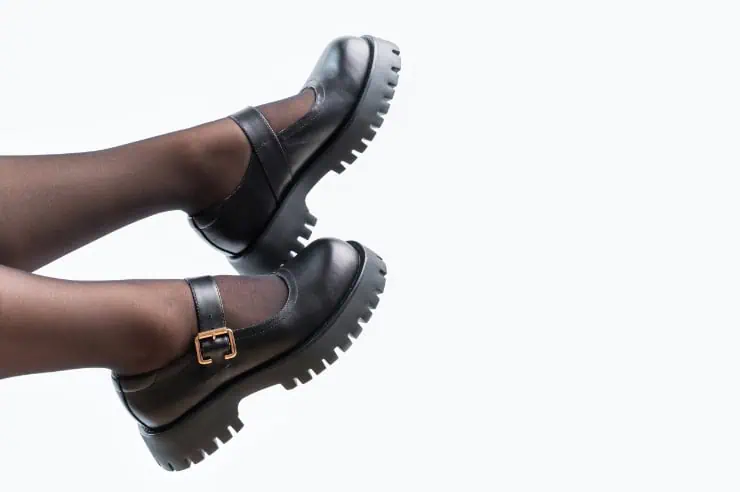
Shoes anchor an outfit, and their shape and weight influence the entire look. Heavy shoes with delicate outfits can feel unbalanced, while overly dainty shoes with structured clothing can feel disconnected. The shape of the toe rounded, almond, pointed also changes the tone. Shoes don’t need to be heels to look polished, but they do need to feel intentional. Clean lines, good condition, and appropriate weight make a noticeable difference. Women often feel more confident the moment the right shoes are on. This detail quietly sets the outfit’s foundation.
5. Bag Size and Structure
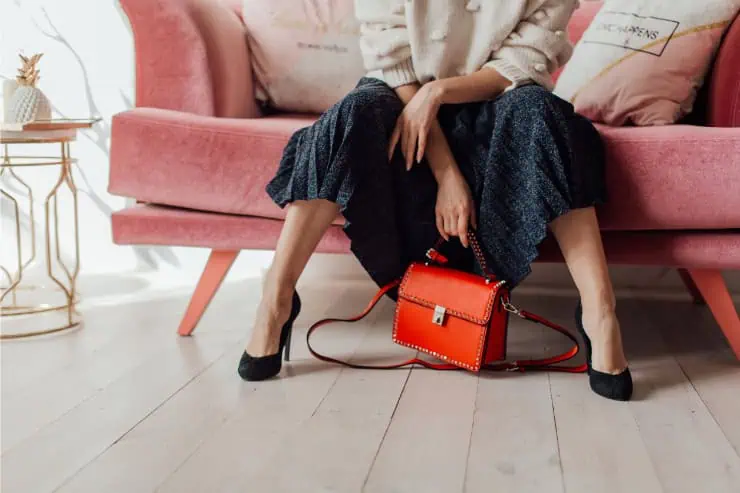
Bags are more than functional they’re visual signals. An oversized bag can overwhelm a streamlined outfit, while a bag that’s too small may feel impractical or out of place. Structure matters as much as size. A well shaped bag adds polish, even to casual clothing. Slouchy or worn bags can undo an otherwise refined look. Women who pay attention to this detail often look more put together without trying harder. The right bag complements the outfit’s scale and purpose, reinforcing balance and intention.
6. Necklines and How They Frame the Face
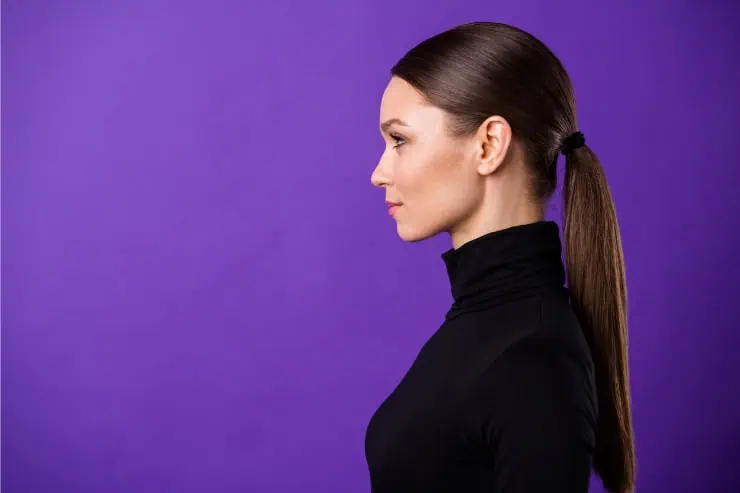
Necklines influence how light reflects onto the face and how layers feel. A neckline that sits too high can feel heavy, while one that’s too low may feel distracting. Thoughtful necklines such as soft v necks, open collars, or gentle scoops create breathing room and draw attention upward. This detail becomes especially important with layering. When necklines are chosen intentionally, outfits feel lighter and more flattering. Women often notice they feel more confident when their neckline feels right, even if they can’t explain why. It’s a subtle but powerful detail.
7. Where You Add Structure
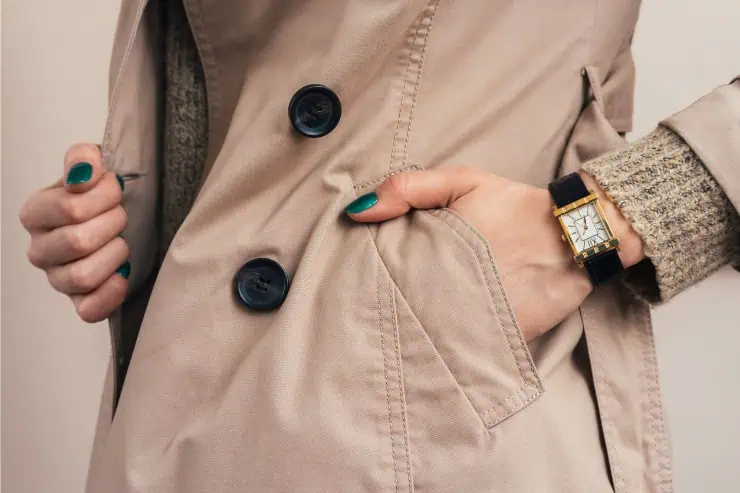
Structure doesn’t need to be everywhere just somewhere. One structured element, such as a blazer, waistband, or shoe, can anchor an entire outfit. Without structure, clothing can look shapeless or unfinished. Women who dress well understand where to add definition and where to allow softness. This balance creates clarity and ease. The small decision of adding a structured layer or accessory can transform relaxed clothing into something intentional. Structure provides confidence, presence, and polish with minimal effort.
8. Color Placement, Not Just Color Choice

Color matters, but placement matters more. Wearing a flattering color near the face can brighten the complexion, while darker tones can ground the outfit elsewhere. Poor color placement can make skin look dull or outfits feel heavy. Women who dress intentionally think about where color sits on the body. Even neutral outfits benefit from thoughtful placement. This detail influences how balanced and flattering an outfit feels. Strategic color placement enhances natural features and creates harmony without requiring bold choices.
9. Proportion Between Layers

Layering works best when lengths and volumes are clearly defined. When layers are too similar in length or weight, outfits feel bulky or confusing. Small adjustments choosing a shorter jacket over a longer top or varying fabric weights create visual order. Women often struggle with layering because this detail is overlooked. Clear proportion allows layers to complement rather than compete. When layers work together, outfits feel intentional, warm, and polished rather than heavy or cluttered.
10. Jewelry Scale and Restraint
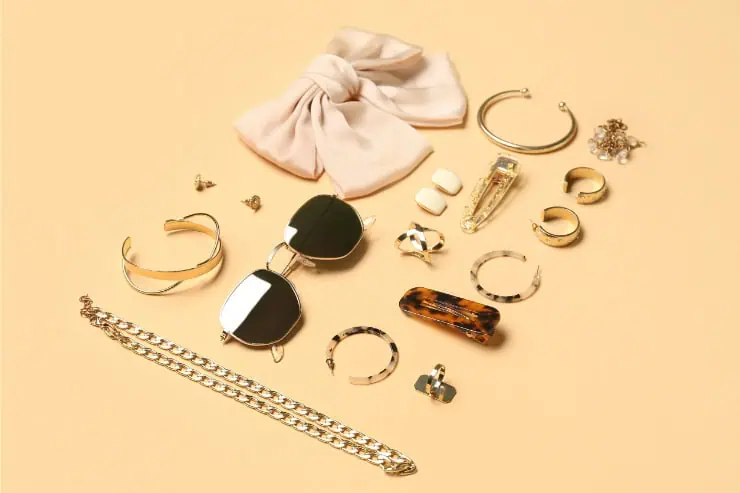
Jewelry should support an outfit, not overpower it. Scale matters delicate outfits pair better with refined pieces, while structured clothing can handle bolder accents. Wearing too many pieces at once creates noise. Women who look confident often choose one or two pieces and stop there. Jewelry works best when it feels deliberate. This small detail can elevate simple clothing dramatically. Restraint allows jewelry to enhance rather than distract, contributing to an overall sense of ease and refinement.
11. How Clothes Move When You Walk or Sit

Movement reveals everything. Clothing that rides up, twists, or restricts movement can feel uncomfortable and look awkward. Women who feel confident in their outfits often choose pieces that move with the body. This detail affects posture and presence. When clothes allow natural movement, the wearer appears relaxed and assured. Testing movement walking, sitting, reaching is a small habit with big impact. Comfort and confidence are closely linked, and movement is where that relationship shows most clearly.
12. The Final Edit Before You Leave
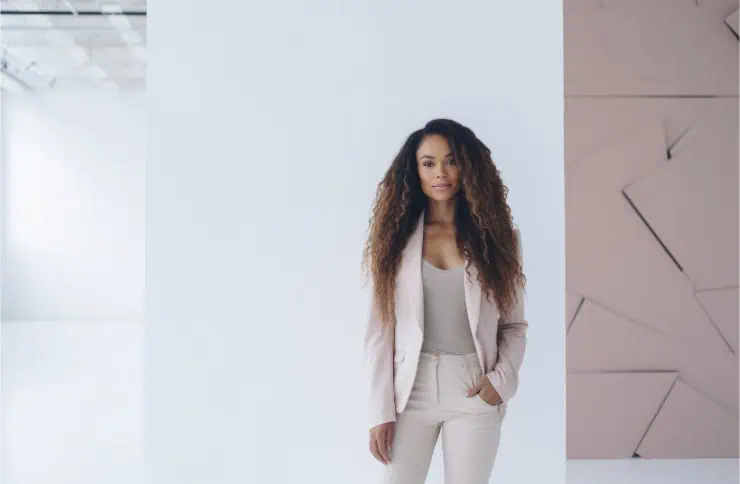
The last glance in the mirror often determines whether an outfit feels finished. This is where small adjustments happen removing an extra accessory, smoothing fabric, or changing shoes. Women who look consistently polished take this moment seriously. The final edit isn’t about perfection; it’s about intention. This pause allows you to see the outfit as a whole rather than as individual pieces. Often, one small change makes everything click. This habit alone can elevate daily dressing dramatically.