Cold weather presents one of the biggest style challenges, especially after 50 or 60. Layers multiply, fabrics thicken, and comfort often takes priority over clarity. Stylists frequently observe that winter outfits add years not because of age, but because of accumulation too many heavy pieces worn without intention. When proportion, fabric, and balance aren’t considered together, outfits become bulky, stiff, or overly cautious. The good news is that most cold weather mistakes aren’t about buying new clothes. They’re about editing, balancing, and understanding how winter garments interact visually.
Table of Contents
1. Wearing Too Many Bulky Layers at Once

Layering is necessary in cold weather, but piling on bulky items creates a marshmallow effect that adds visual weight instantly. Stylists explain that when multiple thick layers stack heavy sweaters under padded coats with oversized scarves the body loses definition entirely. This doesn’t just make outfits look larger; it makes them look tired and dated. Modern winter style relies on fewer, smarter layers: warmth from fabric quality, not quantity. Choosing one insulating piece and keeping others streamlined preserves shape. Bulk without hierarchy overwhelms the frame and adds years unnecessarily.
2. Relying on Oversized Outerwear With No Balance
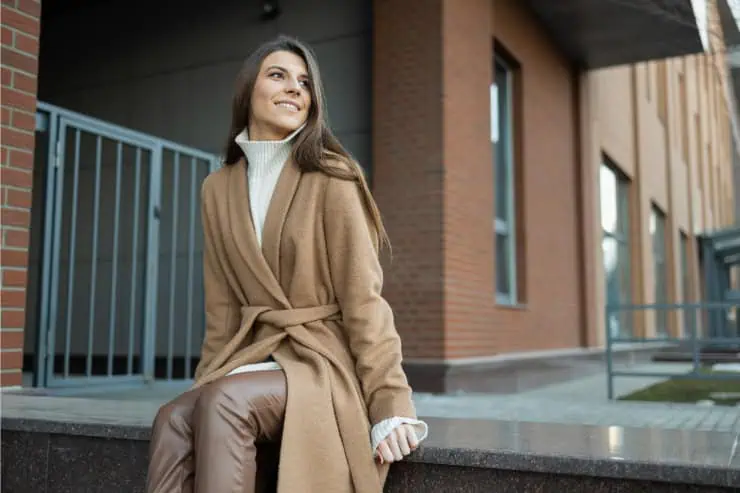
Oversized coats are everywhere, but stylists warn that without balance, they quickly age an outfit. When a voluminous coat is paired with equally loose pants and heavy shoes, the result feels shapeless and overwhelming. After 50 or 60, proportion becomes crucial. Oversized outerwear works best when contrasted with slimmer layers underneath or more refined footwear. Balance signals intention. Without it, oversized coats read as hiding rather than styling, which visually ages the wearer.
3. Choosing Heavy, Dull Fabrics That Lack Movement
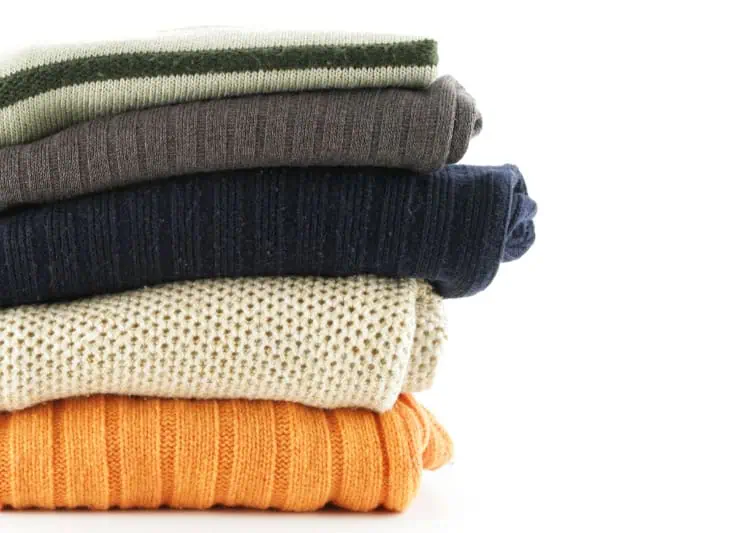
Winter fabrics are thicker, but that doesn’t mean they should be stiff or lifeless. Stylists often notice that dense, matte fabrics with no drape cheap wool blends, thick synthetics create rigid silhouettes. These fabrics don’t move with the body, making outfits feel static and severe. Better winter style uses fabric weight intelligently: wool with drape, cashmere, quality knits, lined coats with fluidity. Movement softens the look and adds elegance. Lifeless fabric adds years because it drains energy from the outfit.
4. Wearing All Black Winter Outfits Without Contrast
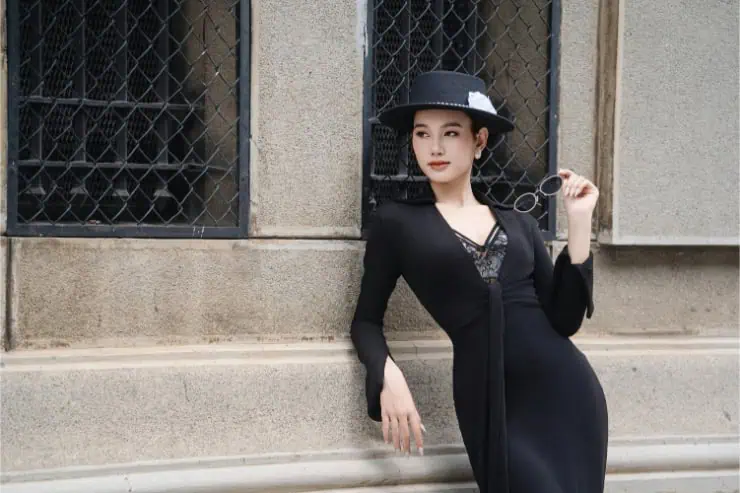
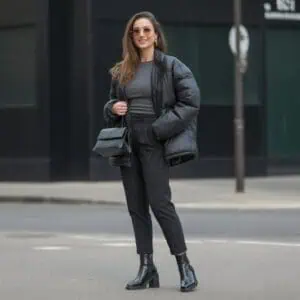
All-black winter outfits are common because they feel safe and slimming. However, stylists consistently point out that head-to-toe black in cold weather can harden the face and flatten the outfit. As skin contrast softens with age, pure black near the face can emphasize shadows and lines. Without texture, contrast, or light, black becomes severe. Adding charcoal, grey, camel, cream, or even texture through knits and leather restores dimension. The issue isn’t black it’s unbroken black.
5. Overusing Chunky Scarves
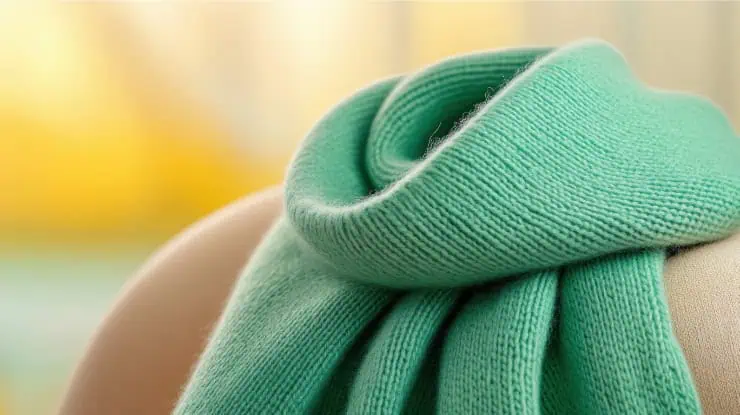
Scarves are essential in winter, but overly chunky scarves wrapped excessively around the neck create visual congestion. Stylists say this draws attention to the neck and jaw in an unflattering way and makes the upper body look compressed. Thick scarves layered over bulky coats often overwhelm the frame. A better option is a structured wool scarf or cashmere wrap that drapes cleanly. Scarves should frame the face, not bury it. When scarves dominate the outfit, they add years by distorting proportion.
6. Wearing Outdated Boot Styles
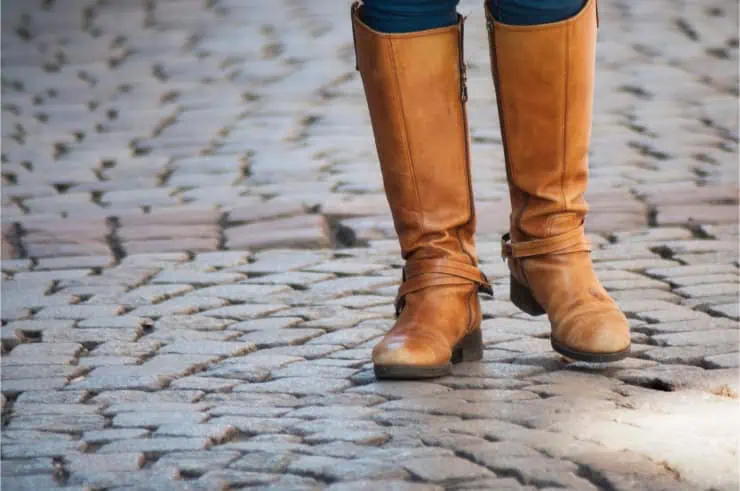
Footwear anchors winter outfits, and dated boots instantly age the entire look. Stylists frequently mention overly rounded toes, excessive stitching, slouchy shafts, or overly orthopedic designs as culprits. Even well-maintained boots can age an outfit if their shape belongs to a past era. Modern winter boots favor cleaner lines, subtle structure, and refined soles. Shoes don’t need to be trendy, but they must be current. Outdated footwear pulls winter outfits backward in time faster than almost anything else.
7. Ignoring Fit Because Winter Clothes “Hide Everything”
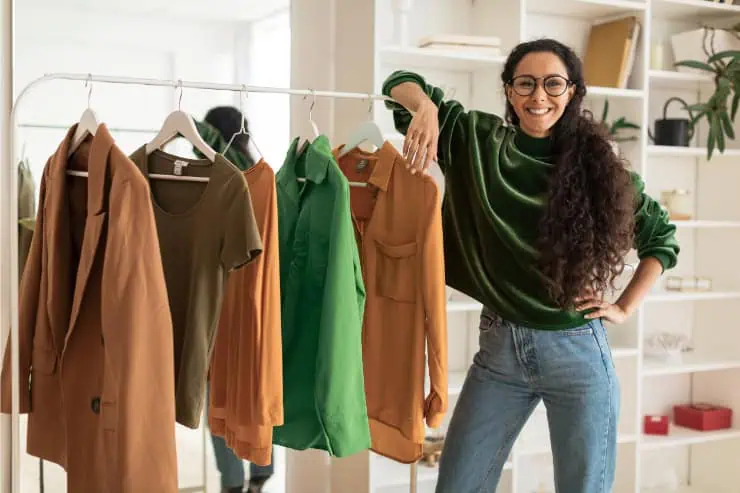
Many women relax fit standards in winter, assuming bulky clothes hide flaws. Stylists strongly disagree. Poor fit becomes more obvious in winter because layers magnify errors. Pants that are too long bunch awkwardly, coats that are too large swallow the frame, sleeves that drag look careless. Winter is when tailoring matters most. Proper length, shoulder fit, and sleeve proportion immediately elevate cold-weather outfits. Ignoring fit adds years by making outfits look neglected rather than relaxed.
8. Wearing Too Many Practical Pieces at Once
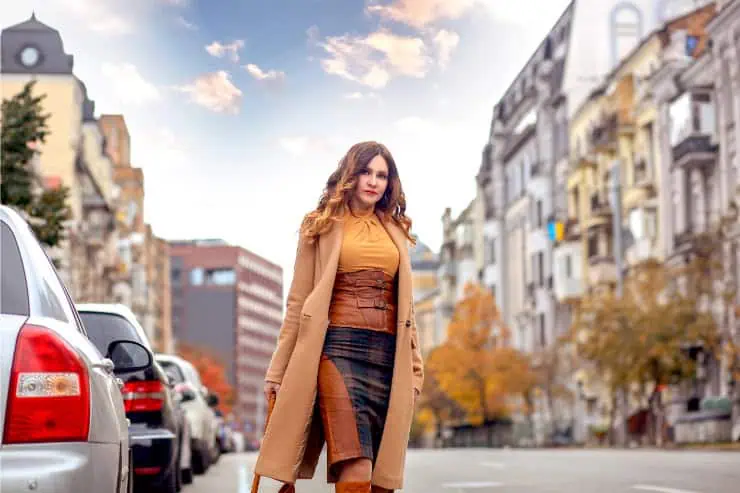
Practical winter items thermal leggings, snow boots, fleece jackets are necessary, but wearing all of them together creates a utilitarian look that feels aging. Stylists often say practicality should be edited, not stacked. One practical item balanced with refined pieces keeps outfits stylish. For example, functional boots paired with a tailored coat, or a puffer worn with structured trousers. When everything is practical, the outfit loses elegance and intention.
9. Over Accessorizing Winter Outfits
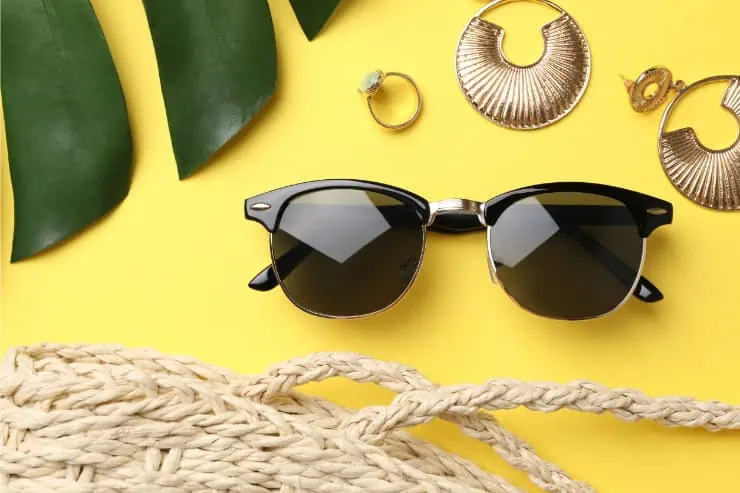
Winter outfits already involve layers, textures, and volume. Adding excessive accessories multiple scarves, hats, large jewelry, belts creates clutter. Stylists observe that over-accessorizing in winter overwhelms the eye and makes outfits feel busy and outdated. After 50 or 60, restraint reads as sophistication. One or two thoughtful accessories are enough. Editing accessories allows the outfit to breathe and keeps focus on the wearer rather than the effort.
10. Wearing Short Jackets With Heavy Bottoms
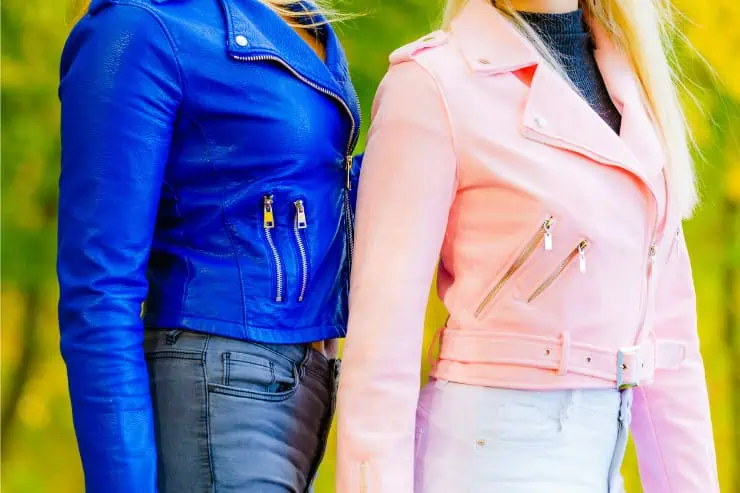
Short jackets paired with wide-leg trousers, thick skirts, or bulky knits disrupt vertical balance. Stylists explain that this combination cuts the body at an awkward point, making the lower half look heavier and shorter. In winter, longer outer layers or jackets that align with the hip create smoother lines. Length continuity matters more when fabrics are thick. Poor proportion adds years by distorting the body’s natural balance.
11. Choosing Hats That Overpower the Face
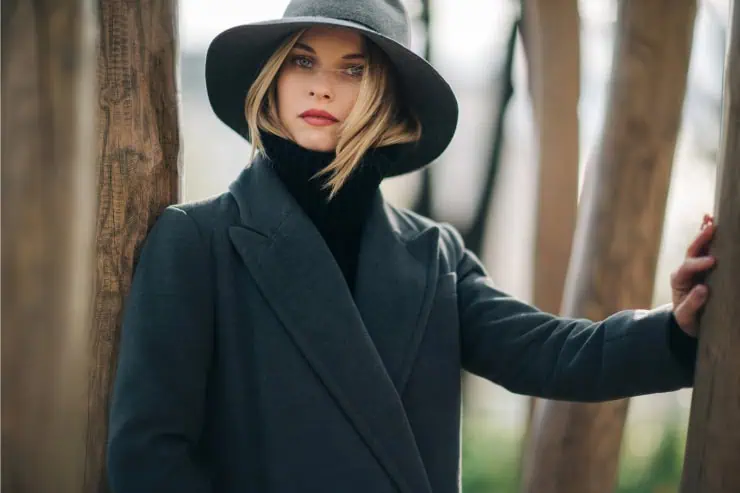
Winter hats can be stylish or disastrous. Stylists note that oversized beanies, overly slouchy knits, or novelty hats draw attention away from the face and overwhelm features. After 60, hats should frame the face, not dominate it. Structured wool hats, refined berets, or sleek knit beanies add polish without excess. The wrong hat adds years by throwing off facial proportion and making outfits feel careless.
12. Avoiding Any Modern Updates in Winter Dressing
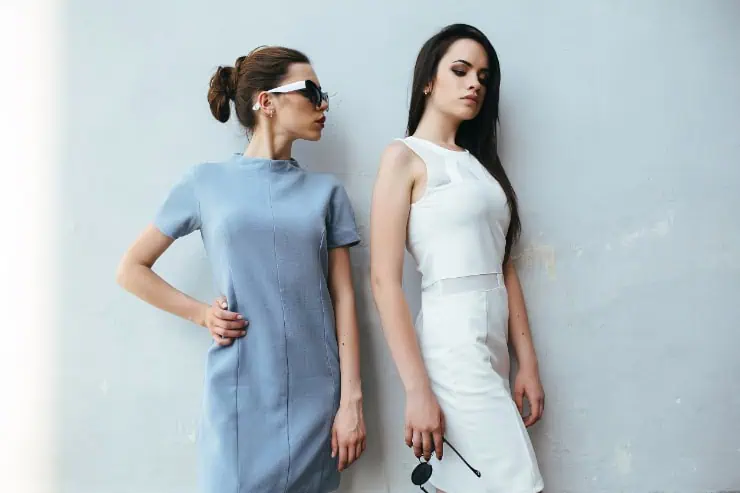
The biggest cold weather mistake is treating winter style as a survival exercise rather than a style opportunity. Stylists say women who look best in winter allow their cold-weather wardrobe to evolve. They update silhouettes, refresh footwear, and adjust proportions even subtly. Refusing to modernize winter outfits locks style into the past. Evolution doesn’t require trends; it requires awareness. Winter style improves dramatically when women stop dressing defensively and start dressing intentionally.