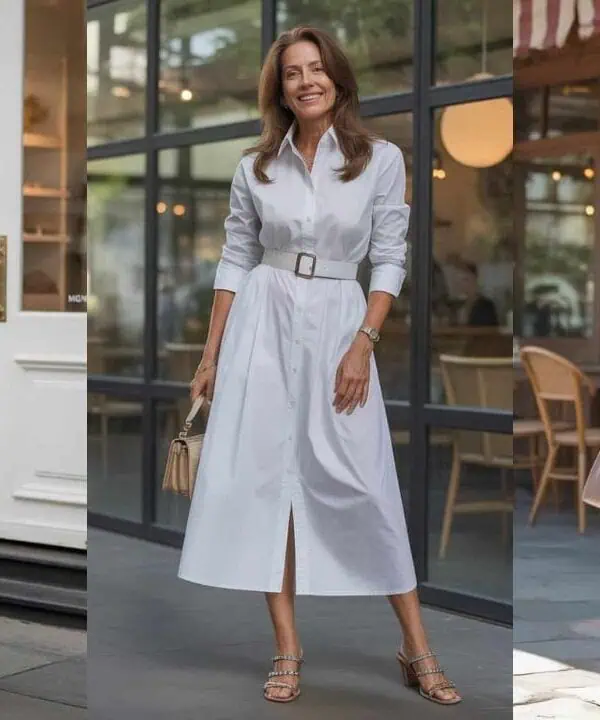
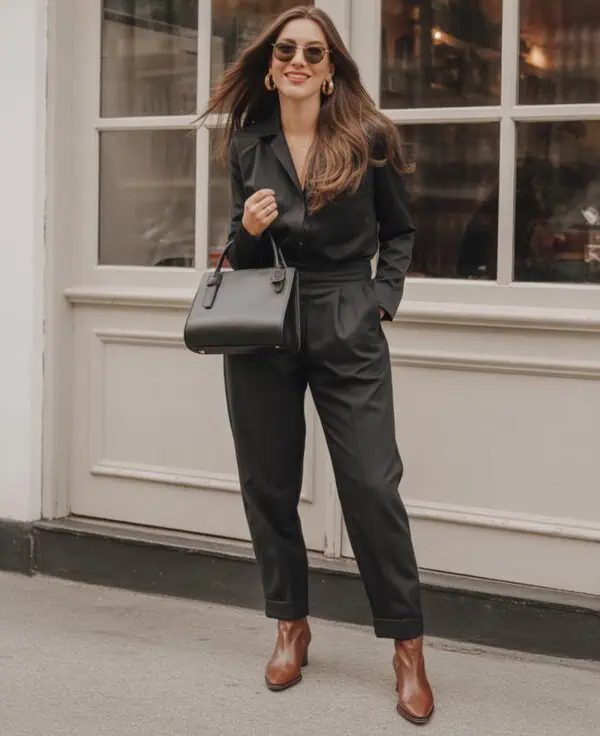
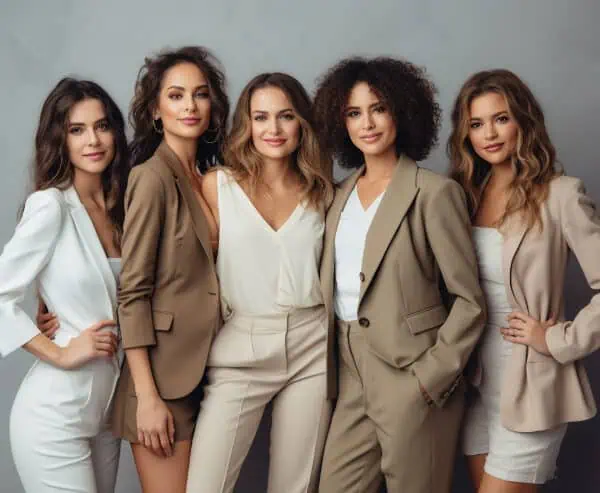
An outfit doesn’t fail because of one bad piece it fails because of small styling decisions that disrupt balance, proportion, or intention. Many women own great clothes yet feel dissatisfied with how their outfits turn out. Often, the issue isn’t taste or budget, but overlooked choices that undermine the overall look. At the same time, a few thoughtful adjustments can instantly transform an outfit from unfinished to polished. Understanding what ruins an outfit and what completes it creates clarity and confidence when getting dressed.
Table of Contents
1. Wearing Clothes That Almost Fit

Clothing that almost fits is one of the most common outfit killers. When garments pull across the hips, sag at the shoulders, or bunch at the waist, they create constant visual tension. Even high-quality or stylish pieces lose their impact when fit is compromised. Women often keep these items because they’re “close enough,” but the discomfort shows in posture and confidence. Proper fit doesn’t mean tight or restrictive it means clothes sit naturally on the body without constant adjustment. When fit is right, movement feels easier, lines look cleaner, and the outfit instantly feels intentional rather than improvised.
2. Ignoring Proportion Between Top and Bottom

Proportion plays a critical role in whether an outfit feels balanced or awkward. When volume and length aren’t considered together, outfits can look heavy, boxy, or unfinished. For example, pairing a long oversized top with wide-leg pants often overwhelms the frame, while a cropped jacket over a bulky skirt can feel disjointed. Proportion helps guide the eye and creates harmony between pieces. Many women sense something is “off” without knowing why. Adjusting length, volume, or structure restores clarity. Balanced proportions allow even simple outfits to feel refined and cohesive.
3. Over Layering Without Purpose

Layering should enhance an outfit, not bury it. When layers are added without intention, the result is visual clutter and unnecessary bulk. Each layer should have a role adding warmth, structure, or contrast. Over layering often comes from insecurity or uncertainty, but it ends up obscuring shape and disrupting proportion. Too many layers competing for attention make an outfit feel chaotic rather than styled. Thoughtful layering considers fabric weight, length differences, and silhouette. When layers are purposeful, the outfit feels dynamic and complete. When they aren’t, the look feels confused and unfinished.
4. Wearing the Wrong Shoes for the Outfit

Shoes are one of the most powerful styling elements, and the wrong pair can unravel an entire outfit. Footwear sets the tone casual, polished, relaxed, or refined. Athletic shoes with tailored clothing or overly delicate shoes with heavy layers create disconnect. Shoes also affect posture and confidence. When footwear doesn’t align with the rest of the outfit, the look feels accidental. Shoes don’t need to be trendy or uncomfortable they just need to belong. Choosing shoes intentionally anchors the outfit and signals that the look was planned, not thrown together.
5. Letting Comfort Turn Into Sloppiness

Comfort is essential, but when it lacks structure or care, it crosses into sloppiness. Stretched fabrics, sagging silhouettes, or worn materials send the message that the outfit wasn’t considered. Women often equate comfort with effortlessness, but effortlessness still requires intention. Comfortable clothing should support the body and maintain shape. Adding one structured element such as a jacket, proper shoes, or a defined waist keeps comfort from looking careless. When comfort is styled deliberately, it reads as confident and modern rather than tired or neglected.
6. Wearing Too Many Competing Details
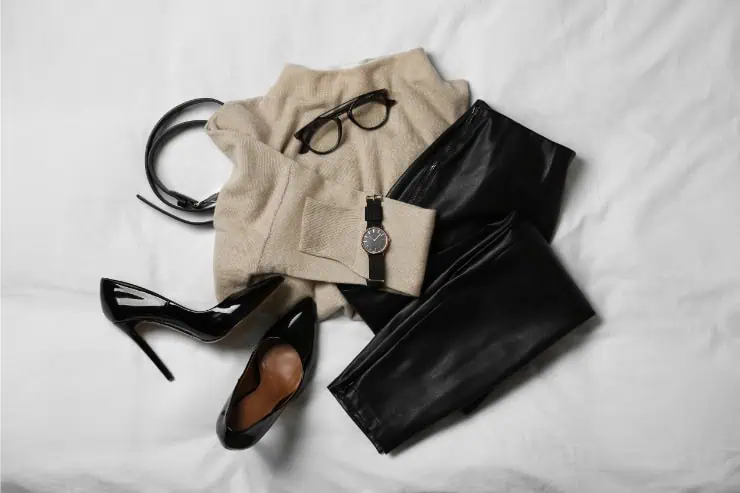
When an outfit includes too many bold elements, it loses focus. Prints, textures, jewelry, embellishments, and statement pieces all competing for attention create visual noise. Outfits need hierarchy one focal point supported by simpler elements. Women often add more details when something feels off, but subtraction is usually the solution. Too many competing details overwhelm both the outfit and the wearer. Simplifying allows the strongest piece to shine. Restraint creates clarity, and clarity creates polish. When everything stands out, nothing truly does.
7. Ignoring Fabric Quality and Condition
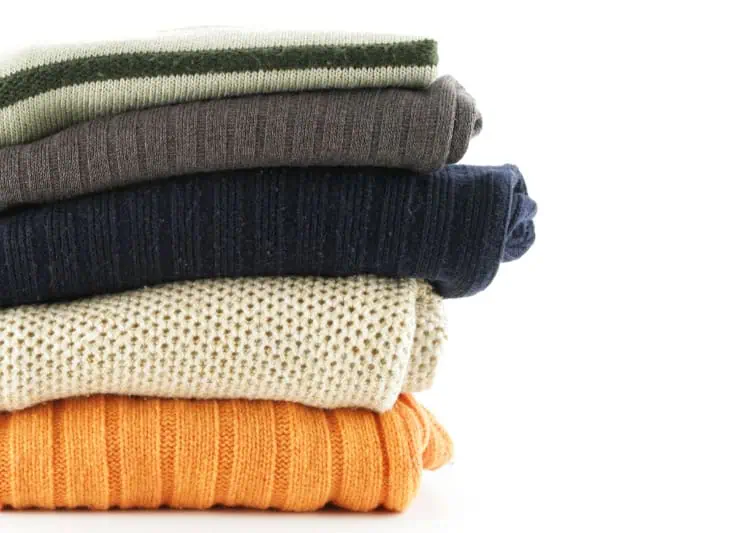
Fabric condition can quietly ruin even the most stylish outfit. Wrinkles, pilling, shine, thinning fabric, or worn edges instantly cheapen a look. Women often focus on cut and color while overlooking texture and maintenance. Clothes don’t need to be expensive, but they do need to look cared for. Fabric quality affects how garments drape, move, and reflect light. When fabrics look tired, the entire outfit feels tired. Paying attention to condition pressing, replacing worn items, choosing better materials makes a dramatic difference in how polished an outfit appears.
8. Wearing Outdated Silhouettes Without Adjustment

Outdated silhouettes aren’t automatically wrong, but wearing them without balance can age an outfit. Extremely long tops, overly skinny pants, or dated cuts can feel stuck in time if not updated through proportion or styling. Style evolves subtly, often through shape rather than trend. Updating one element length, fit, or structure can modernize familiar pieces. When outdated silhouettes dominate without adjustment, outfits feel disconnected from the present. Balance keeps classics wearable. The goal isn’t to abandon older pieces, but to style them in a way that feels current and intentional.
9. Skipping the Final Outfit Check

Many outfits fail simply because they’re unfinished. Skipping the final mirror check allows wrinkles, awkward layering, mismatched tones, or imbalance to go unnoticed. This last moment is where intention shows. Women who consistently look polished take time to assess the whole picture front, back, and side. The final check isn’t about perfection; it’s about awareness. Adjusting a sleeve, removing an extra accessory, or changing shoes can completely transform the outfit. This pause is often the difference between “fine” and “finished.”
10. Dressing for Trends Instead of Personal Reality

Following trends that don’t align with your body, lifestyle, or personality can instantly ruin an outfit. Trend-driven clothing often feels forced when it doesn’t suit the wearer. Women sense this mismatch intuitively, and it affects confidence. Dressing for trends instead of self creates discomfort and self-consciousness. Personal style works best when it supports who you are and how you live. Trends should be optional, not mandatory. When outfits align with real needs and preferences, they feel authentic. Authenticity reads as confidence and confidence always elevates an outfit.
11. Clear Outfit Structure
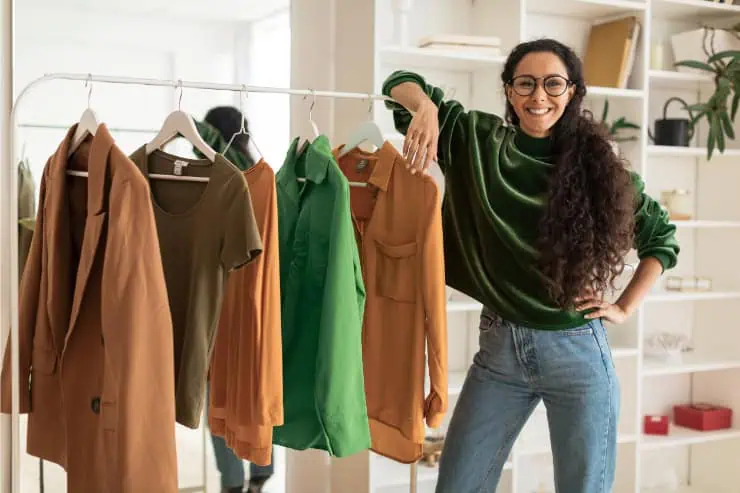
Outfits feel complete when they have a clear structure: a base, a supporting element, and a finish. Structure gives the outfit direction and purpose. Whether casual or polished, the look follows an internal logic that makes sense visually. Women who dress well consistently rely on structure rather than inspiration. When an outfit has a clear framework, it feels intentional even if it’s simple. Structure removes guesswork and allows repetition. It creates calm, confidence, and reliability in daily dressing.
12. One Strong Anchoring Piece

A strong anchoring piece gives the outfit focus. This might be a jacket, coat, shoe, or bag that grounds the entire look. When one element leads, the rest can stay simple. Anchors prevent outfits from feeling scattered or unfinished. Women often feel more confident when they know what the outfit is “about.” The anchoring piece provides that clarity. It doesn’t need to be bold just intentional. This approach simplifies decisions and creates cohesion effortlessly.
13. Balanced Proportions Throughout

Balanced proportions instantly elevate an outfit. When volume, length, and shape work together, the look feels harmonious. Balanced outfits allow the body to move naturally and confidently. Women often describe this feeling as “everything just works.” Proportion doesn’t require trends just awareness. Adjusting hem length, sleeve width, or layering placement can restore balance. This single principle makes outfits look polished without added effort. It’s one of the most powerful yet overlooked styling tools.
14. Intentional Shoes and Bag
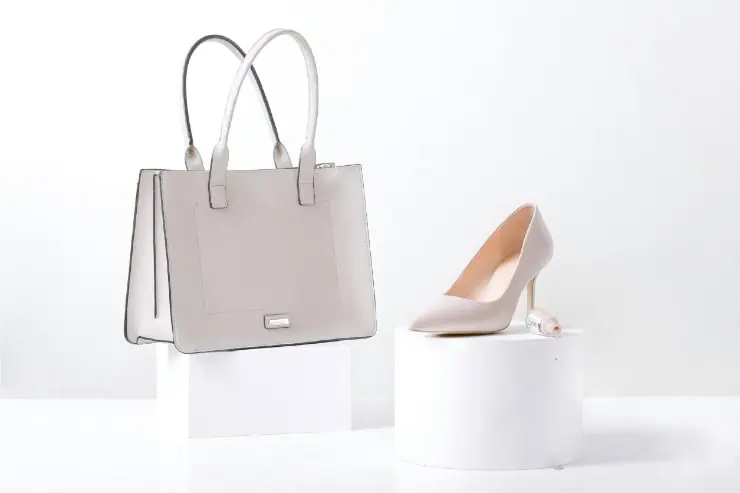
Shoes and bags act as visual punctuation. When chosen intentionally, they signal completion. These pieces frame the outfit and reinforce its tone. They don’t need to match perfectly, but they should relate in weight, style, and purpose. Thoughtful accessories elevate even the simplest clothing. Women often notice an immediate shift in confidence once shoes and bag are right. These details quietly communicate polish and care, finishing the outfit without excess.
15. Knowing When to Stop
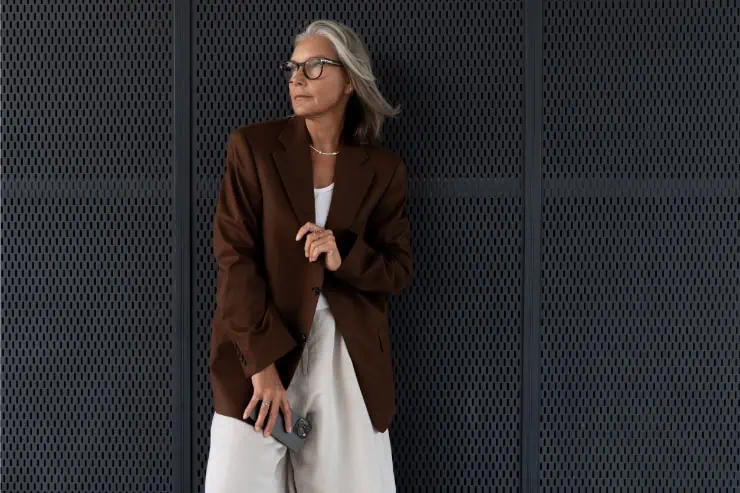
One of the most important styling skills is knowing when to stop. Over accessorizing or over adjusting can undo an otherwise balanced outfit. Women who dress with confidence trust restraint. They make one final check, adjust if needed, and then stop. Completion often comes from subtraction rather than addition. This choice creates calm and authority. When an outfit feels settled, confidence follows. Knowing when to stop is what turns good styling into great styling.