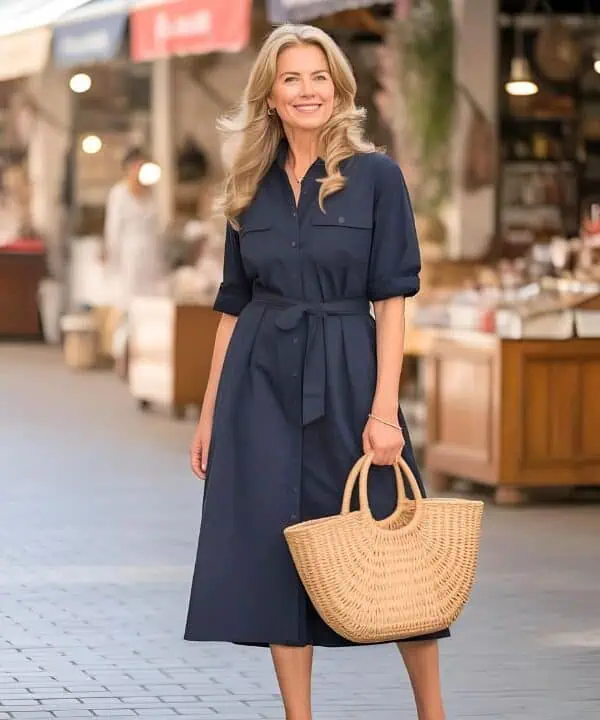
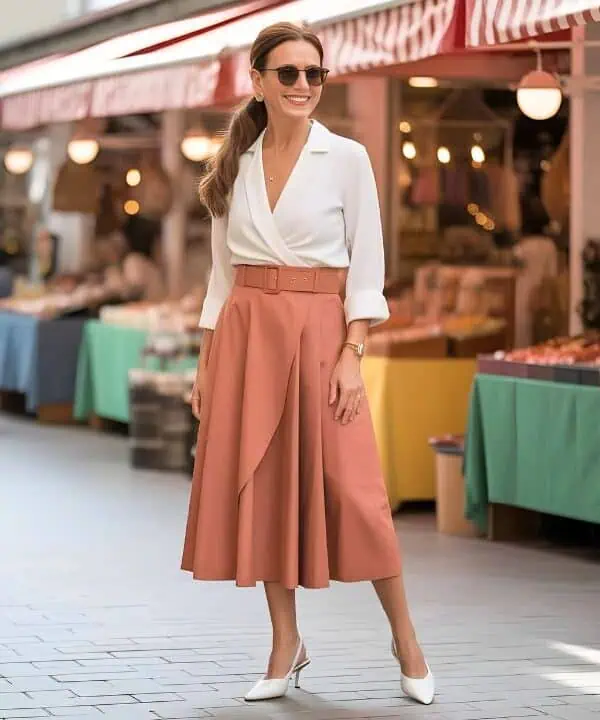
Many women over 50 experiment with new fashion habits in an effort to feel refreshed, modern, or more confident. While experimentation is healthy, not every trend or styling habit translates well in real life. With time, experience reveals which choices genuinely enhance presence and which quietly undermine comfort, confidence, or authenticity. The habits women regret most are rarely about age rules or body limitations. Instead, they stem from dressing against lifestyle, personality, or proportion. These regrets often surface not immediately, but after repeated wear when something consistently feels off. Below are ten fashion habits women over 50 commonly regret after trying them, explained with clarity, empathy, and real world perspective.
Table of Contents
1. Dressing Head to Toe in Trends

Many women regret fully committing to trends instead of selectively incorporating them. Wearing multiple trend-driven items at once can feel exciting initially, but often ages quickly and feels costume-like in retrospect. Trends move fast, and outfits built entirely around them lack longevity. Over time, women realize these pieces rarely integrate into their existing wardrobes, leading to wasted money and frustration. French and Italian women, in particular, understand that trends should accent a personal style, not replace it. Regret sets in when closets fill with items that feel dated within a year and no longer reflect the wearer’s identity.
2. Buying Clothes for a “Future Self”
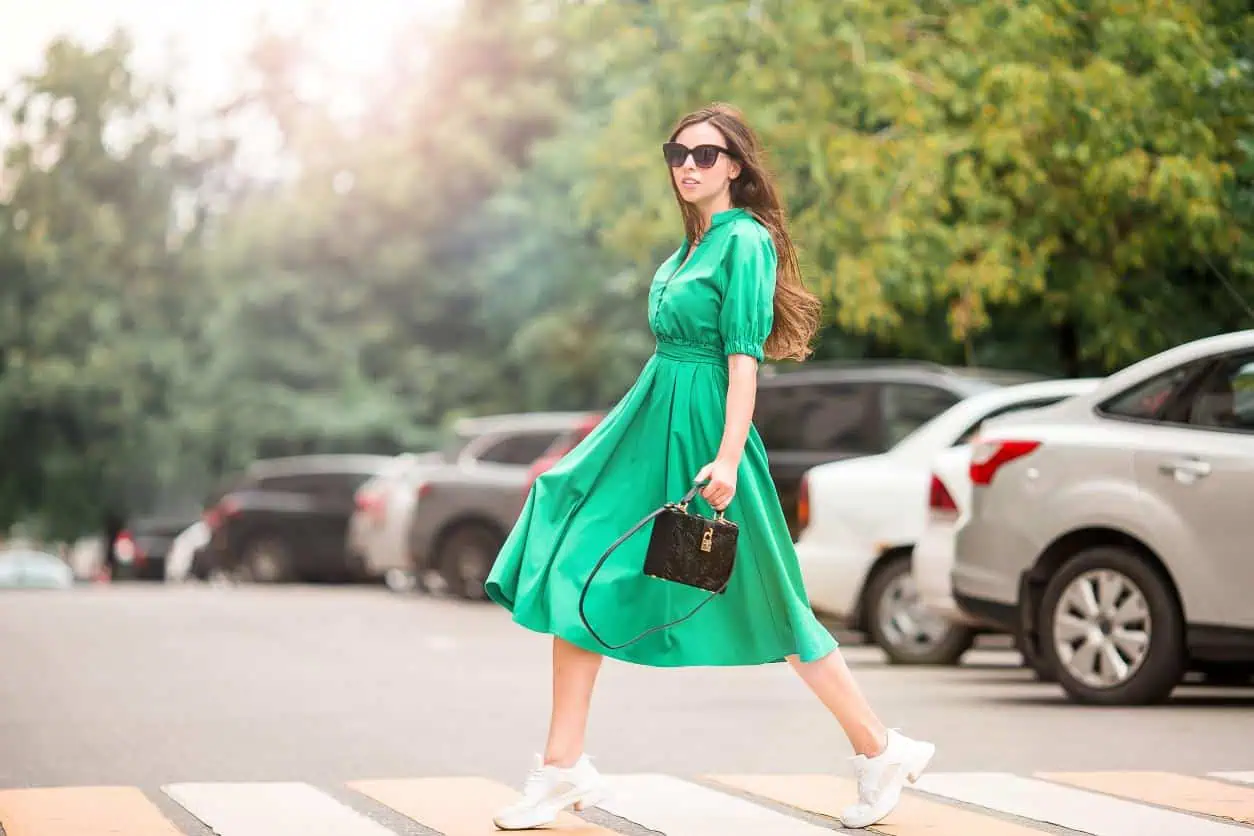
One of the most common regrets is purchasing clothing for an imagined version of life. Dresses for events that never happen, structured outfits for lifestyles that don’t exist, or aspirational silhouettes that don’t match daily routines often go unworn. These purchases create emotional clutter and guilt. Over time, women realize that dressing well means supporting the life they actually live now. Clothes should serve present needs, not future fantasies. Regret emerges when beautiful items sit untouched while practical favorites are worn repeatedly.
3. Over Hiding the Body

Many women regret adopting overly loose or shapeless silhouettes meant to hide perceived flaws. While comfort is important, excessive volume often removes definition and energy from an outfit. Over time, women notice that these clothes make them feel invisible rather than confident. The regret lies in realizing that strategic structure and thoughtful tailoring are far more flattering than total concealment. Clothing that gently acknowledges the body creates presence, whereas hiding it completely often communicates discomfort.
4. Prioritizing Comfort Over Style Entirely

Comfort is essential, but abandoning style completely for comfort alone often leads to regret. Elastic waistbands, overly casual shoes, and purely functional clothing can slowly erode confidence. Many women realize that when they stop making any aesthetic effort, they feel less polished and less like themselves. The key regret is not choosing comfort, but failing to balance it with intention. Well-cut, comfortable pieces that still look refined exist, and women often wish they had sought those options sooner.
5. Over Investing in Statement Pieces

Bold statement items can be tempting, but many women regret investing heavily in pieces that dominate outfits. Oversized jewelry, dramatic prints, or unusual silhouettes often feel exciting at first but quickly become limiting. These items can be difficult to restyle and may overpower the wearer rather than enhance her. Regret appears when outfits feel repetitive or when statement pieces no longer align with evolving taste. Timeless foundations tend to age better than attention-grabbing one-offs.
6. Ignoring Proper Fit and Alterations
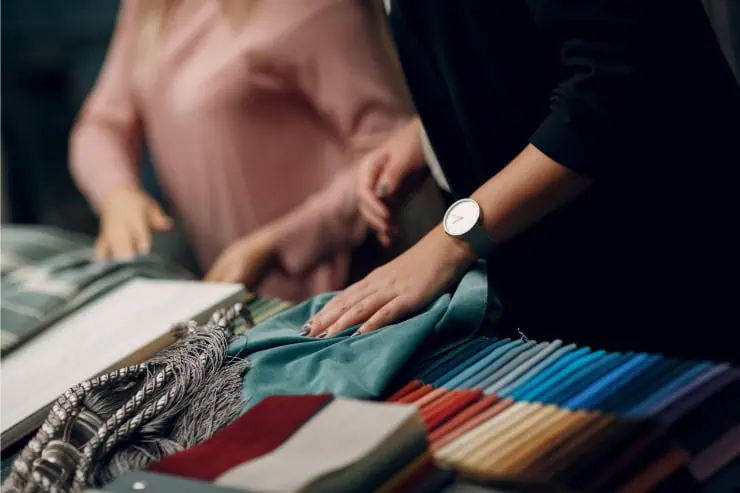
Many women regret not prioritizing fit early on. Wearing clothes that are slightly too long, too loose, or poorly proportioned subtly undermines polish. Over time, women notice that even expensive garments look mediocre without tailoring. The regret comes from realizing how transformative small alterations can be. Hemming trousers, refining waistlines, or adjusting sleeves often makes affordable clothing look custom. Ignoring fit is one of the most common and avoidable mistakes.
7. Chasing Youthful Styling Tricks

Trying to look younger through overtly youthful trends often leads to regret. Distressed denim, overly cropped silhouettes, or gimmicky details can feel forced rather than fresh. Women often realize that looking modern does not mean looking young. The regret stems from understanding that confidence and clarity are more powerful than imitation. Dressing with maturity and current relevance creates far more impact than chasing youth-driven aesthetics.
8. Wearing Outdated Color Palettes Out of Habit

Many women regret staying loyal to outdated color combinations simply because they feel familiar. Heavy beige, muted pastels, or dull neutrals can drain vibrancy from the complexion over time. When women experiment with updated tones, they often wish they had done so earlier. Color has a profound impact on energy and presence. Regret emerges when women realize they were playing it safe at the expense of freshness.
9. Over Accessorizing
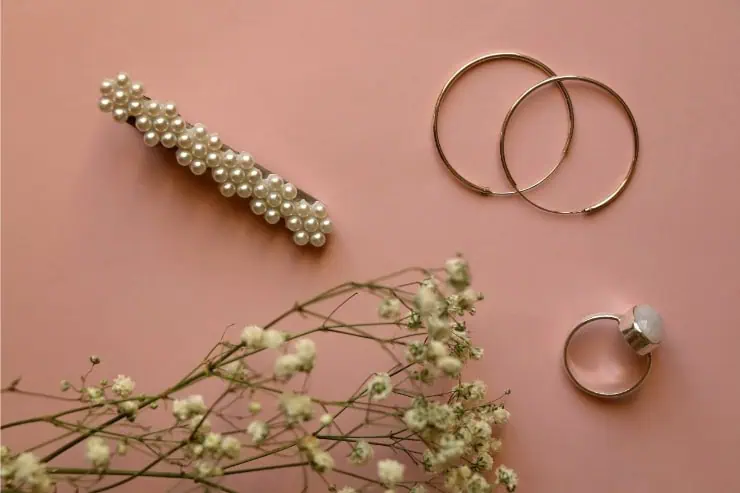
Layering too many accessories often feels stylish at first but quickly becomes overwhelming. Large necklaces, stacked bracelets, scarves, belts, and statement earrings all at once can clutter an outfit. Many women regret this habit once they recognize how much calmer and more elegant outfits feel with restraint. Editing accessories creates clarity and sophistication. The regret lies in realizing that less truly does more.
10. Dressing for Approval Instead of Self

Perhaps the deepest regret is dressing to please others rather than oneself. Outfits chosen to avoid judgment or seek validation often feel disconnected from identity. Over time, women recognize that confidence comes from alignment, not approval. Dressing authentically allows clothes to feel natural and empowering. The regret is not about specific items, but about years spent muting personal taste. Letting go of this habit often marks a powerful style turning point after 50.