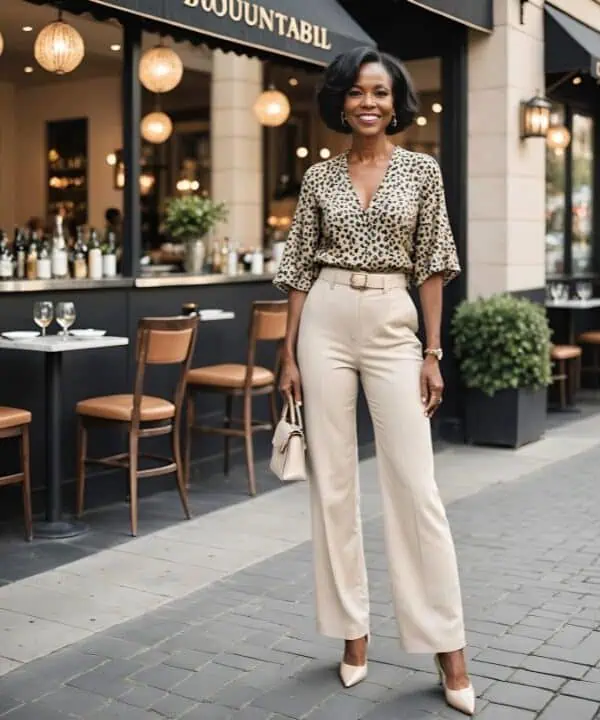
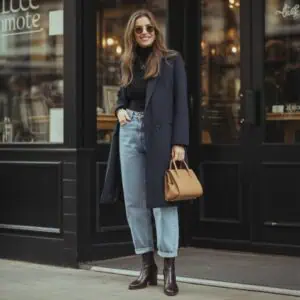
French style after 60 is often misunderstood as minimalist or effortless by nature. In reality, it is the result of years of editing. French women at this stage of life are highly selective, not because of rules, but because they understand how certain outfit choices undermine confidence, proportion, and credibility. They are not chasing youth, trends, or approval. Instead, they are protecting clarity. What they avoid is just as revealing as what they choose to wear. These avoided outfit choices are rarely about age restrictions; they are about refusing combinations that feel performative, apologetic, or outdated. Below are ten outfit choices French women over 60 tend to avoid completely and why steering clear of them is central to their quiet authority and timeless appeal.
Table of Contents
1. Overly Trend Driven Head to Toe Looks

French women over 60 avoid wearing trends from head to toe because it signals dependence rather than discernment. When every element of an outfit reflects a current trend, the wearer disappears behind the moment. French style values continuity and personal identity over novelty. Trends may be incorporated selectively, but never as a full costume. Head-to-toe trend dressing often looks anxious, as though the outfit is trying to prove relevance. French women understand that authority comes from stability. They prefer outfits that feel rooted in their own aesthetic, allowing trends to pass through lightly rather than take over. This restraint keeps their style timeless rather than timestamped.
2. Clothes That Apologize for the Body
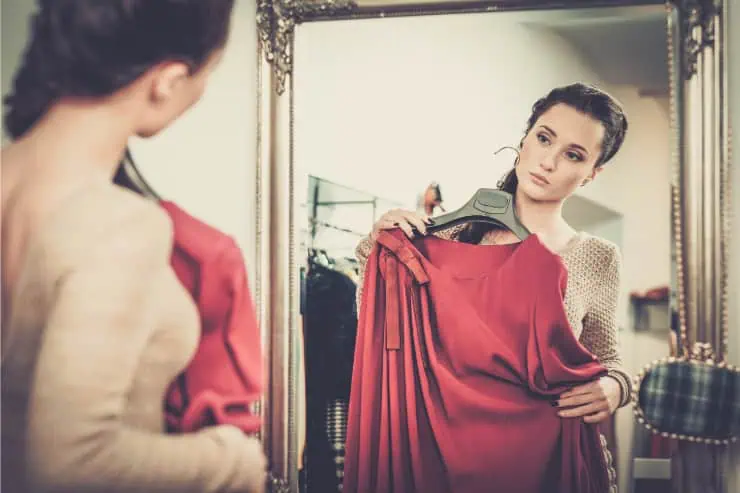
Outfits designed to hide, camouflage, or apologize for the body are avoided entirely. French women over 60 do not dress defensively. They reject overly long tops, shapeless layers, and excessive coverage meant to erase form. These choices signal discomfort rather than elegance. Instead, they choose clothes that acknowledge the body without clinging to it. The avoidance of apologetic clothing is philosophical as much as aesthetic. French women see dressing as an act of presence, not concealment. Clothes that attempt to disappear the body undermine that presence and are therefore dismissed.
3. Overly “Nice” or Polite Outfits

French women are wary of outfits that look excessively polite or proper. Coordinated but lifeless ensembles designed to look “nice” often lack personality and conviction. These outfits tend to rely on outdated ideas of respectability, prioritizing approval over expression. After 60, French women no longer dress to be agreeable. They dress to be themselves. Overly nice outfits flatten individuality and age the wearer by signaling caution. This is why French women avoid looks that feel socially correct but visually forgettable.
4. Over Matched Accessories

Perfectly matching shoes, bags, belts, and jewelry are rarely seen on French women over 60. This level of coordination feels rigid and old fashioned. French style favors cohesion, not exact duplication. When accessories are overly matched, the outfit feels planned rather than lived-in. French women prefer subtle variation in tone, texture, or finish. This looseness introduces ease and modernity. Over-matching suggests adherence to outdated rules rather than confident intuition, which is why it’s avoided.
5. Synthetic, Stiff Fabrics
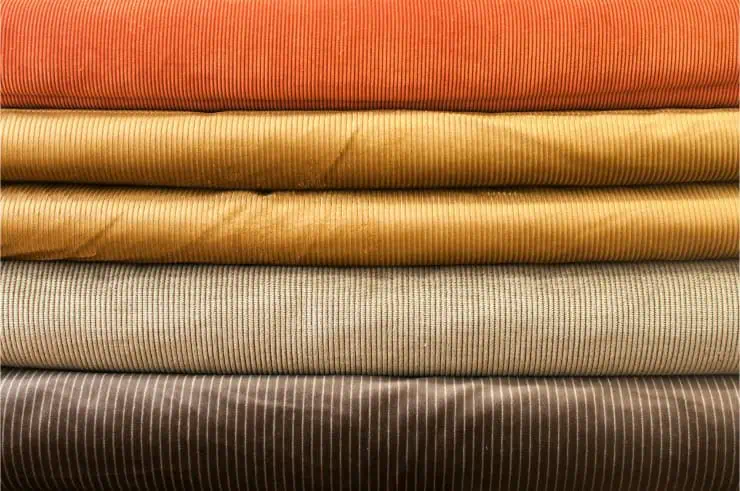
Regardless of price point, French women avoid fabrics that look stiff, shiny, or synthetic. Poor fabric quality disrupts movement and undermines even the most elegant design. After 60, how a garment moves becomes more important than how it looks on a hanger. French women prioritize materials that soften with wear and respond to the body. Stiff fabrics create visual tension and feel disconnected from real life. Avoiding them ensures outfits appear fluid, comfortable, and believable.
6. Excessive Layers Without Purpose

While French women layer expertly, they avoid piling on garments without a clear hierarchy. Too many layers competing for attention create bulk and confusion. This kind of dressing often stems from insecurity or over-preparation. French women prefer clarity: one dominant layer supported by others. When every piece tries to matter, the outfit feels heavy and outdated. Purposeful layering maintains warmth while preserving line and movement.
7. Loud Logos or Obvious Branding
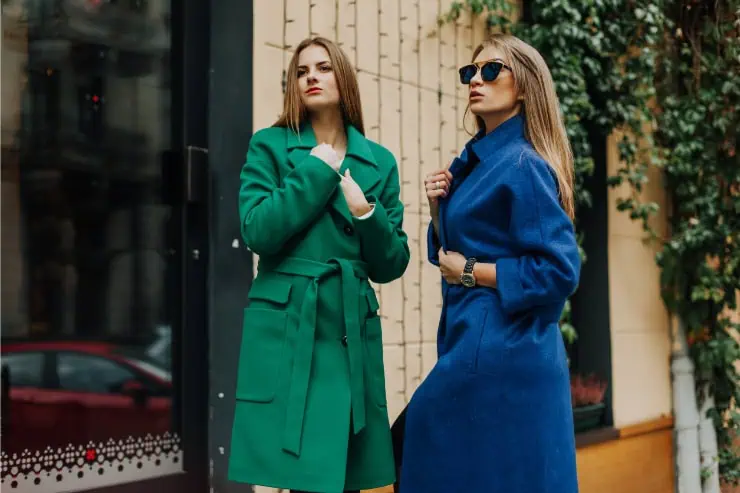
French women over 60 largely avoid visible logos and overt branding. Logos shift focus from the woman to the label, which contradicts French style values. Dressing to display brands can feel performative and insecure. Instead, French women invest in quality, cut, and fabric elements that speak quietly. The absence of logos allows personal style to lead. This choice reinforces confidence and maturity rather than consumption.
8. Youth Driven Styling Tricks
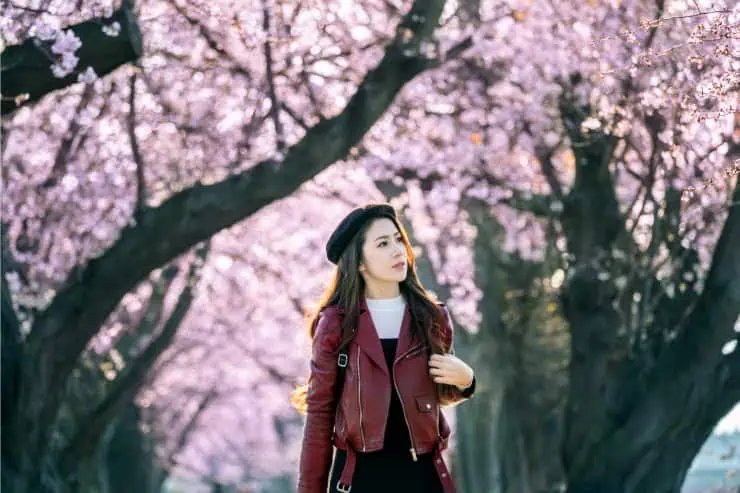
Attempts to mimic youth culture through styling such as overly distressed denim, exaggerated trends, or playful gimmicks are generally avoided. French women do not try to look younger; they aim to look current and self-assured. Youth driven styling often feels inauthentic and distracting. French women understand that maturity has its own elegance. Avoiding these tricks preserves credibility and dignity without sacrificing modernity.
9. Overly Fussy or Decorative Pieces

Clothing with excessive ruffles, embellishments, or ornamentation is approached cautiously or avoided altogether. French women prefer simplicity with depth. Overly decorative pieces can feel dated quickly and distract from the wearer. After 60, French style leans toward refinement rather than adornment. When details overwhelm the garment, the outfit loses clarity. Avoiding fuss keeps the focus on form, fabric, and presence.
10. Dressing to Please Everyone
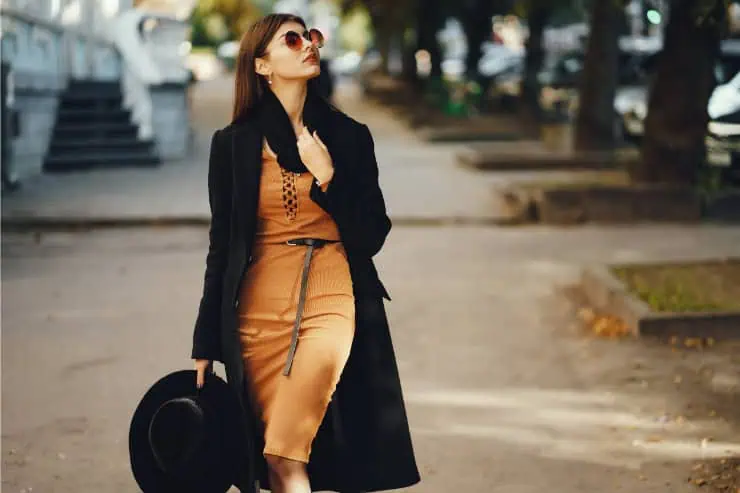
Perhaps the most important thing French women over 60 avoid is dressing for universal approval. Outfits designed to offend no one often inspire no one. French women dress to satisfy their own sense of balance and integrity. This internal orientation removes anxiety from dressing. When clothes are chosen to please others, the result feels tentative. When chosen for oneself, they feel grounded and confident. This refusal to seek consensus is central to French style maturity.