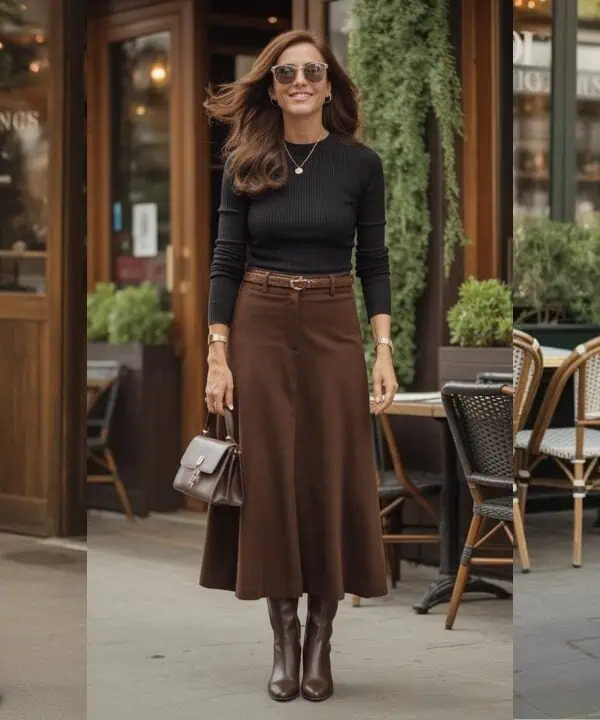
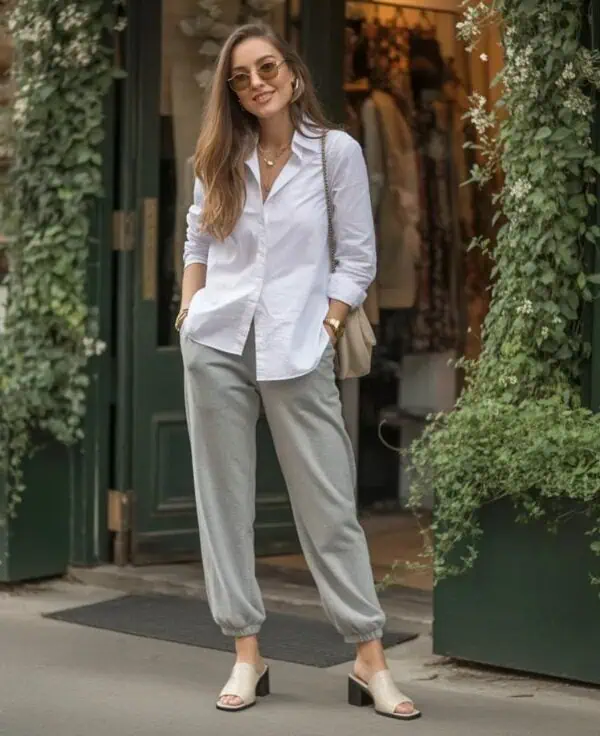
For years, women felt forced to choose between two style extremes: sharp tailoring that looked polished but restrictive, or soft comfort dressing that felt easy but appeared shapeless. Today’s most sophisticated wardrobes quietly reject that divide. Structured yet soft clothing combines gentle tailoring with fluid ease pieces that hold shape without stiffness and drape without collapse. This balance mirrors how modern women live: active, practical, and style-aware. As fashion moves away from rigid formality and oversized casualness, garments that offer subtle architecture with comfort have become the most wearable path to looking refined.
Table of Contents
1. It Restores Shape Without Feeling Restrictive
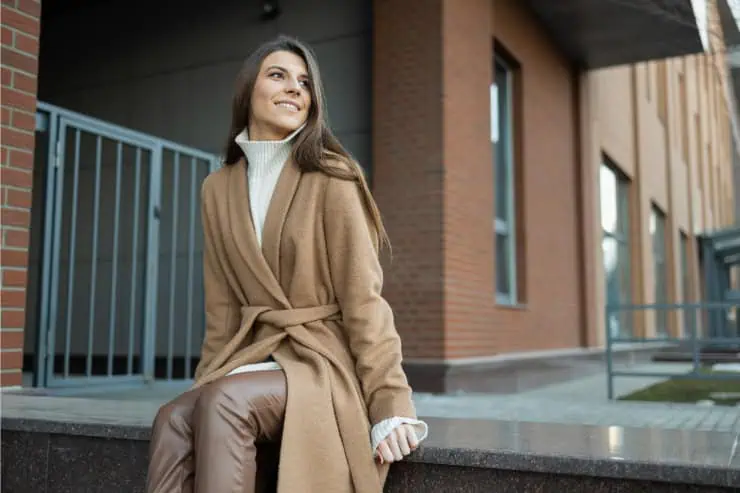
Purely structured garments can feel rigid, while fully soft clothing often loses definition. Structured yet soft pieces sit between these extremes, lightly tracing the body without compressing it. Think knit blazers, softly tailored trousers, or dresses with gentle seaming. These designs acknowledge the shoulder, waist, and vertical line just enough to create clarity. Because the shaping is subtle, the wearer retains freedom of movement and comfort. The eye reads form and proportion, so the outfit looks composed rather than casual. This quiet restoration of shape is why such pieces flatter diverse bodies and age ranges they enhance rather than impose silhouette.
2. It Aligns With How Modern Fabrics Behave

Textile innovation has made it possible to combine elasticity, softness, and structure in a single fabric. Ponte knits, stretch wools, and bonded jerseys can hold a tailored outline while remaining flexible. Designers now cut garments expecting movement rather than rigidity. Structured-yet-soft clothing leverages these materials to maintain clean lines without heavy interfacing or stiff canvassing. The garment adapts to posture shifts, walking, and sitting, so it stays neat through real life. This fabric-driven tailoring feels contemporary because it reflects how clothing is actually worn today dynamic rather than static.
3. It Balances Relaxed and Polished Aesthetics
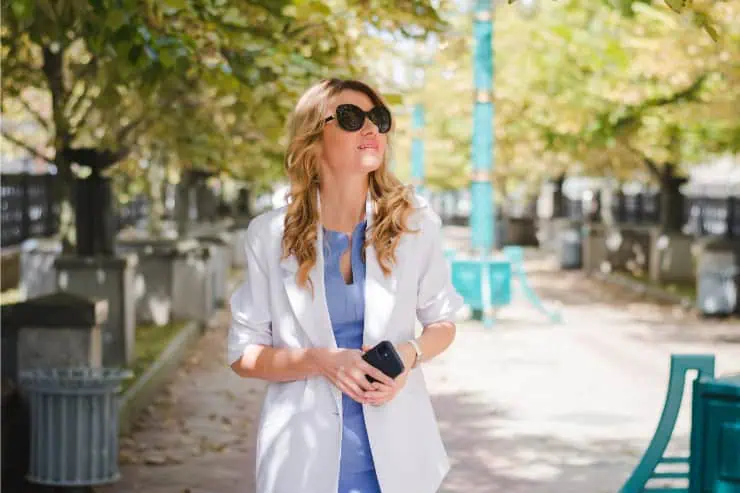
Modern style leans toward ease, but total casualness can appear underdressed. Structured yet soft pieces naturally bridge relaxed and refined. A softly tailored coat over knitwear, or fluid trousers with a shaped waistband, keeps the outfit elevated without formality. The wearer looks prepared rather than overdressed. This balance is especially valuable in mixed-context lives work, travel, social settings where clothing must transition smoothly. The aesthetic reads intentional yet approachable, which is why it’s favored by women whose style appears effortless rather than styled.
4. It Flatters Changing Bodies Gracefully
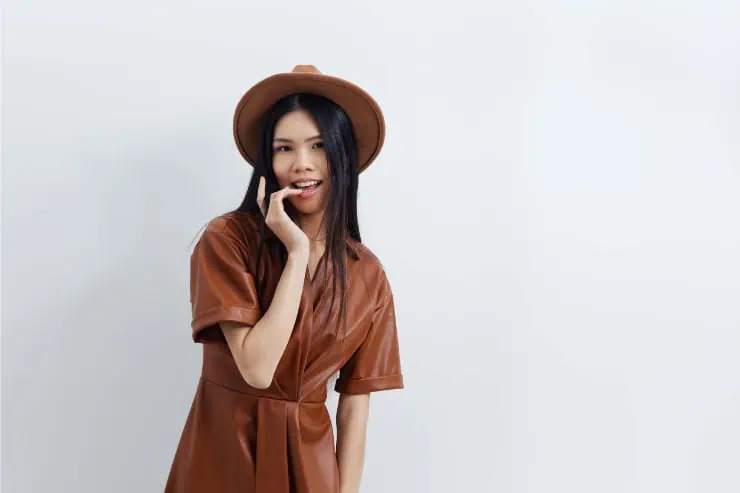
Bodies evolve with age, lifestyle, and natural variation. Highly rigid garments resist these changes, while shapeless ones hide them. Structured-yet-soft clothing adapts. Gentle stretch, forgiving seams, and flexible shaping accommodate movement and contour shifts without losing silhouette. The garment moves with the wearer instead of against her. This adaptability preserves proportion and confidence across size fluctuations or posture changes. Because the structure is subtle, it supports rather than constrains. Many women find these pieces remain flattering longer than purely tailored or purely relaxed alternatives.
5. It Creates Effortless Visual Cohesion
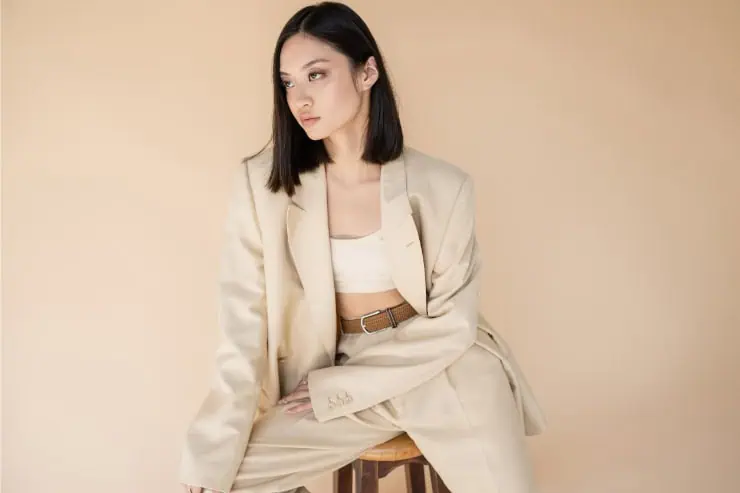
Outfits built from structured-yet-soft pieces tend to harmonize automatically. When each garment shares similar tension neither stiff nor slouchy the overall silhouette looks cohesive. Mixing extremes often causes imbalance, like pairing rigid tailoring with oversized softness. Structured-yet-soft wardrobes avoid that clash. Lines flow smoothly from shoulder to hem, fabrics relate, and proportions stay readable. The result is the elusive “put-together without trying” effect. Observers perceive polish, but the wearer feels comfort. This quiet cohesion is why stylish women rely on these pieces repeatedly they simplify dressing while elevating appearance.