Style in your 60s often shifts from trend driven dressing to comfort, practicality, and familiarity. But in that transition, many women unintentionally adopt habits that dull their presence rather than enhance it. The goal isn’t to look younger it’s to look clear, intentional, and proportionate. As bodies change, posture softens, and lifestyles evolve, clothing needs to adapt in structure, scale, and color. Yet many wardrobes stay frozen in past formulas or swing too far toward shapeless ease. The result is clothing that feels safe but reads visually heavy, dated, or disconnected from the wearer. Recognizing the most common styling errors after 60 helps restore polish without sacrificing comfort or authenticity.
Table of Contents
1. Choosing Shapeless Comfort Over Gentle Structure
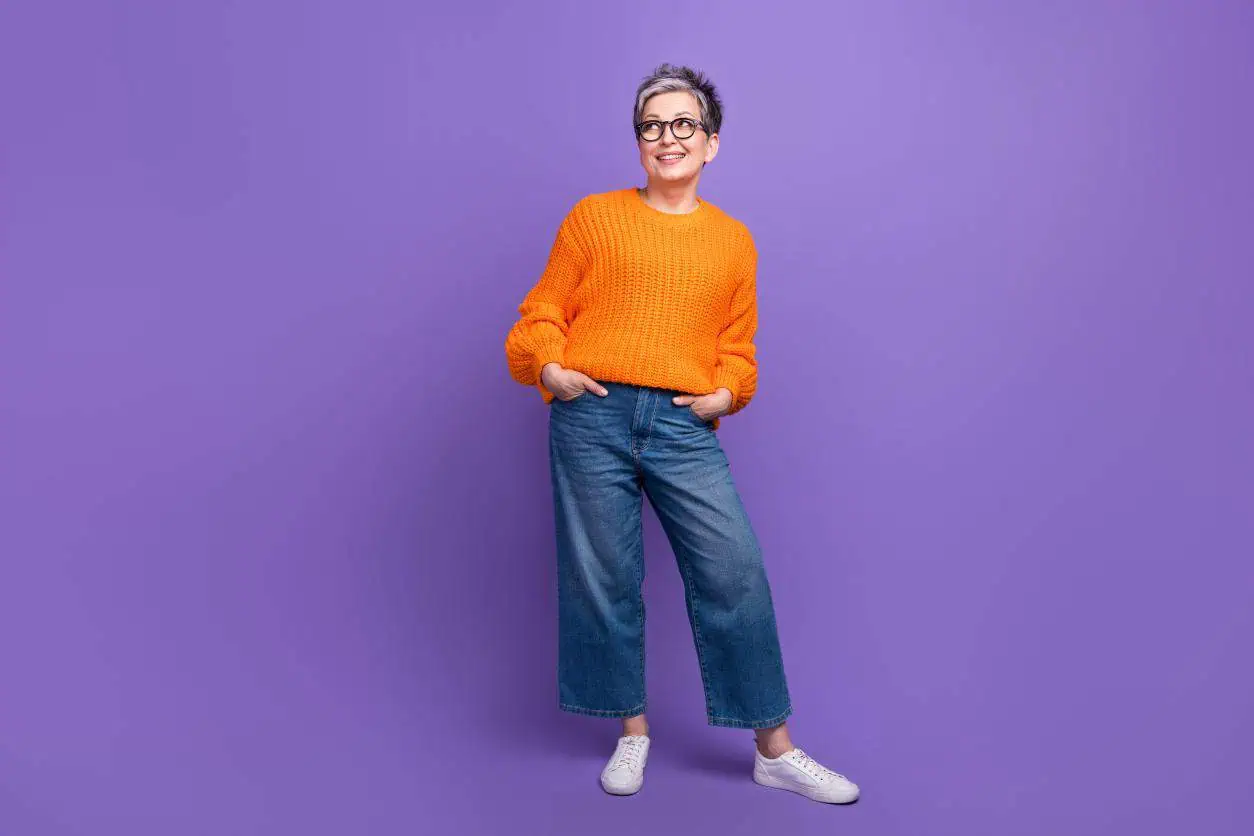
Comfort is essential, but when garments lose all shape boxy tunics, oversized knits, loose elastic waist trousers the body’s outline disappears. This can make posture look softer and proportions less defined. Gentle structure doesn’t mean tightness; it means subtle shaping at the shoulder, waist suggestion, or vertical line that follows the body lightly. Without this, clothing reads passive rather than intentional. Many women adopt volume to hide areas they’re unsure about, but excess fabric often magnifies rather than disguises. Shape clarity restores elegance while remaining comfortable.
2. Wearing Outdated Proportion Combinations
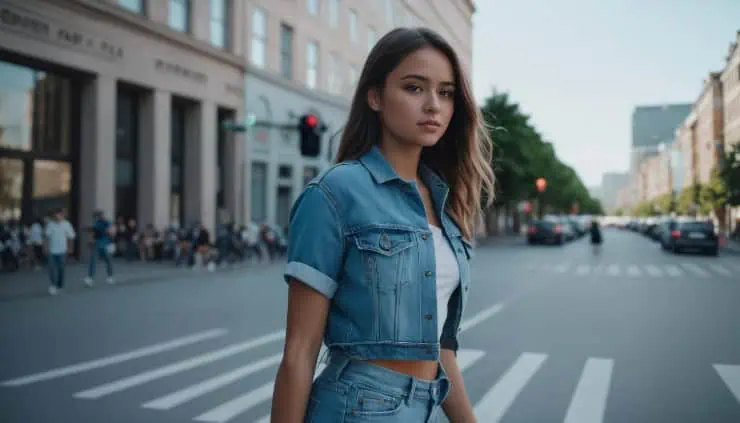
Silhouette formulas from past decades long tunic over full pants, cropped jacket over wide skirt, bulky sweater with straight trousers can feel familiar but visually dated. Proportion trends evolve slowly, so older combinations signal era even when garments are new. Today’s balanced dressing often pairs volume with slimness or maintains clean vertical lines. When both top and bottom are equally loose or equally heavy, the outfit lacks contrast and definition. Updating proportion relationships modernizes appearance without changing personal style.
3. Defaulting to Dark, Muted Colors
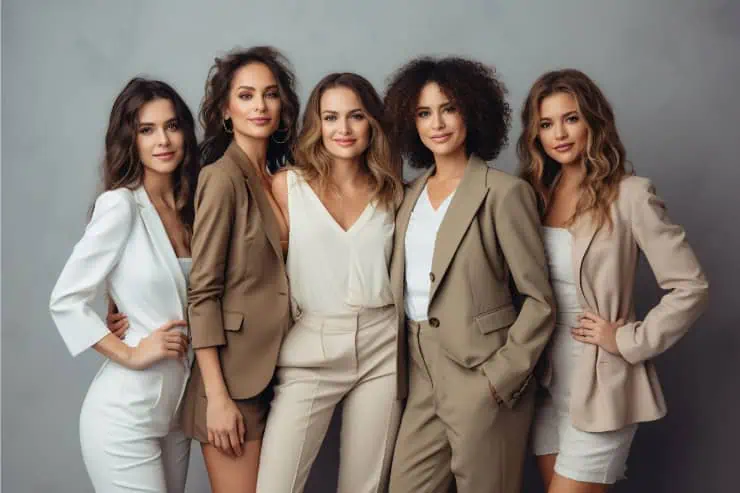
Many women gradually move toward black, navy, brown, or muted neutrals for practicality and perceived sophistication. However, skin tone often softens and lightens with age, reducing contrast between face and clothing. Very dark colors near the face can emphasize shadows and drain vitality. This doesn’t mean abandoning neutrals it means adjusting value and warmth. Mid-tones, softened brights, or lighter neutrals reflect more light onto the face. When wardrobes stay uniformly dark, the overall impression becomes heavier and less luminous.
4. Ignoring Shoulder and Upper Body Structure

As posture changes over time, shoulder line becomes even more important for visual lift. Many comfortable garments cardigans, pullovers, drop-shoulder tops remove this structure entirely. Without a defined shoulder point, the upper body appears rounded and less upright. Even slight shoulder shaping or seam placement can restore presence and balance. When the shoulder collapses, everything below looks less tailored, regardless of fit. Maintaining this anchor keeps clothing aligned with the body rather than draping passively over it.
5. Overlayering Without Clear Lines

Layering for warmth or modesty is common, but multiple soft layers top, cardigan, scarf, vest can blur silhouette and shorten the body visually. Each added piece interrupts vertical flow, creating horizontal breaks. When fabrics are similar in weight and color, the layers merge into a bulky mass. Strategic layering uses contrast in length or structure so lines remain readable. Without that clarity, outfits feel heavy and indistinct, hiding rather than framing the wearer.