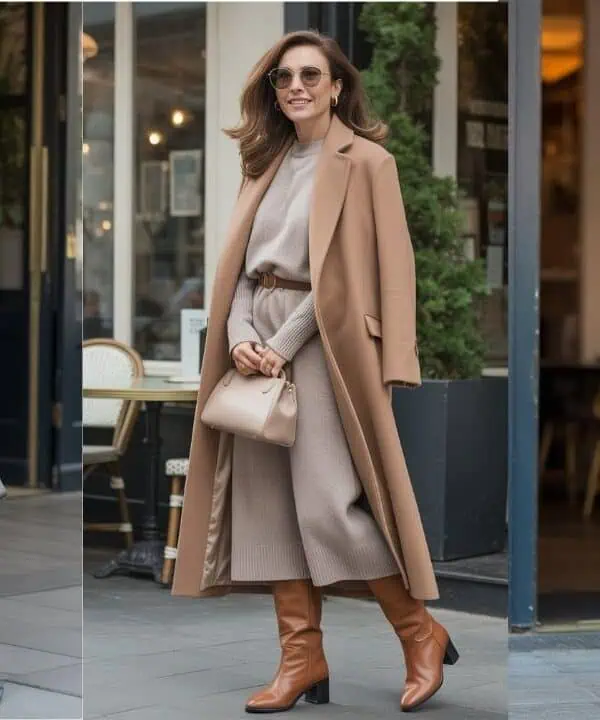
Effortless style is often mistaken for ease or speed, but it’s neither. The outfits that look the most natural are usually the most deliberate. They work because the wearer understands proportion, edits thoughtfully, and dresses with intention rather than impulse. When an outfit feels forced, it’s rarely because of one wrong item. It’s more often the result of too many small misalignments fit that doesn’t support the body, competing focal points, or styling that feels disconnected from the wearer’s life. Effortless dressing is less about trends and more about coherence. When everything in an outfit makes sense together, the result feels calm, confident, and unstudied.
Table of Contents
1. Effortless Outfits Start With Balanced Proportion
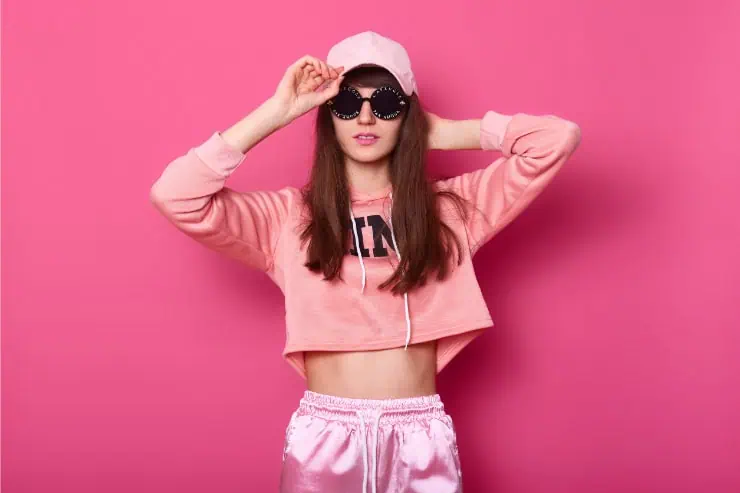
Proportion is the quiet backbone of effortless dressing. Outfits feel natural when the relationship between tops, bottoms, and layers is visually balanced. When proportions are ignored, even expensive or fashionable pieces can look awkward. A long, loose top over slim pants, heavy layers stacked together, or oversized silhouettes worn head to toe often make an outfit feel labored rather than relaxed. Effortless outfits usually emphasize one dominant shape and keep the rest controlled. This could mean pairing wide leg trousers with a refined top or balancing a voluminous sweater with tailored pants. When the eye moves smoothly across an outfit, it reads as calm and confident rather than overworked.
2. Effortless Looks Rely on Fewer, Clearer Ideas
Outfits that feel forced often try to communicate too many ideas at once. Multiple statement pieces, bold colors, layered accessories, and strong silhouettes competing for attention create visual noise. Effortless outfits are edited. They usually have one clear focal point and allow the rest of the pieces to support it quietly. This doesn’t make the look boring it makes it intentional. The wearer isn’t asking for attention; the outfit simply earns it. Knowing when to stop adding is a skill that separates effortless style from over-styling. Restraint creates confidence, and confidence always reads as ease.
3. Fabric and Movement Matter More Than Trends
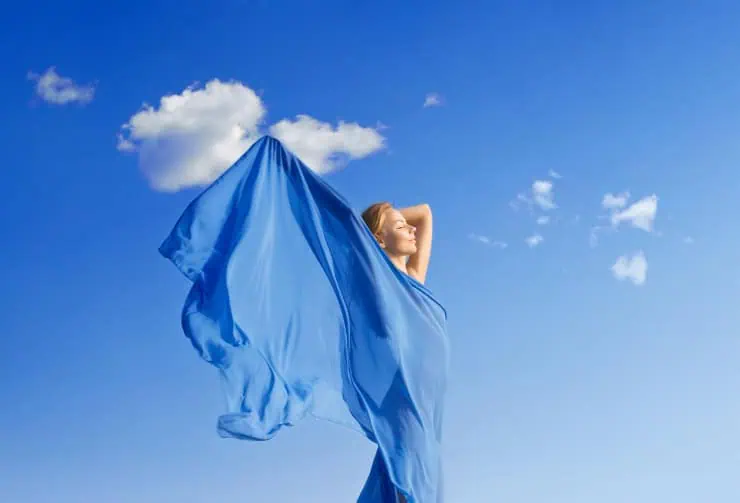
One of the biggest differences between effortless and forced outfits is how the clothing moves. Stiff, overly structured fabrics can make outfits feel rigid and uncomfortable, especially when worn head to toe. Effortless outfits often incorporate fabrics that drape, flow, or respond naturally to the body. Movement adds softness and humanity to a look. This doesn’t mean everything should be loose or casual it means fabrics should work with the body rather than fight it. When clothing looks comfortable in motion, it suggests the wearer belongs in it. That natural harmony is what makes an outfit feel lived-in rather than costume-like.
4. Effortless Style Aligns With Real Life
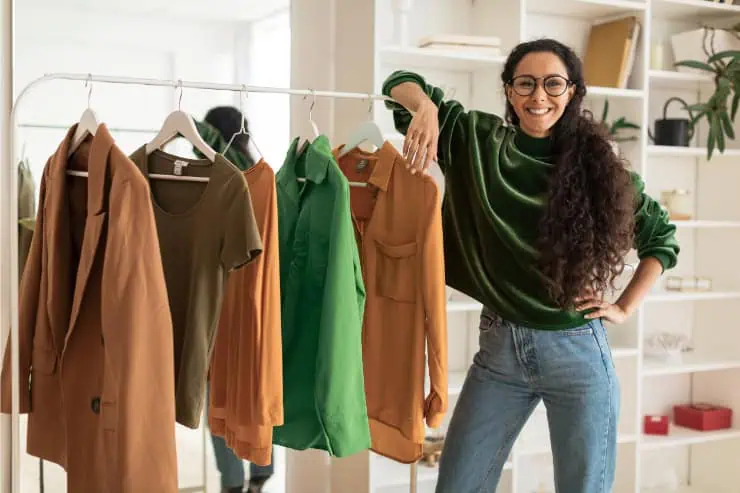
Outfits look effortless when they make sense for the wearer’s lifestyle. Clothing that doesn’t align with daily activities, environment, or personality often feels performative. When someone dresses in a way that suits their actual life, the outfit looks natural because it is. Shoes that support movement, layers that suit the weather, and silhouettes that allow comfort all contribute to ease. Effortless outfits don’t require constant adjusting or self-consciousness. They allow the wearer to move through the day comfortably. When clothing supports real life instead of fighting it, the result feels confident and authentic.
5. Effortless Outfits Avoid Over Styling
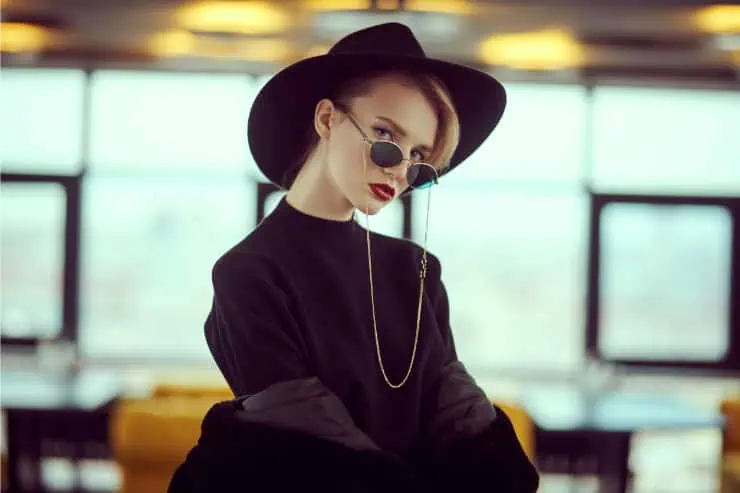
Over-styling is one of the fastest ways an outfit loses its ease. Excessive accessories, overly coordinated pieces, or obvious trend stacking can make a look feel like it’s trying to prove something. Effortless outfits don’t over explain themselves. They trust simplicity, good fit, and thoughtful choices. Often, removing one accessory or simplifying one layer instantly improves the look. Effortless style thrives on editing. The confidence comes from knowing what doesn’t need to be there. When an outfit feels slightly undone, it often looks more modern and intentional than one that’s perfectly styled from head to toe.
6. Effortless Dressing Comes From Knowing What Works
People who dress effortlessly usually repeat silhouettes, colors, and outfit formulas that they know work for them. They aren’t constantly experimenting or second guessing. This familiarity creates ease because decisions are already made. When you trust your choices, it shows. Effortless outfits feel calm because the wearer isn’t adjusting, tugging, or questioning their look. Over time, repetition builds clarity. Effortless style isn’t about creativity every day it’s about refinement. Knowing what flatters you allows you to get dressed quickly without sacrificing polish.