Fashion moves fast, but some trends burn bright and burn out even faster. What once felt decisive, exciting, or “on point” can suddenly look dated or worse, try-hard. In 2026, stylists, editors, and designers are collectively declaring that certain wardrobe staples have run their course. These aren’t about individual preference or opinion; they reflect a broader shift in how people want to dress: less visibly performative, more intentional, and far less about chasing every trend cycle. The trends on this list have dominated for too long, saturated every feed, or simply reached the end of their visual lifespan. Here’s what fashion experts say is officially over and what to wear instead.
Table of Contents
1. Shoulder Pads That Dominate Silhouettes
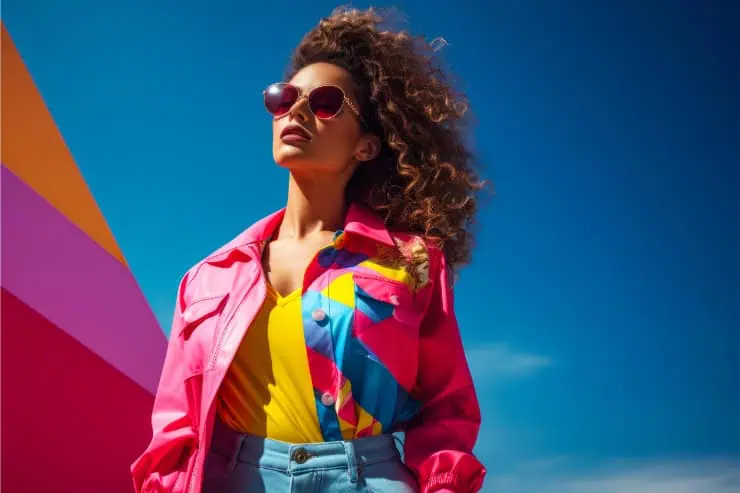
While shoulder pads once symbolized power and modernity, oversized, exaggerated shoulders are now officially out. Experts say the era of padded, structured shapes that widen the frame has peaked. In 2026, the focus has shifted toward more natural shoulder lines and softer tailoring that respects the body’s shape rather than exaggerating it. The extreme proportions that once felt authoritative can now overwhelm outfits and age them. Instead, stylists recommend light shoulder detailing or relaxed tailoring that enhances comfort and movement without creating visual bulk.
2. Overly Distressed Denim
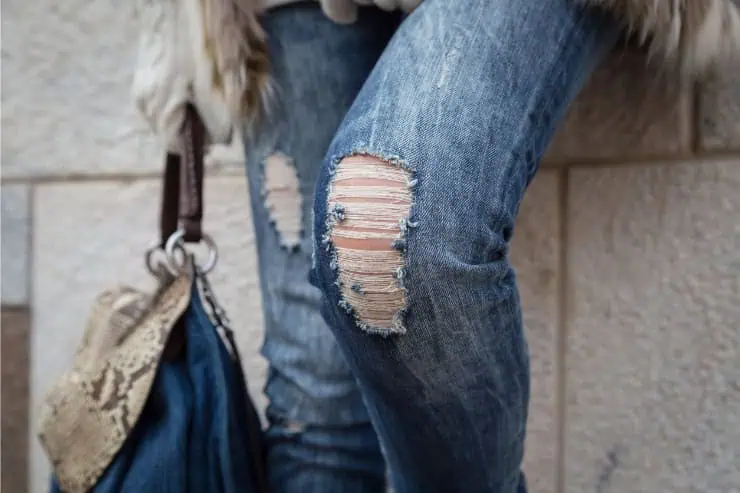
Ripped, shredded, and extreme distressed denim has saturated fashion for years but its moment is fading. Experts note that denim with heavy distressing now reads as dated and overtly casual. In contrast, cleaner washes, subtle whiskering, and classic tailoring are gaining traction for their sophistication and versatility. These more polished denim styles more easily integrate with varied wardrobes from workwear to evening looks without feeling out of place. The trend toward refinement signals that denim no longer needs visual noise to feel contemporary.
3. Logomania As a Dominant Statement
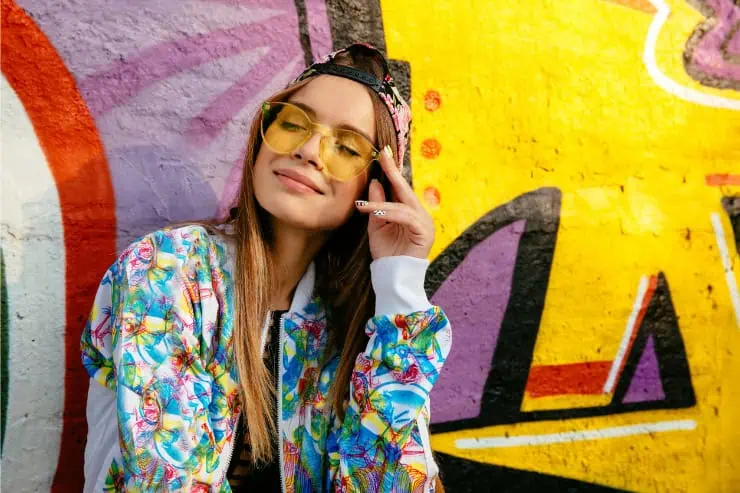
Logo-driven fashion where brand names and monograms dominate outfits is officially cooling off. What once served as visible status signaling now feels overly familiar and predictable. Experts emphasize that personal style is shifting away from overt branding toward quieter, more intentional signals of quality and design. Subtle embossing, thoughtful details, and craftsmanship are replacing giant logos as markers of style. This doesn’t spell the end for designer fashion only for the era when logos were the primary point of the look.
4. Micro Trend Footwear That Prioritizes Novelty
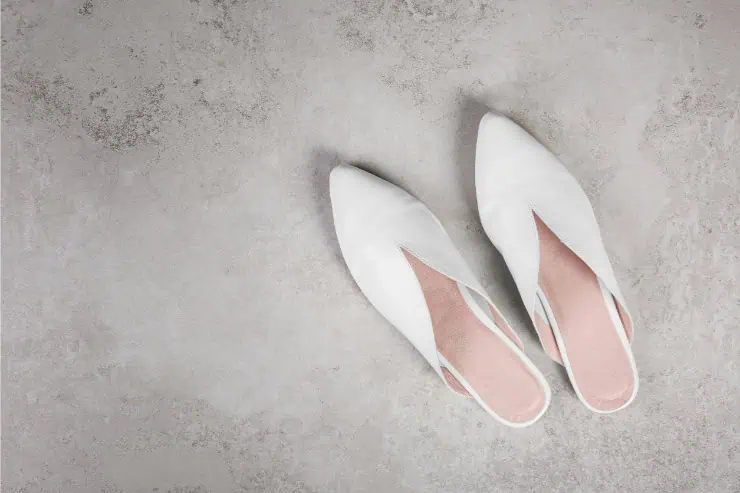
Micro-trend shoes exaggerated shapes, novelty soles, or gimmicky details are losing their appeal. In the last few seasons, sneakers and heels designed purely for attention have started to feel out of place next to wardrobes that emphasize ease and balance. Experts point out that shoes with calming proportions, refined lines, and intentional function are becoming the go-to. Comfort combined with polish is preferred over footwear that screams trend at the expense of wearability. This trend shift favors shoes that feel timeless rather than topical.
5. Ultra Mini Skirts as Default Bottoms
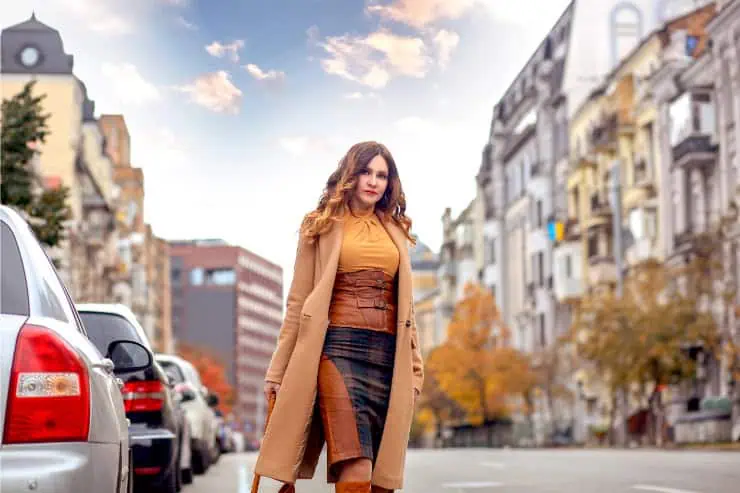
Ultra-mini skirts dominated fashion “must lists” for years, but in 2026 they’re being dialed back. Experts note that while short hemlines still have a place, the ubiquitous mini is giving way to midi and knee lengths that feel more versatile and wearable for everyday life. Longer skirts offer balance, ease, and adaptability across contexts. Midi and knee lengths can be styled with boots, flats, or heels without feeling extreme, making them more relevant to wardrobes that prioritize longevity over momentary hype.