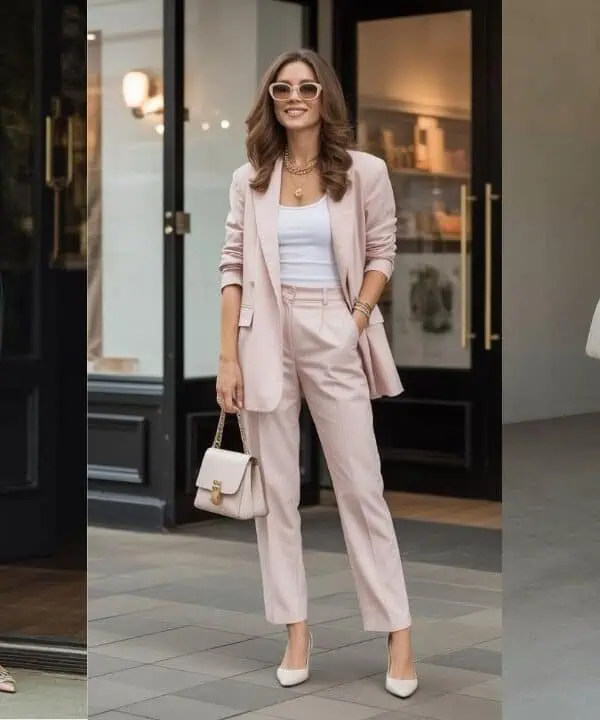
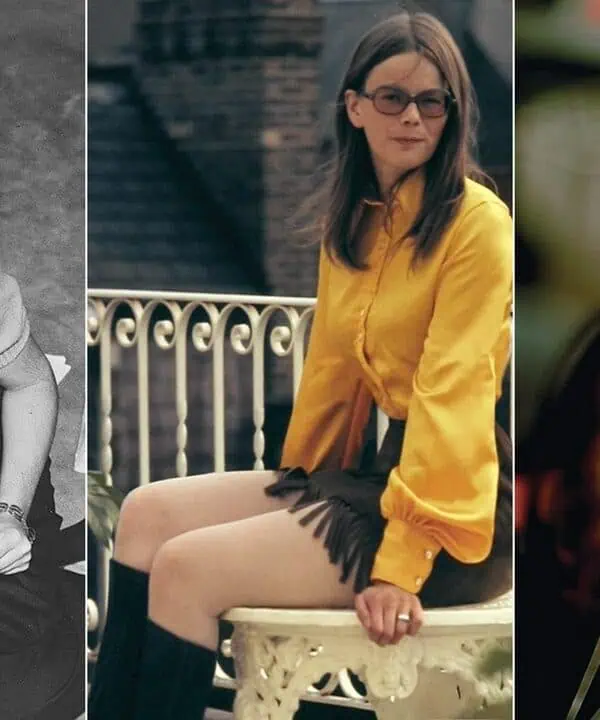
Many women rely on long standing fashion rules to simplify getting dressed ideas like always matching accessories, avoiding volume, or sticking to dark colors to look slim. While these guidelines once had practical roots, rigidly following them today often creates outfits that feel stiff, dated, or visually unbalanced. Modern style is less about strict coordination and more about proportion, contrast, and intentional mixing. When every element follows the same predictable formula, the eye has nowhere to travel, and the overall look can appear heavy or flat. True balance in an outfit comes from thoughtful variation fitted with relaxed, matte with sheen, light with depth.
Table of Contents
1. “Everything Must Match Perfectly”

Perfect matching shoes identical to the bag, belt identical to both, jewelry in the same tone was once considered polished dressing. Today, it often reads overly coordinated and visually rigid. When all accessories blend into a single color block, they stop adding dimension and instead flatten the outfit. The eye doesn’t move naturally because there’s no contrast or hierarchy among elements. Modern balance comes from cohesion rather than duplication: tones that relate but aren’t identical, metals that mix subtly, or textures that differ within a similar palette. A tan bag with chocolate shoes or gold jewelry with a warm neutral belt creates harmony without monotony. Slight variation keeps the outfit dynamic and layered.
2. “Loose Clothes Hide Problem Areas”
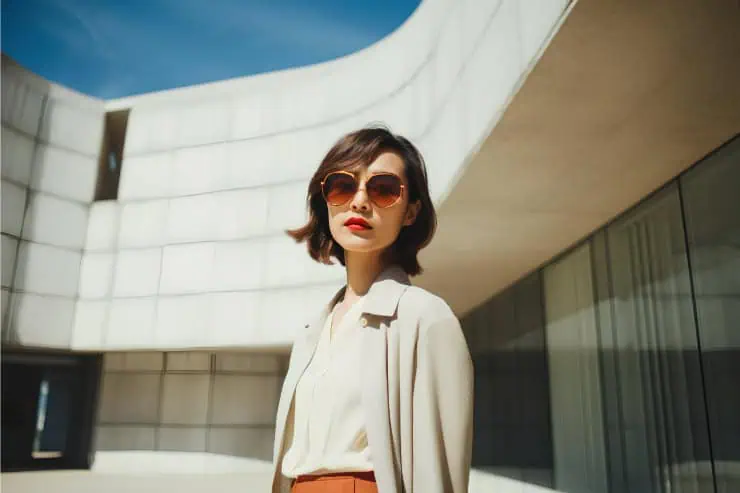
Wearing loose garments head-to-toe is often recommended to conceal weight changes or body concerns. In reality, all over looseness removes structure and makes the silhouette appear larger and undefined. Without any fitted point, the eye can’t locate shape, so the body reads as one broad mass rather than balanced proportions. This is why outfits composed entirely of oversized pieces often feel heavy or sloppy despite comfort. Visual balance comes from contrast in volume pairing relaxed with tailored or fluid with structured. A draped top with straight trousers or wide-leg pants with a defined waist restores proportion while still feeling easy.
3. “Dark Colors Are Always Slimming”
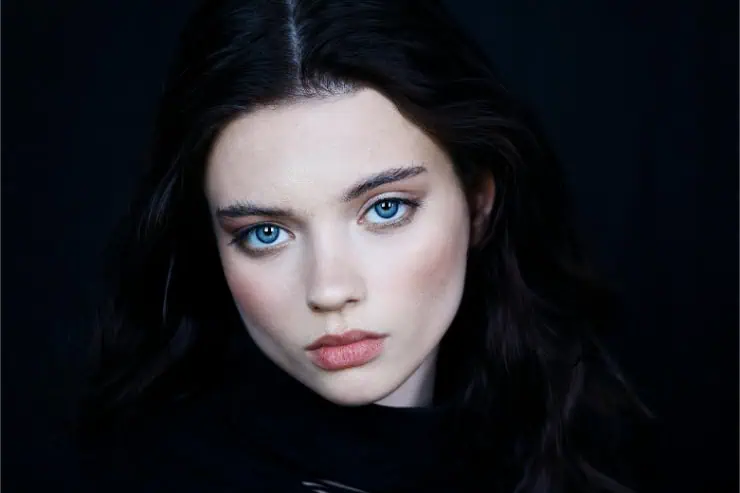
Dark shades can create depth, but relying on them exclusively often produces flat, heavy outfits lacking dimension. When every piece is dark especially in thick fabrics the eye perceives a continuous block with no contour or light reflection. Instead of slimming, this can make the body appear denser and less defined. Balance in color works the same way as balance in shape: variation matters. Introducing mid-tones, subtle contrast, or lighter elements creates visual breaks that outline the figure naturally. Even within a dark palette, mixing textures or tonal shifts adds movement and shape. Slimming isn’t just about darkness; it’s about how light and shadow interact across the outfit.
4. “Long Layers Always Elongate”
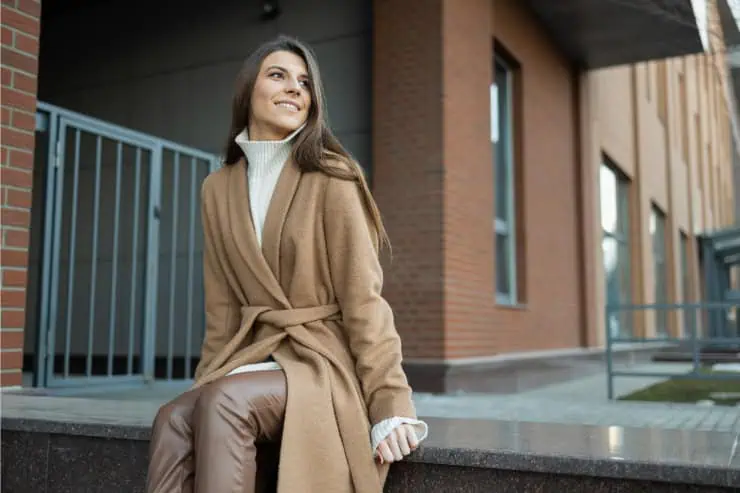
Long cardigans, tunics, and jackets are frequently suggested to create vertical lines and lengthen the body. While verticality can elongate, excessive length without structure often overwhelms proportions instead. When layers extend too far past the natural hip or thigh without taper or shape, they drag the eye downward and shorten the visible leg line. This effect is especially noticeable on petite or mid-height frames. Balance requires considering where layers end and how they relate to the body’s natural divisions. Cropped or mid-thigh layers often maintain vertical flow while preserving leg length. A slightly shaped long layer can also guide the eye rather than weigh it down.
5. “Statement Pieces Should Stand Alone”

A common rule suggests that if one item is bold like a statement necklace or bright shoe everything else should be minimal. While this avoids excess, it can also isolate the focal point so strongly that it looks disconnected from the outfit. Balance comes from echo, not competition. When a statement element is subtly reinforced elsewhere through a related tone, texture, or small detail it feels integrated rather than random. For example, a bold necklace paired with earrings in a similar finish or shoes that echo a color from the top creates cohesion.