As women get older, they’re often told to follow a strict set of fashion “rules” designed to look slimming, modest, or age-appropriate. But many of these so-called flattering choices actually do the opposite adding bulk, draining color, or hiding shape in unhelpful ways. The truth is, style after 50 or 60 isn’t about covering up or playing safe; it’s about balance, proportion, and confidence. Some garments that seem practical or forgiving can unintentionally make outfits look dated or heavier than they are. If your wardrobe feels frumpy despite your best efforts, these common misconceptions may be the reason. Here are the pieces many believe flatter mature women but often don’t and why reconsidering them can instantly modernize your look.
Table of Contents
1. Oversized Tunics That Swallow Your Shape
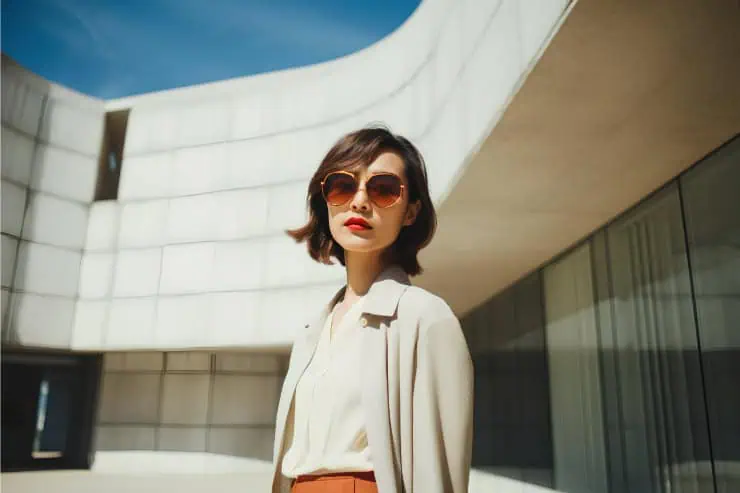
Loose tunics are frequently recommended for older women because they seem comfortable and forgiving around the midsection. However, when a top hangs straight from bust to hip with no structure, it often erases natural body lines and creates a boxy silhouette. Instead of camouflaging areas you may feel self-conscious about, it can actually make the torso appear wider and shorter. This effect is especially noticeable on petite or curvy frames, where excess fabric bunches or pulls awkwardly. A better approach is gentle shaping soft draping, strategic seams, or slight waist definition so the garment skims rather than tents. The goal isn’t tightness but proportion.
2. Elastic Waist Pants That Add Bulk
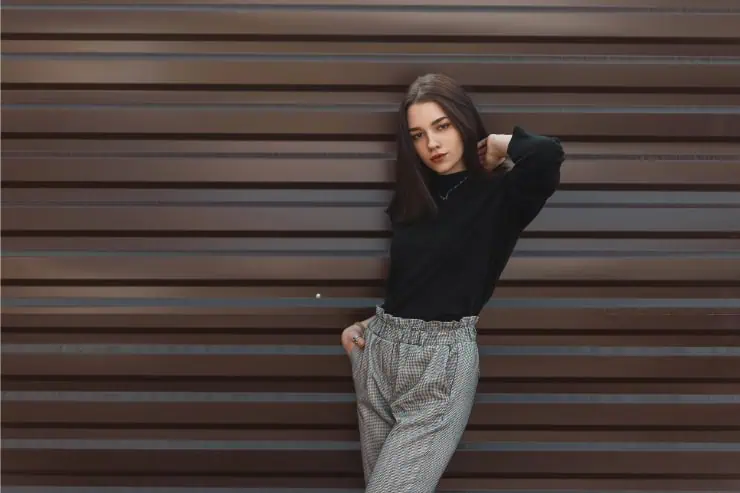
Elastic waist trousers are often marketed as ideal for comfort and ease, but they frequently gather fabric around the stomach and hips, creating visual fullness. The waistband puckering interrupts smooth lines, making tops sit unevenly and drawing attention to the midsection instead of minimizing it. This can give outfits a casual or dated feel even when paired with nicer pieces. A flat-front pant with a touch of stretch or a partially elastic back waistband offers the same comfort without sacrificing structure. Smooth waistlines allow tops to drape cleanly and elongate the leg line, which is far more flattering overall.
3. Long, Shapeless Cardigans
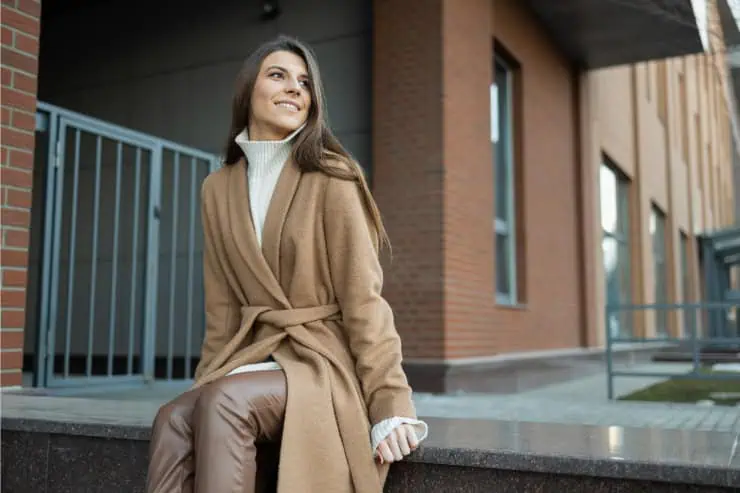
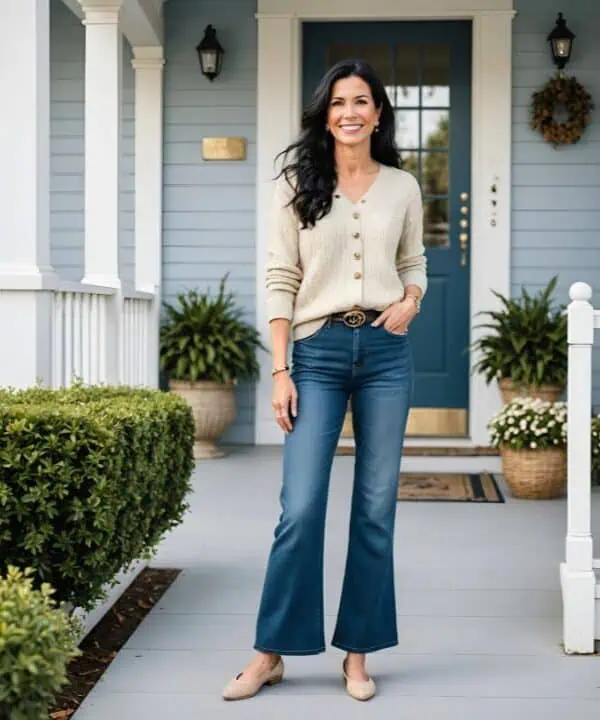
Many style guides suggest long cardigans to “slim” the body by creating vertical lines. While this can work in theory, shapeless versions without closure or structure often drag down the frame instead. When the knit hangs straight from shoulder to hem, it adds visual weight and can make posture appear slouched. The extra length may also cut the leg line at an awkward point, shortening overall proportions. For mature women especially, too thin knits can cling while heavier ones can overwhelm. A more flattering alternative is a cardigan with some architecture defined shoulders, a belt option, or a slightly tapered cut.
4. High Neck Blouses That Close Off the Upper Body
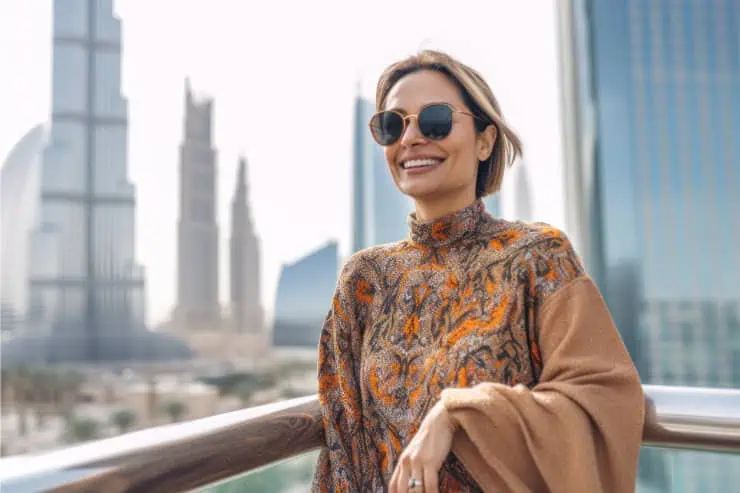
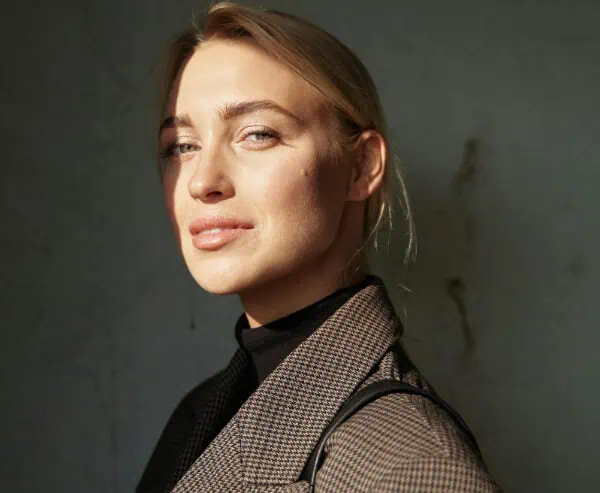
High necklines are often considered modest and elegant for older women, yet they can unintentionally shorten the neck and emphasize fullness in the bust or upper torso. When fabric rises too high on the chest, it creates a block of material that visually compresses the upper body and reduces light reflection near the face. This can make features look heavier or more shadowed. Softer open necklines such as gentle V necks, scoop necks, or relaxed collars restore vertical space and brightness, drawing attention upward instead of across. The effect is subtle but rejuvenating: the face appears lifted, and the torso looks longer.
5. Dark, Heavy Fabrics Used to “Slim”
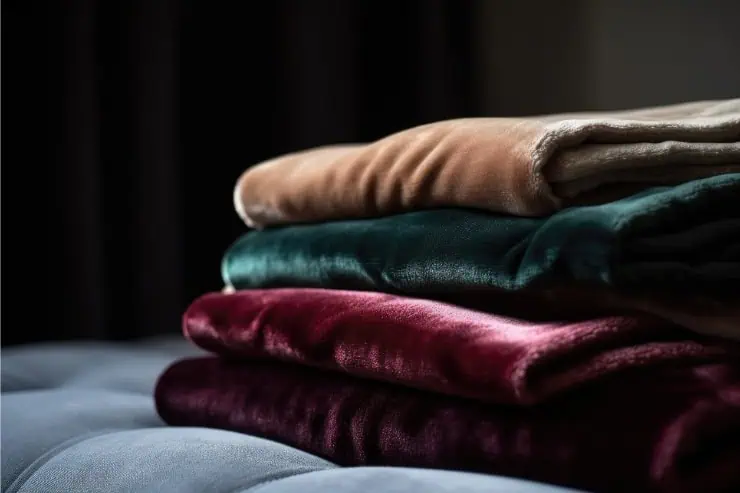
Black and other dark shades are widely believed to be universally slimming, so many older women rely heavily on them. However, thick dark fabrics especially in matte or bulky textures can actually add visual density rather than reduce it. Without contrast or lightness, outfits may appear flat, heavy, or severe. This is particularly true in winter, when layers compound the effect. Strategic color variation or lighter-weight materials often create a more flattering result than defaulting to darkness. Mid-tones, soft neutrals, or fabrics with gentle drape maintain sleekness while reflecting light in a way that contours the body naturally. Slimming isn’t only about color depth; it’s about flow and dimension.