In the ’80s and ’90s, certain clothing brands didn’t just shape fashion, they defined it. These labels were proudly worn in school photos, weekend mall trips, and suburban backyards. Teens and young adults gravitated to these names for everything from ultra-wide jeans and pastel windbreakers to slogan tees and preppy basics. But fashion, like culture, is constantly evolving. Many of these once-ubiquitous brands have faded from mainstream view, surviving only in vintage shops or memory.
Table of Contents
1. Mudd Jeans

Mudd Jeans exploded in popularity in the late ’90s, appealing to teen girls with its flared silhouettes, embellished back pockets, and stretchy low-rise designs. Found in stores like Kohl’s and JCPenney, Mudd was the cool girl’s alternative to traditional denim, blending style with affordability. Its distinct look was synonymous with school dances, locker hallways, and after-school hangouts. As fashion moved into cleaner, more minimalist territory in the 2000s, Mudd’s ultra-trendy flair felt dated. Though it still exists in limited retail, its dominance has vanished. Mudd now serves as a nostalgic reminder of turn-of-the-century teen style and mall-culture fashion.
2. Calvin Klein (CK) Jeans
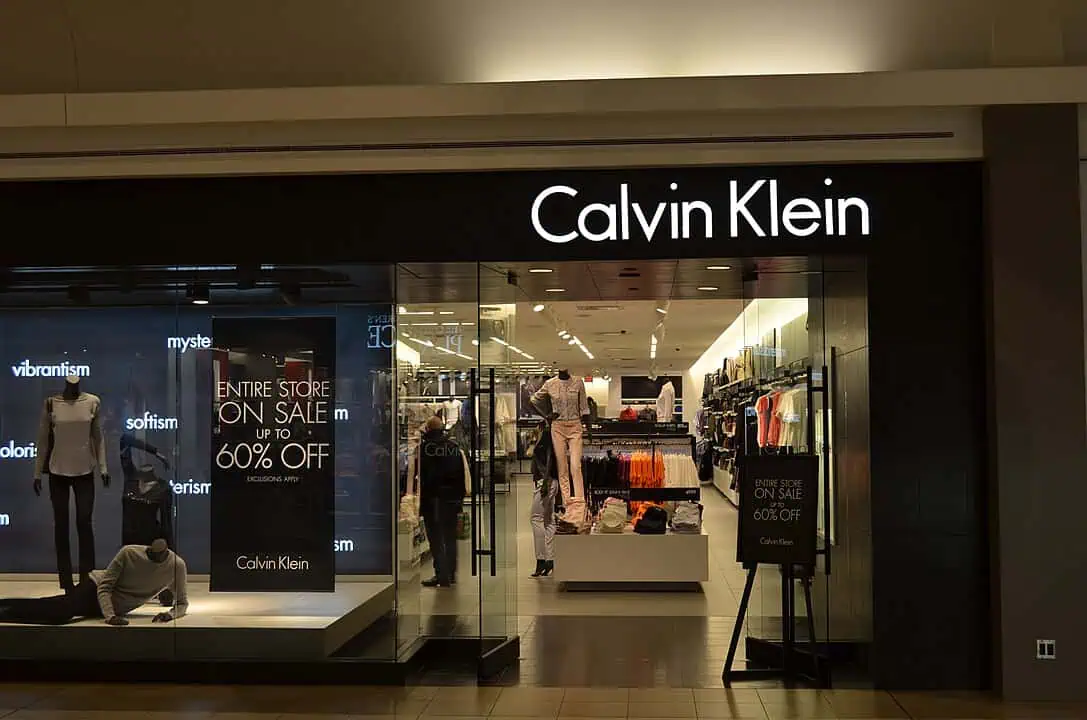
CK Jeans was one of the biggest fashion forces of the ’90s, propelled by sultry ad campaigns featuring Kate Moss and Mark Wahlberg. The clean-cut denim symbolized effortless sex appeal and youthful rebellion wrapped in minimalism. Calvin Klein made jeans feel high-end yet accessible, balancing designer branding with mass-market appeal. Teens and adults alike wore the label as a fashion badge of cool sophistication. While Calvin Klein as a brand still exists, the iconic CK Jeans moment has passed. Its original ’90s cultural impact is hard to replicate, and today it’s mostly referenced as a peak-era icon of designer denim.
3. Generra
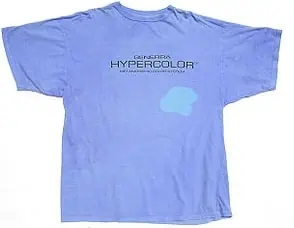
Best known for introducing Hypercolor, heat-sensitive fabric that changed color, Generra was a standout in late ’80s and early ’90s casualwear. The brand was originally rooted in clean, pastel basics and oversized tops that reflected the relaxed style of the era. But Hypercolor became both a breakthrough and a curse; the novelty faded quickly, and the brand couldn’t sustain the hype. Despite attempts to revive it, Generra never regained its former status. It now exists as a quirky footnote in fashion history, remembered mainly for a viral gimmick that, for a brief time, captivated every middle school across America.
4. Esprit
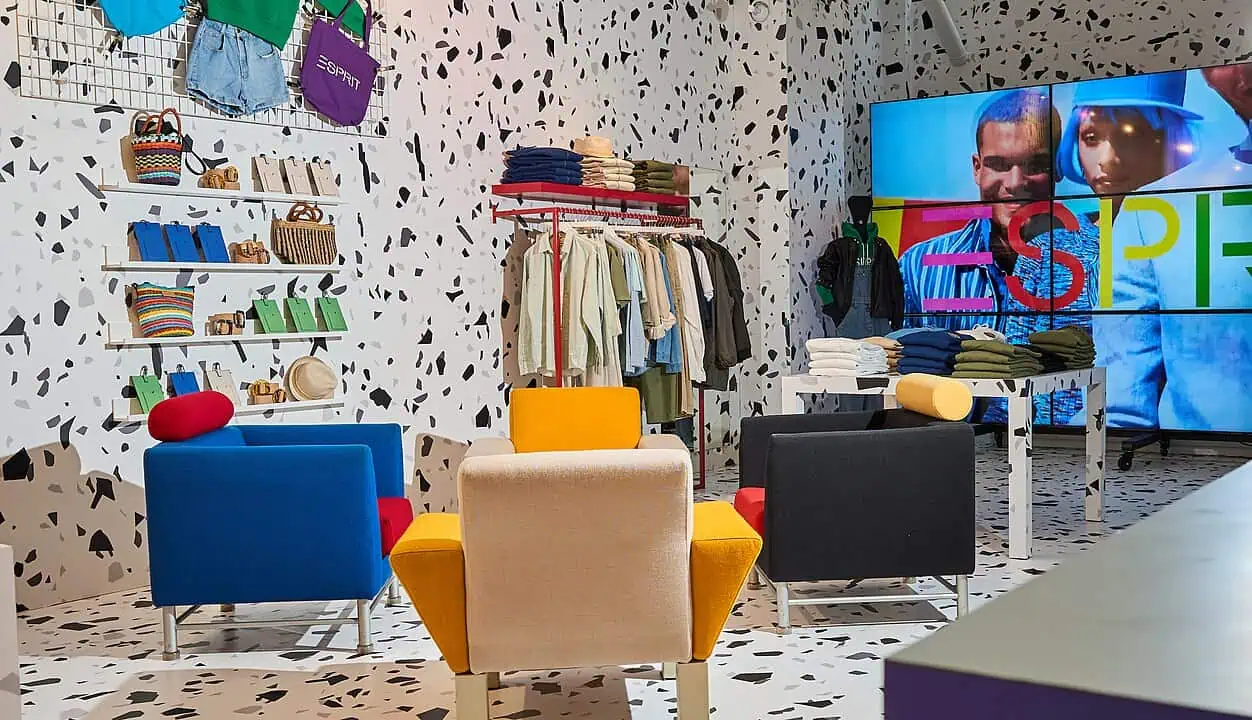
With its bold graphics, bright colors, and inclusive advertising, Esprit was the essence of global ’80s casual fashion. The San Francisco-based brand appealed to socially conscious youth with a Euro-American hybrid aesthetic. Their unisex pieces, oversized sweaters, and vibrant jackets made them a staple in malls around the world. Esprit also stood out for its progressive branding and emphasis on diversity. However, inconsistent marketing and an identity crisis in the 2000s led to its decline. While Esprit has attempted multiple comebacks, it has never reclaimed its former influence.
5. Camp Beverly Hills
Launched in 1977, Camp Beverly Hills peaked in the ’80s with pastel tracksuits, ringer tees, and a breezy California vibe that became a sensation nationwide. The brand brought a taste of Hollywood luxury to the masses with its playful, casual style. Its candy-colored logo and soft fabrics made it a go-to for relaxed weekend wear. Though it experienced brief revivals in the 2000s and again in the early 2020s, it never fully took off with newer generations.
6. JNCO
JNCO, short for “Judge None, Choose One”, became legendary in the mid-’90s for its dramatically oversized jeans with enormous leg openings. The brand quickly became a symbol of skate, rave, and underground youth subcultures. Teens paired JNCOs with chain wallets and graphic tees, making a loud, rebellious fashion statement. Despite peaking in the mid-to-late ’90s, the brand couldn’t adapt to the rising popularity of slim jeans and cleaner silhouettes. JNCO made several relaunch attempts, but none recaptured the magic.
7. No Fear

No Fear was a streetwear brand with attitude, taking off in the ’90s thanks to its bold slogans and extreme-sport-inspired aesthetic. Its T-shirts and caps, emblazoned with aggressive, motivational sayings, became a rite of passage for rebellious teens. It appealed to skaters, BMX riders, and anyone who wanted to look tough and live fast. For a while, No Fear was everywhere, from locker rooms to NASCAR. However, the brand’s edgy style quickly became overexposed, and newer labels took its place.
8. Clothestime

Clothestime was a fashion haven for budget-conscious women in the ’80s and ’90s, offering trendy looks for less. With hundreds of stores nationwide, it was known for its flashy window displays and ever-changing inventory. Teens flocked there for clubwear, floral dresses, and slinky tops that mimicked high fashion at wallet-friendly prices. Its rapid rise was fueled by mall culture, but competition from fast fashion retailers and poor business decisions led to its downfall. By the early 2000s, Clothestime filed for bankruptcy and disappeared from the fashion map.
9. United Colors of Benetton

Benetton gained fame not just for fashion, but for its provocative, socially driven advertising campaigns. The Italian brand’s vibrant sweaters, crisp polos, and mix-and-match color schemes appealed to cosmopolitan teens and college students in the late ’80s and early ’90s. Benetton stores were fixtures in malls worldwide, and the brand stood for global youth unity. However, a decline in marketing relevancy and growing competition dimmed its popularity. Despite remaining operational, its cultural cachet has significantly faded.
10. LA Gear
LA Gear was once the pinnacle of fashionable athletic footwear. Blending performance with flashy design, it stood out for metallic colors, glittery finishes, and its signature high-tops with lights in the soles. In the late ’80s and early ’90s, celebrities like Michael Jackson endorsed the brand, fueling its meteoric rise. LA Gear became a statement shoe for kids and teens wanting more than basic sneakers. Unfortunately, overexpansion and poor financial management led to its bankruptcy by the late ’90s.
11. Delia’s

Delia’s was the mail-order bible for teen girls in the late ’90s and early 2000s. Its catalogs were filled with quirky, bright clothes that catered to Y2K fashion—platform sandals, graphic tees, baby tees, and butterfly clips. The brand helped define a generation’s after-school and weekend wardrobe, capturing the pre-teen and teen market with charm and personality. Its blend of sass, sarcasm, and style felt empowering to its young audience.
12. Britches of Georgetown
Once a prestigious name in American menswear, Britches of Georgetown began as a high-end boutique in Washington, D.C., offering upscale preppy styles. It expanded quickly across the country in the ’80s, known for tailored chinos, button-downs, and quality craftsmanship. The brand attracted young professionals looking to balance formality with East Coast cool. However, by the mid-’90s, changing tastes and mismanagement led to its rapid decline.