Color plays one of the biggest roles in how polished, modern, and youthful an outfit appears. While fashion has no age limits, certain color pairings can unintentionally add years, dull your natural features, or simply look dated over time. For women over 60, the key isn’t about avoiding color it’s about choosing combinations that flatter your complexion, hair, and style while keeping the overall look fresh. Below are 7 color pairings that rarely work after 60, along with modern alternatives that will instantly elevate your wardrobe.
Table of Contents
1. Beige with Beige

Head-to-toe beige may feel safe, but it often washes out mature skin tones. As we age, our complexion naturally loses some of its natural glow, and layering beige on beige can accentuate sallowness instead of radiance. Instead, break up beige with contrast think pairing beige trousers with a crisp white blouse, or a beige coat over a deep jewel-toned sweater. This not only brings vibrancy but also creates definition. If you love neutrals, add texture (like suede, wool, or silk) to give depth. The goal is to make beige feel intentional, not flat or monotonous.
2. Black with Navy
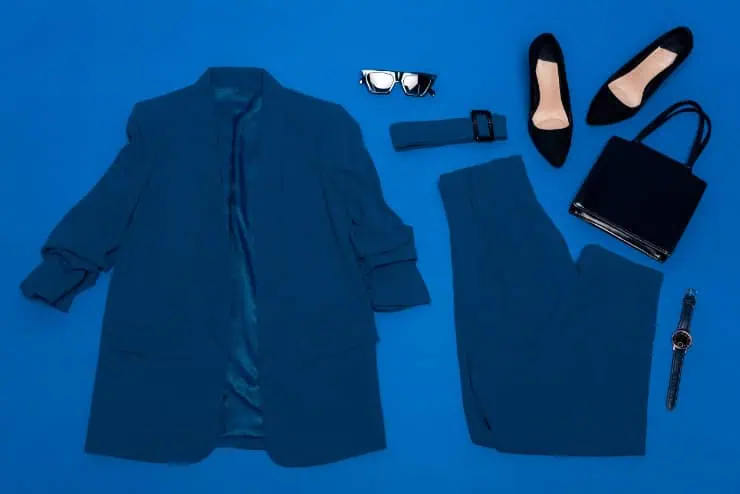
Black and navy are both classic shades, but when worn together, they can appear muddy and lack distinction, especially in low lighting. For women over 60, this pairing often misses the mark because it doesn’t provide the contrast that sharpens features and brightens the complexion. Instead of pairing the two, anchor navy with white, camel, or burgundy. Black works beautifully with soft gray, ivory, or jewel tones. This small adjustment ensures your outfit feels deliberate rather than mismatched. While black and navy aren’t “wrong,” they often lack the crispness needed for a polished, modern appearance.
3. Grey with Pastels
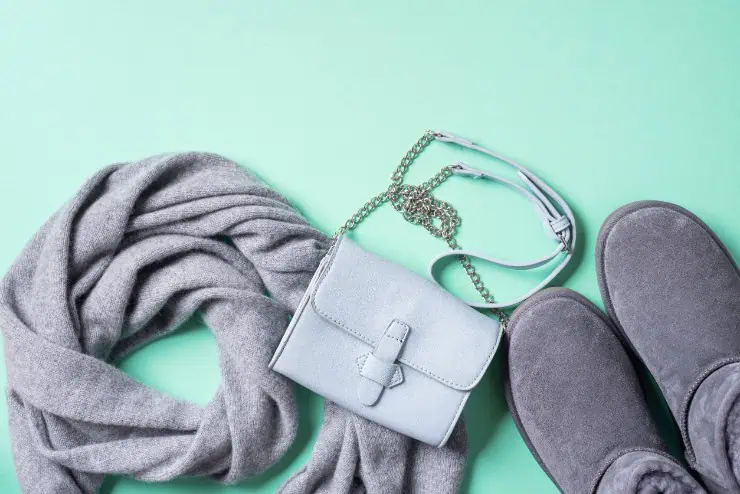
Grey and pastels can feel too muted together, often creating a washed-out effect. Mature skin tones benefit from colors that bring vibrancy rather than dullness, and this combination can unintentionally highlight fine lines or fade natural brightness. If you love pastels, anchor them with deeper shades like navy, plum, or charcoal instead of pale grey. Alternatively, pair grey with bold accents like a cobalt scarf or a ruby handbag to inject energy. The idea is to let grey be a grounding neutral while ensuring your softer hues feel alive, not faded. This adjustment makes a significant difference in freshness.
4. Brown with Black
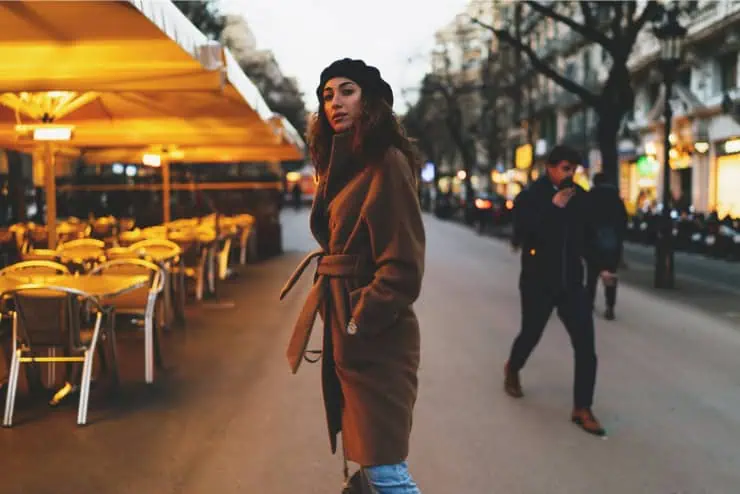
Brown and black together are tricky because they often compete rather than complement. On women over 60, the pairing can appear heavy and lack harmony, especially if the tones are too close in depth. Instead, let brown shine with warm neutrals like cream, camel, or rust. Black pairs better with cooler shades, like grey or jewel tones. If you do mix brown and black, add a bridging color such as leopard print accessories that intentionally ties the look together. By creating contrast or cohesion, you avoid the muddy effect this combination can sometimes bring.
5. Bright Yellow with White
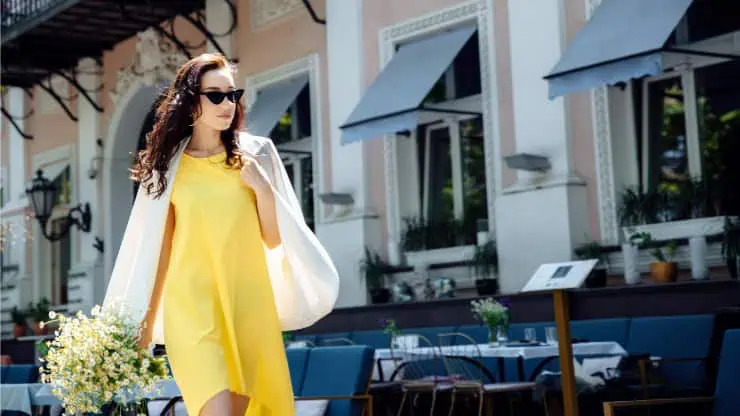
Bright yellow paired with crisp white may feel cheerful, but it’s also harsh and often unflattering on mature complexions. The brightness can amplify uneven skin tones and overwhelm natural hair color. If you love yellow, opt for mustard, ochre, or golden tones, and pair them with softer neutrals like ivory, tan, or olive. These combinations feel warm, chic, and seasonally appropriate, especially in fall. Yellow is a powerful statement shade, but balancing it with complementary hues ensures it enhances rather than detracts from your look. Subtle, earthy pairings keep yellow modern and wearable after 60.
6. Red with Green (Unless Festive)
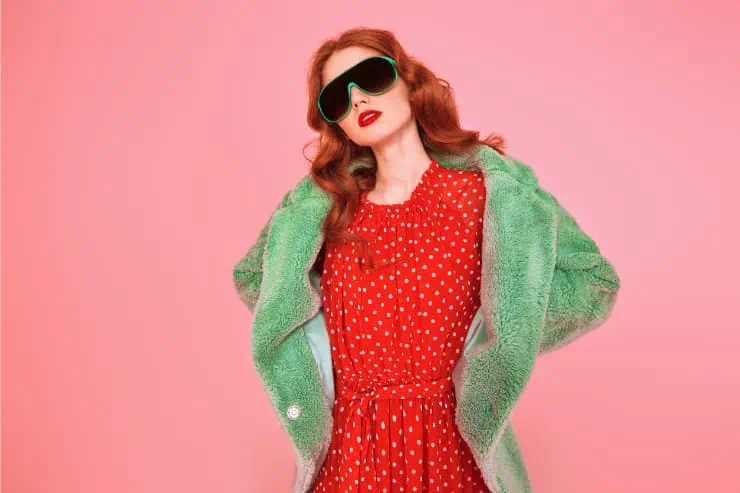
Red and green together tend to read as holiday-specific, which can feel costume-like outside of December. For women over 60 aiming for everyday sophistication, this pairing can be tricky to pull off. Instead, wear red with navy, camel, or charcoal for a modern edge. Green shines beautifully with cream, brown, or soft pinks. If you love both shades, choose muted versions like burgundy with olive so the combination feels earthy and chic rather than festive. The key is adjusting the tones for everyday wear, ensuring the pairing looks intentional and seasonless rather than tied to one occasion.
7. Head-to-Toe Black
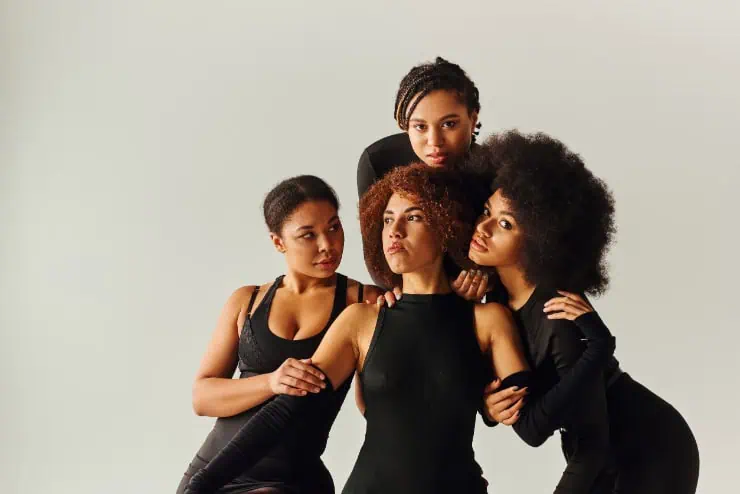
Black is timeless, slimming, and sophisticated but too much of it after 60 can create harshness, emphasizing fine lines and draining natural warmth from the skin. A head-to-toe black look often needs balancing to avoid feeling flat. Instead, break it up with texture (like leather, silk, or knit) or add accessories in metallics, ivory, or jewel tones. A black dress with a colorful scarf or a black suit with a camel coat looks chic without being severe. Black still works beautifully, but the shortcut is adding contrast or dimension to keep it fresh, not overwhelming.