Understanding body shape is one of the most transformative shifts you can make in how you dress, because it changes the way you see clothing entirely. Instead of chasing trends or wondering why certain outfits never feel right, you begin to recognize how proportion, balance, and silhouette interact with your natural frame. This awareness makes shopping more intentional, styling easier, and outfits noticeably more polished. Pieces you already own start working better together because you understand why they flatter or don’t. Dressing for shape isn’t about restriction or hiding the body; it’s about creating harmony so clothes fall, drape, and frame you in a way that feels effortless and confident every day.
Table of Contents
1. Rectangle Shape: Why Adding Structure Changes Everything

A rectangle shape typically means the shoulders, waist, and hips align in similar width, creating a straight, athletic silhouette without strong natural curves. The most effective way to transform this frame visually is by introducing structure and waist definition so the body appears more contoured and dimensional. Tailored jackets, belted dresses, wrap tops, and garments with seaming or darting create subtle shaping that breaks up linearity. Layering also becomes especially powerful, because pairing a fitted base with a gently shaped outer layer adds depth and curvature without bulk.
2. Pear Shape: How Upper Body Emphasis Rebalances Proportion

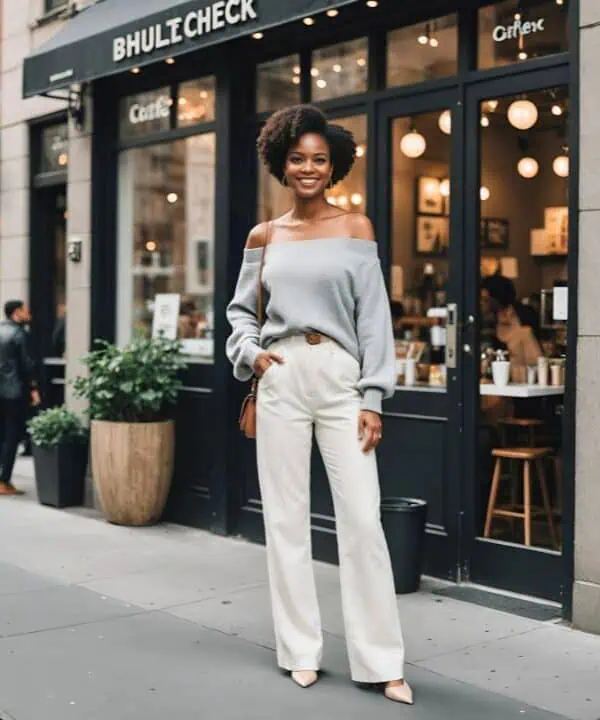
Pear shapes carry more width through the hips and thighs with comparatively narrower shoulders and a defined waist, which creates beautiful curves but can feel visually bottom-heavy if not balanced. The key styling shift is drawing attention upward so the upper body visually broadens to match the lower half. Necklines that extend horizontally such as boat, square, or off shoulder subtly widen the shoulder line, while structured jackets or sleeves add presence to the top frame. Lighter colors, texture, embellishment, and layering on top further attract the eye upward, redistributing visual weight.
3. Apple Shape: The Power of Vertical Lines and Soft Definition
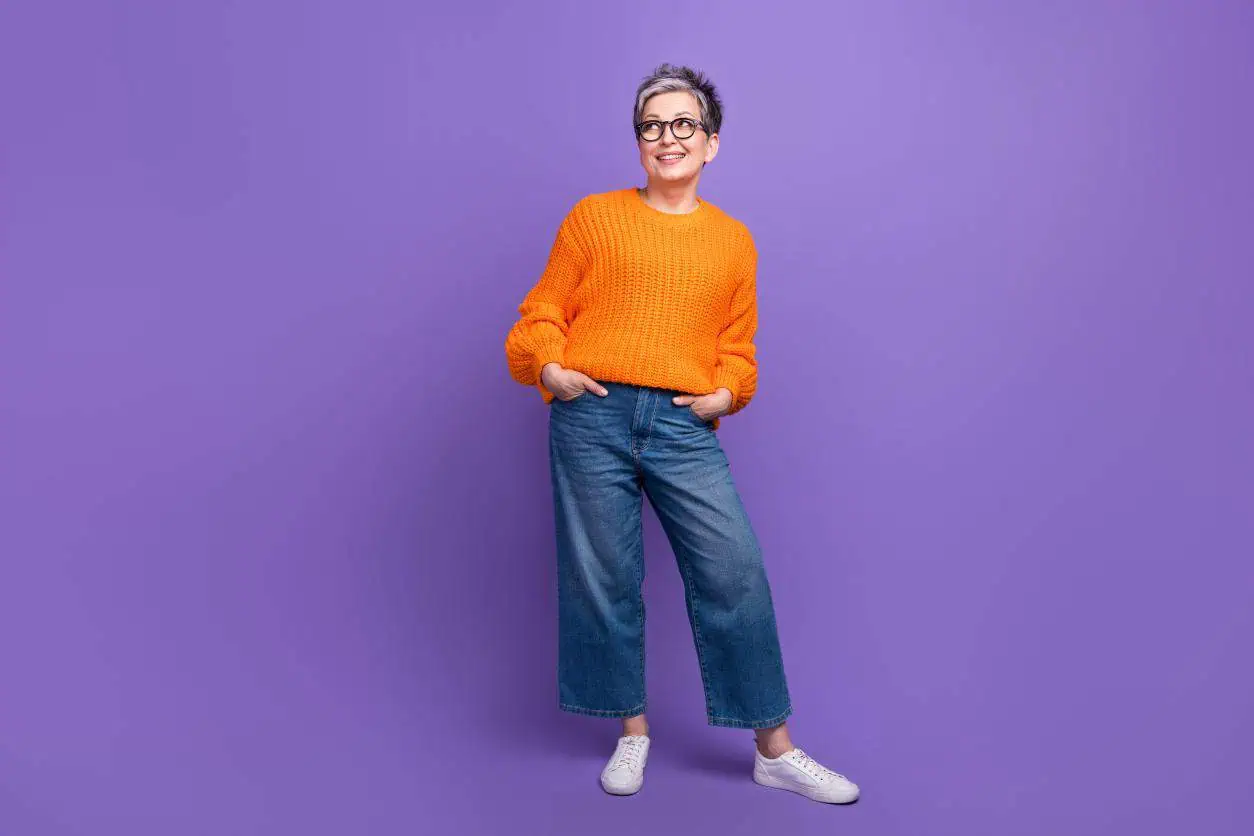
Apple shapes tend to carry fullness through the midsection with comparatively slimmer legs and hips, which means the most flattering styling approach focuses on elongation and gentle shaping rather than tight waist emphasis. Vertical lines created by open jackets, long cardigans, or coats visually lengthen the torso and draw the eye downward, reducing focus on the center of the body. V-necklines open the chest and extend the upper line of the figure, while fabrics that skim instead of cling smooth the midsection without adding bulk.
4. Hourglass Shape: Supporting Natural Curves Without Bulk
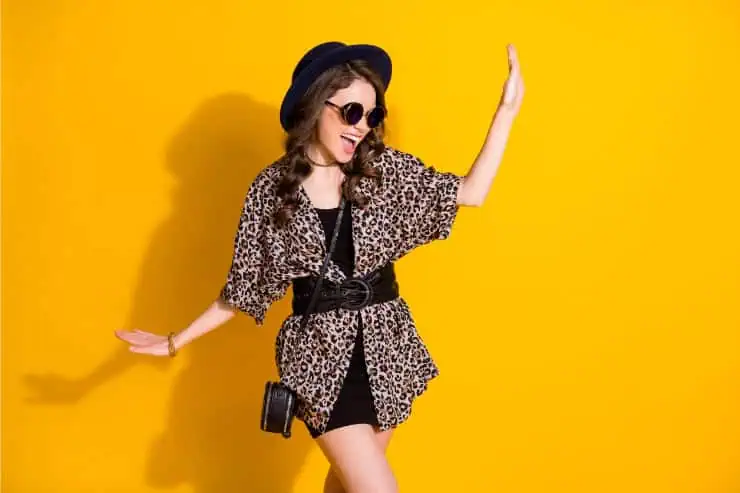
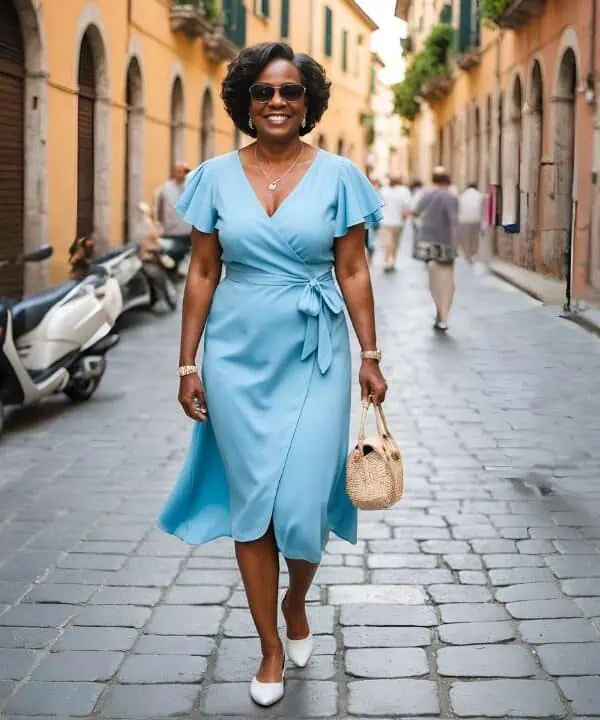
The hourglass shape features balanced shoulders and hips with a clearly defined waist, creating naturally even proportions that many garments are designed to complement. The styling goal here is not to create shape but to honor it by maintaining waist definition and avoiding excess volume that hides curves. Fitted dresses, wrap styles, tailored jackets, and high-rise bottoms that sit at the natural waist keep proportions aligned and highlight the body’s inherent balance. Stretch fabrics and garments that follow the body’s contour enhance rather than fight the silhouette.
5. Inverted Triangle Shape: Softening the Upper Frame for Balance
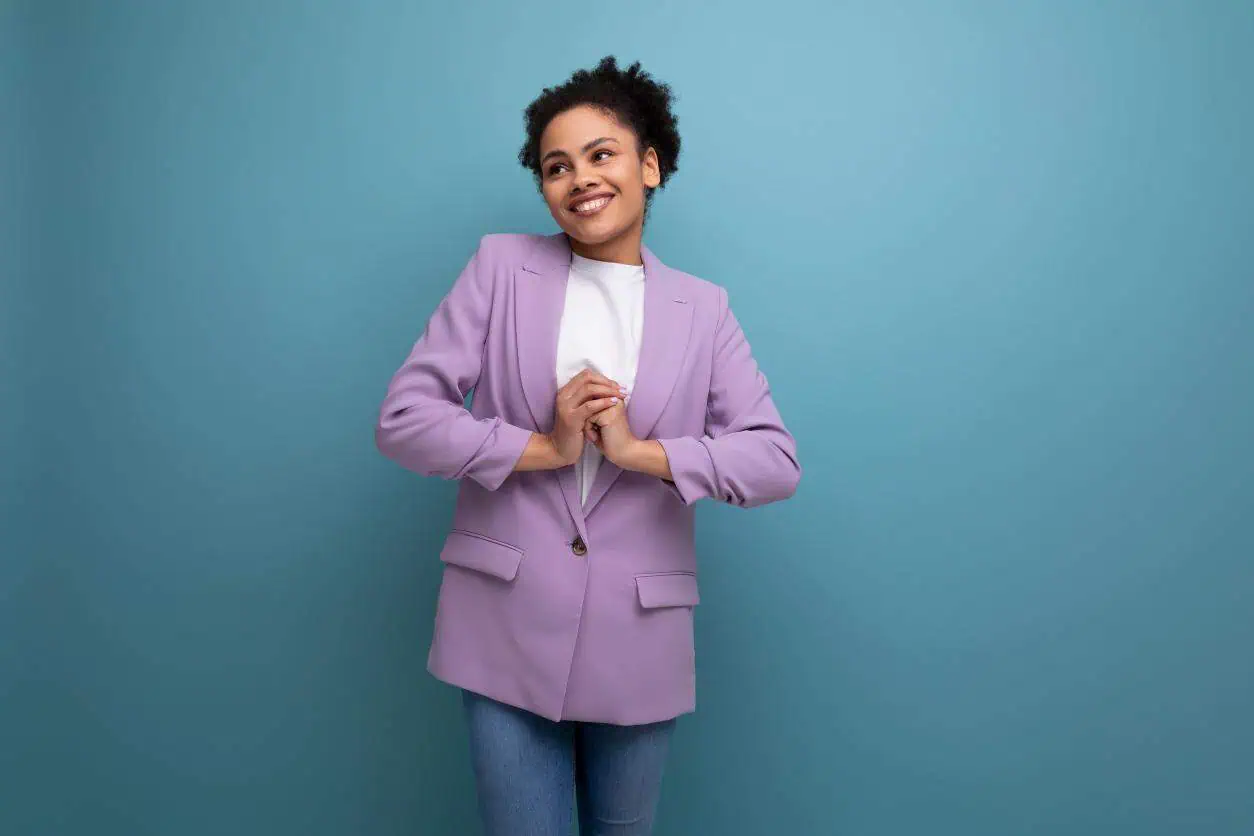
Inverted triangle shapes carry more width through the shoulders or bust with narrower hips and legs, creating a top-heavy proportion that benefits from redistributing visual weight downward. The most effective styling strategy is softening and simplifying the upper body while adding volume or interest below the waist. V-necklines, raglan sleeves, and minimal shoulder structure reduce upper width visually, while darker colors and smooth fabrics keep the top streamlined. On the lower half, lighter tones, pleats,