Aging after 50 brings a mix of freedom and frustration. Many women feel more self-assured than ever, yet also face changes in skin, hair, body shape, and energy that make long-trusted routines less effective. Products that once worked fall short. Flattering silhouettes shift. Even makeup and color choices behave differently. The disconnect can feel jarring especially in a culture that rarely explains what actually changes and what truly helps. The harsh reality isn’t decline; it’s adjustment. Some strategies become outdated, while others grow unexpectedly powerful.
Table of Contents
1. Heavy, Matte Coverage (Don’t Work)

Full-coverage matte foundation and thick powder once created smoothness, but after 50 they often emphasize lines and texture. As skin loses natural oil and reflectivity, heavy matte layers can look flat or mask-like rather than youthful. Product settles more easily into fine lines and can make the complexion appear dry or tired. The instinct to cover more with age is understandable, yet it frequently produces the opposite effect. Dense coverage hides natural dimension instead of restoring it. Makeup that once perfected now often ages because skin surface and light interaction have changed.
2. Holding Onto Old Silhouettes (Don’t Work)

Clothing shapes that flattered in earlier decades don’t always align with midlife proportions. Waist placement softens, shoulders narrow, or fullness redistributes, yet many women continue wearing the same rises, lengths, or fits out of familiarity. Garments may pull, hang, or overwhelm differently than before, even if size hasn’t changed dramatically. This disconnect creates subtle imbalance that reads as dated rather than flattering. The issue isn’t body change it’s mismatch between clothing structure and current shape. When silhouettes stay frozen in time, style appears older than it needs to.
3. Over Styling to Look Younger (Don’t Work)

Trying to appear younger through overt trends, excessive layering, or overly curated outfits often backfires. When styling feels forced or busy, it can highlight age contrast rather than soften it. Youthful energy rarely comes from trend replication; it comes from ease and authenticity. Over-accessorizing, mixing too many focal points, or chasing youth-coded pieces can create visual tension instead of freshness. The effort becomes visible. After 50, over-styling often ages more than simplicity because it competes with natural maturity rather than working with it.
4. Sheer, Light Reflective Texture (Works)
As skin loses luminosity with age, sheer and light-reflective textures restore vitality more effectively than coverage. Satin or cream formulas allow light to move across the face, softening lines instead of settling into them. Sheer foundation, tinted moisturizer, or subtle radiance mimics natural skin rather than masking it. Strategic placement replaces full coverage, creating freshness without heaviness. Light interaction not concealment becomes the key to flattering mature skin. Makeup that enhances reflectivity tends to look healthier and more modern after 50.
5. Recalibrated Proportion (Works)

Small adjustments in clothing proportion often transform midlife style. Slightly higher rises, gentle waist definition, updated hemlines, or refined shoulder structure restore harmony with current body distribution. These changes don’t require trend adoption or size change only alignment with present shape. When garments echo natural balance, outfits look effortless again. Proportion awareness has more impact than fashion novelty because visual harmony drives flattery. After 50, recalibration not reinvention is what keeps clothing working.
6. Simplicity with Intentional Detail (Works)
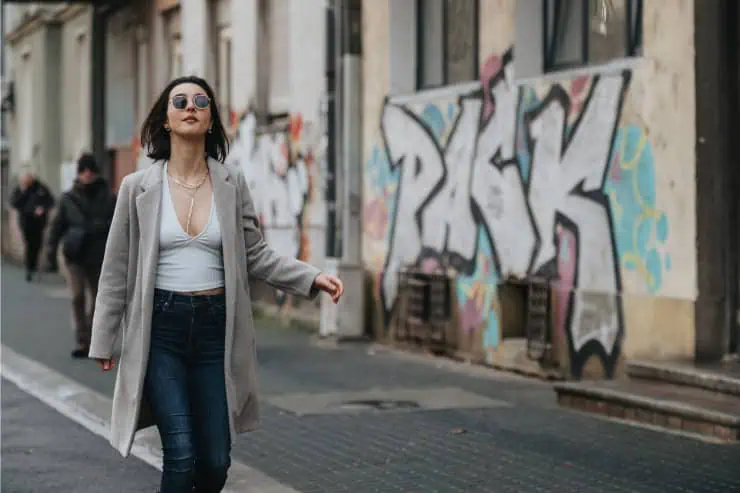
Streamlined routines and outfits with one clear focal point consistently look modern after 50. Instead of many competing elements, a single intentional detail texture contrast, refined color, or distinctive accessory adds personality without effort. Simplicity reduces visual noise and highlights natural presence. As maturity increases, clarity becomes more powerful than complexity. Edited wardrobes and pared-back beauty routines often create stronger results than layered ones. Intentional restraint communicates confidence, making style appear lighter, fresher, and more assured.