Many people are surprised by how different an outfit looks in photos compared to real life. An ensemble that feels polished in the mirror can suddenly appear awkward, unbalanced, or unflattering on camera. This disconnect isn’t about personal style or body type it’s about how clothing, posture, and proportions translate through a lens. Cameras flatten depth, exaggerate contrast, and capture angles the eye naturally corrects for in person. As a result, certain styling mistakes only reveal themselves once a photo is taken. Understanding these common pitfalls can help you dress not just for real life, but for how moments are preserved and shared. Whether for social media, professional photos, or everyday snapshots, correcting these issues leads to outfits that look intentional, confident, and visually balanced in images.
Table of Contents
1. Poor Proportions Become Obvious on Camera
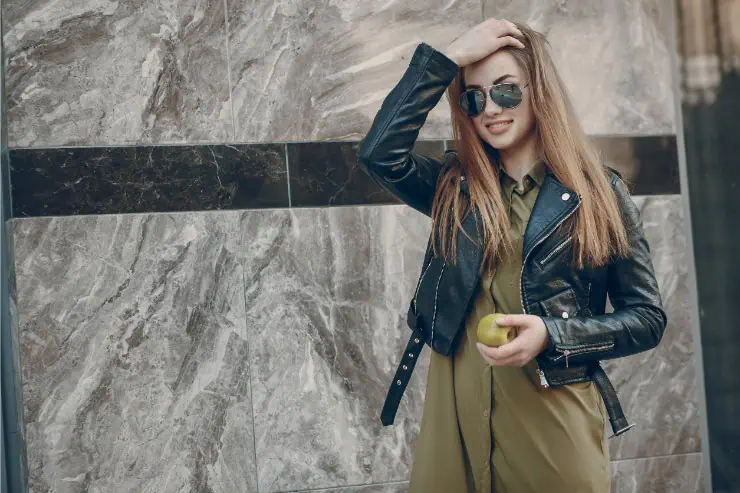
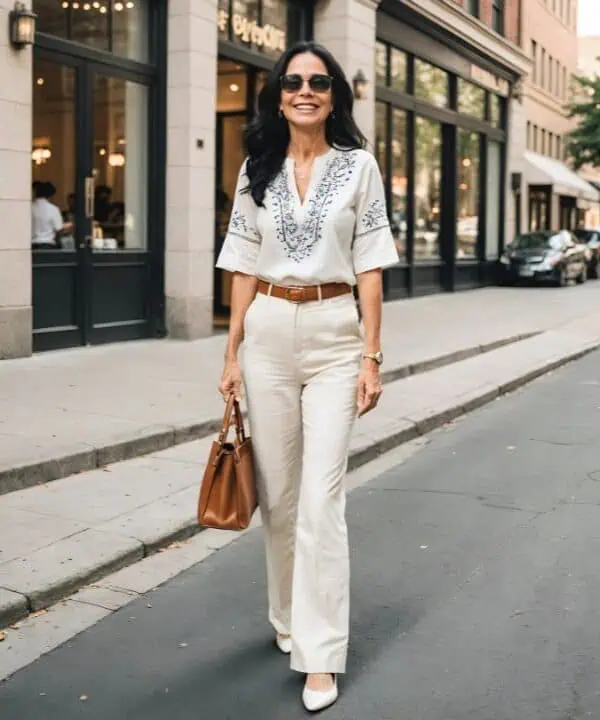
In real life, movement and perspective help balance proportions, but photos freeze everything in a single frame. Tops that hit at an awkward length, overly long hems, or mismatched volume between top and bottom can suddenly look off-balance in pictures. Cameras tend to shorten the body visually, especially when proportions aren’t clearly defined. High waisted bottoms paired with cropped or neatly tucked tops often photograph better than long, shapeless layers. Correcting this mistake means paying attention to where garments break on the body and creating clear lines. Defining the waist, adjusting hem lengths, or choosing structured silhouettes helps maintain proportion when depth and motion are removed by the camera.
2. Excess Fabric Looks Sloppy in Photos
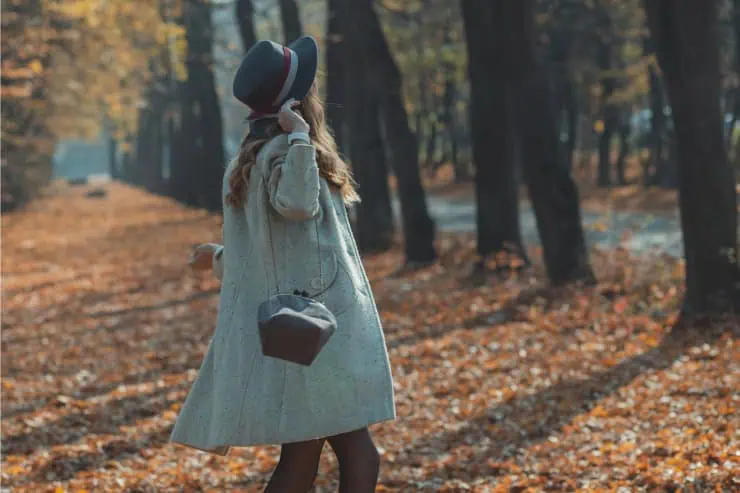
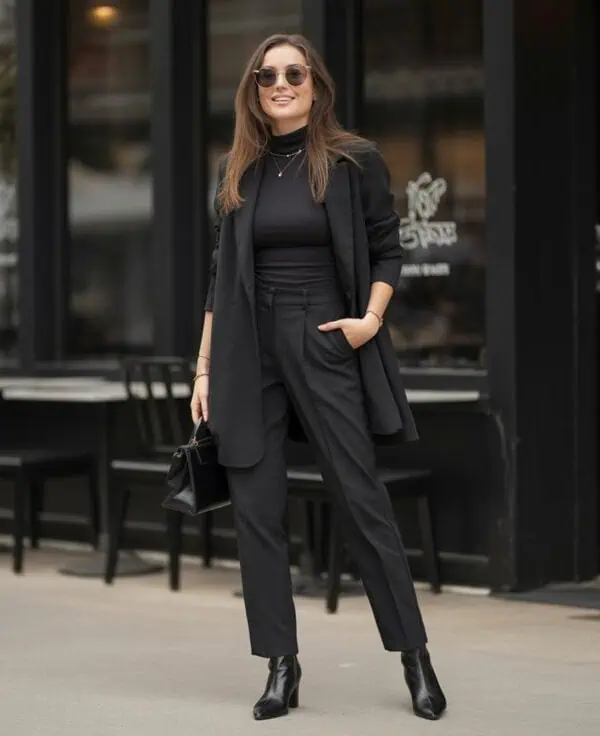
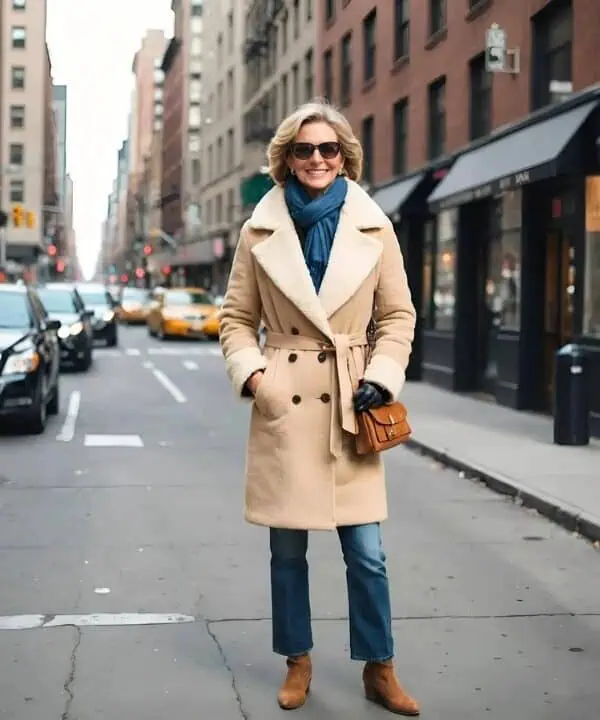
Loose or oversized clothing can feel effortless and chic in person, but photos often tell a different story. Excess fabric tends to collapse visually, creating bulk in areas that didn’t appear problematic in the mirror. Cameras don’t capture the intentional drape or movement of fabric well, especially when standing still. This can make outfits look larger or less polished than intended. The solution isn’t abandoning relaxed silhouettes, but balancing them. Pair oversized pieces with something more fitted, add subtle structure, or use light tailoring. Strategic definition ensures the outfit reads as intentional rather than unkempt when photographed.
3. Shiny Fabrics and Harsh Textures Reflect Light Poorly
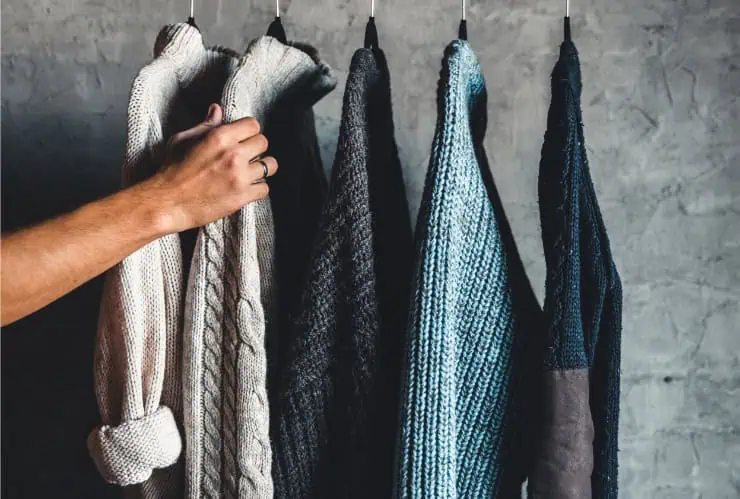
Certain fabrics behave unpredictably under flash or direct lighting. Satin, silk, vinyl, and highly textured materials can reflect light in ways that emphasize wrinkles, cling, or uneven surfaces. What looks smooth and elegant in person may appear creased or overly reflective on camera. This is especially noticeable in event photos or indoor lighting. Choosing matte finishes or fabrics with subtle texture photographs more reliably. If wearing shine, keeping silhouettes simple and well-fitted minimizes distortion. Understanding how materials interact with light helps prevent unwanted highlights and ensures the outfit looks refined rather than distracting in pictures.
4. Accessories Can Overwhelm the Frame
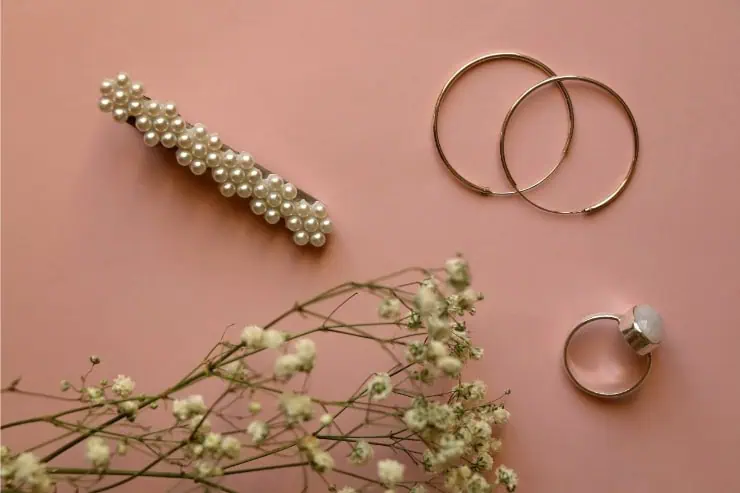
Accessories add personality, but cameras compress space, making statement pieces appear larger and more dominant than intended. Oversized jewelry, bold prints, or heavy layering can overwhelm the image and pull focus away from the face. In photos, less space means less visual breathing room. This often results in outfits that feel cluttered rather than styled. Correcting this means editing more intentionally when dressing for photos. Choosing one focal accessory instead of several keeps the look balanced. Simple styling allows the outfit and the person wearing it to remain the center of attention.
5. Posture and Body Language Are Amplified
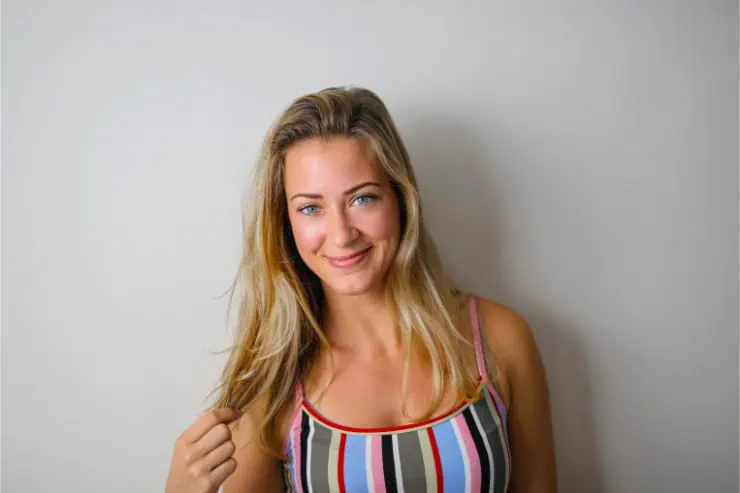
Cameras capture posture with brutal honesty. Slouching, locked knees, or tense shoulders can dramatically alter how clothing hangs and how confident an outfit appears. In real life, small posture shifts go unnoticed, but photos freeze these moments permanently. Poor posture can create wrinkles, distort proportions, and make even well-tailored clothing look ill-fitting. Correcting this mistake starts with awareness. Standing tall, relaxing the shoulders, and shifting weight naturally improves how garments fall on the body. Good posture doesn’t just improve photos it enhances the entire look, making outfits appear more polished and intentional.
6. Color Contrast Reads Differently on Camera
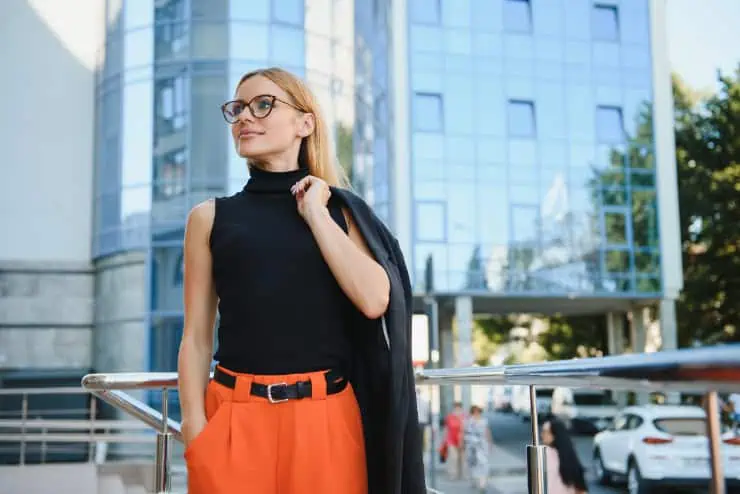
Colors that harmonize beautifully in person can flatten or clash in photos due to lighting and camera settings. Low contrast outfits may lose definition, while extremely high contrast combinations can dominate the image. Certain shades wash out skin tones or blend into backgrounds, reducing visual impact. Understanding this helps refine outfit choices for photography. Adding contrast through texture, structure, or subtle color variation improves depth. Choosing colors that frame the face rather than overpower it ensures the outfit translates well on camera. The goal isn’t dramatic contrast, but visual clarity.