The word “investment” is wildly overused in fashion. It’s often applied to anything expensive, aspirational, or marketed as timeless regardless of whether it earns its keep in an actual wardrobe. True investment pieces aren’t about price tags; they’re about cost per wear, adaptability, and resilience across years, trends, and lifestyle changes. Likewise, some items drain money not because they’re cheap, but because they promise transformation and deliver frustration. They require constant replacement, don’t integrate well with the rest of your closet, or look dated faster than expected. Understanding the difference between what’s worth investing in and what quietly wastes money is one of the most powerful style skills you can develop.
Table of Contents
1. A Tailored Wool Coat (WORTH)

A high quality wool coat is one of the longest-lasting pieces you can own because it performs multiple jobs at once. Wool regulates temperature, resists odors, and maintains structure far better than synthetic blends. A tailored silhouette whether classic or modern creates a clean vertical line that instantly elevates everything worn underneath. Unlike trend driven outerwear, a good wool coat can be restyled endlessly with different shoes, scarves, and bags without looking dated. The real investment lies in fabric density, lining quality, and tailoring, not embellishment. When properly cared for, a wool coat can anchor a wardrobe for ten to twenty years, making it one of the lowest cost per wear items you’ll ever buy.
2. Well Made Leather Boots (WORTH)
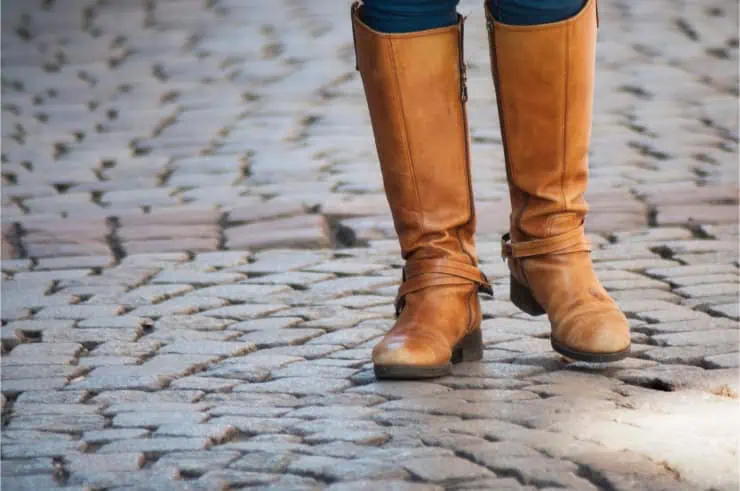
Leather boots earn investment status because they improve with time rather than deteriorate. Quality leather molds to the foot, creases attractively, and can often be conditioned, repaired, or resoled. Cheap boots tend to fail at stress points zippers, heels, soles forcing replacement every season or two. A well made pair, on the other hand, adapts to your gait and lifestyle. Choosing a stable silhouette rather than an extreme trend ensures longevity. Financially, one excellent pair almost always outperforms three mediocre ones. Stylistically, leather boots ground outfits year after year without signaling a specific era.
3. A Structured Everyday Bag (WORTH)
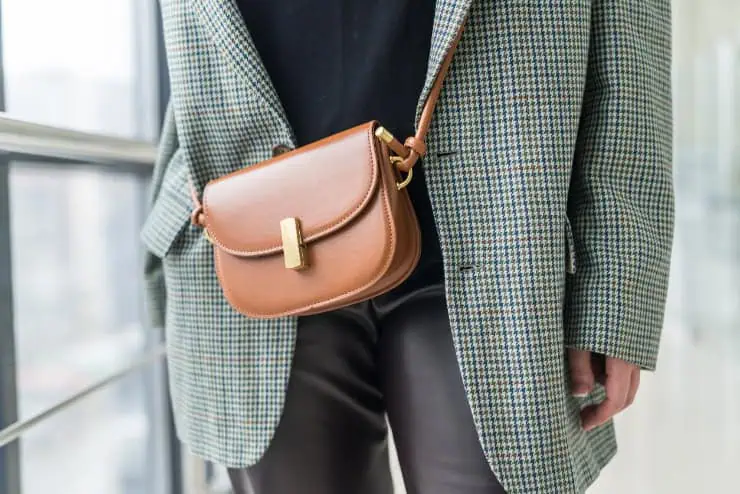
An everyday bag is used constantly, making quality non-negotiable. A structured leather bag holds its shape, protects contents, and keeps outfits polished even when clothing is simple. Cheap bags often sag, peel, or suffer hardware failure within months, creating visible wear that cheapens an entire look. A thoughtfully designed bag in a neutral or versatile color integrates across seasons and settings. Logos are optional; construction is not. Because this item is carried daily, its cost-per-wear drops quickly, making it one of the smartest places to invest.
4. Tailoring Services (WORTH)
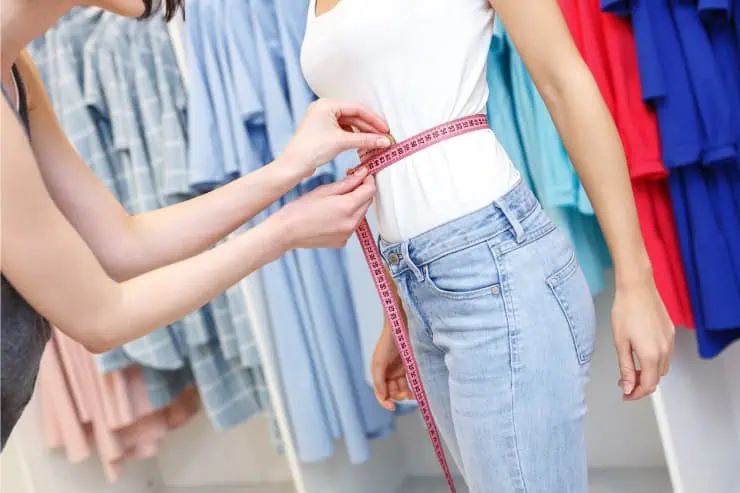
Tailoring may not sound glamorous, but it delivers one of the highest returns in fashion. Hemming pants, adjusting waistlines, refining sleeves, or shaping jackets can transform average garments into wardrobe staples. Tailoring also extends garment life by adapting pieces as your body or style evolves. Rather than replacing clothing that no longer fits perfectly, tailoring allows you to preserve quality items. Over time, this reduces impulse purchases and wardrobe turnover. From a financial perspective, tailoring multiplies the value of everything you already own.
5. High Quality Knitwear (WORTH)
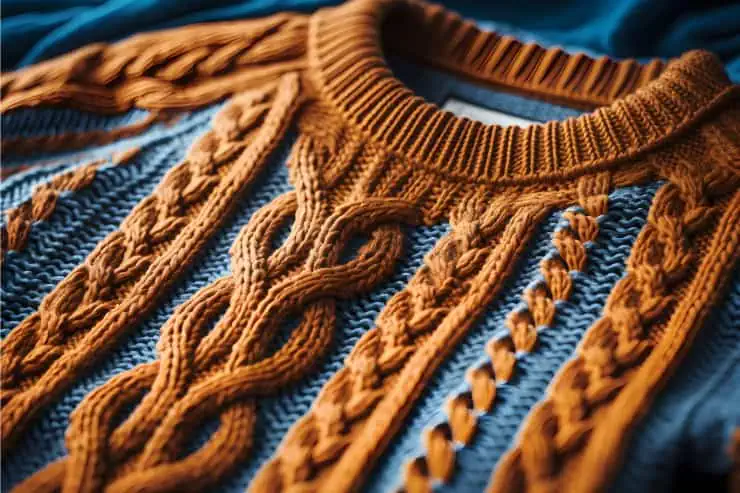
Natural-fiber knitwear such as merino, cashmere, or alpaca outperforms synthetic alternatives in longevity and appearance. Well-made knits retain their shape, regulate temperature, and pill far less when properly constructed. Cheap knits stretch out, thin at stress points, and look tired after a single season. Investing in fewer, better sweaters creates a reliable layering system that works across climates and outfits. Fit and fiber matter more than brand names. A great knit becomes a foundational piece rather than seasonal filler.
6. A Well Cut Blazer (WORTH)

A blazer is one of the most versatile items in a wardrobe, capable of elevating casual outfits or grounding dressier looks. Quality blazers maintain shoulder structure, drape cleanly through the body, and respond well to tailoring. Cheap blazers often collapse at the shoulders or lose shape quickly, making them look sloppy. Investing in construction lining, lapels, stitching ensures the blazer remains relevant despite changing trends. This is a piece that adapts through styling rather than expiring.
7. Premium Denim in a Stable Cut (WORTH)
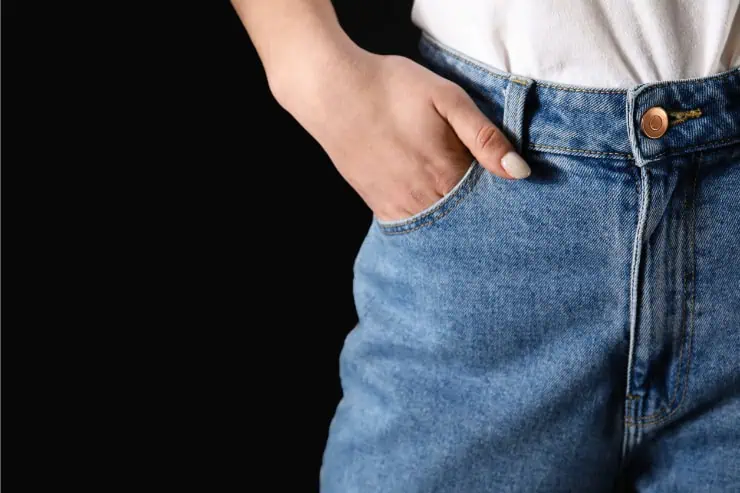
Denim is worn frequently and washed often, which makes fabric quality essential. Premium denim holds shape, fades attractively, and remains comfortable over time. Cheap jeans often stretch out, bag at the knees, or lose structure after a few washes. Choosing a stable cut rather than a trend-heavy silhouette ensures long-term wear. While premium denim costs more upfront, it almost always costs less over time due to reduced replacement.
8. A Quality Leather Belt (WORTH)
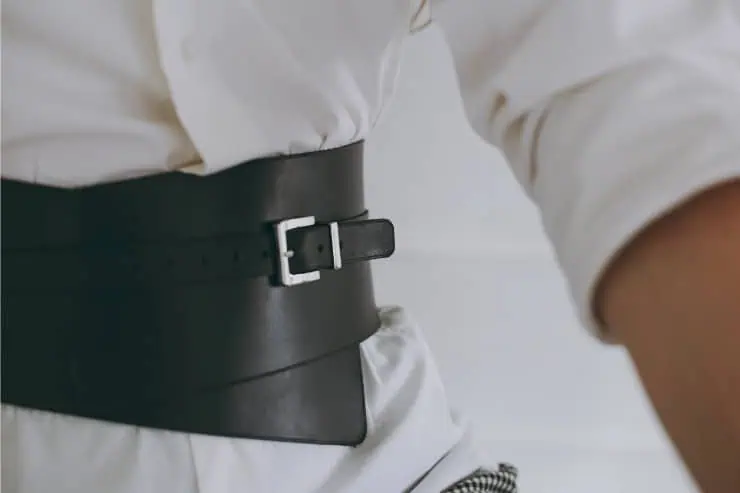
Belts experience constant friction and tension, making material quality critical. A solid leather belt with sturdy hardware can last decades and subtly elevate every outfit it’s worn with. Cheap belts crack, warp, or peel quickly, forcing frequent replacement. Because belts anchor the waist visually, quality here has an outsized impact relative to cost. This is a small investment with long-term payoff.
9. Reliable Shoes for Daily Wear (WORTH)
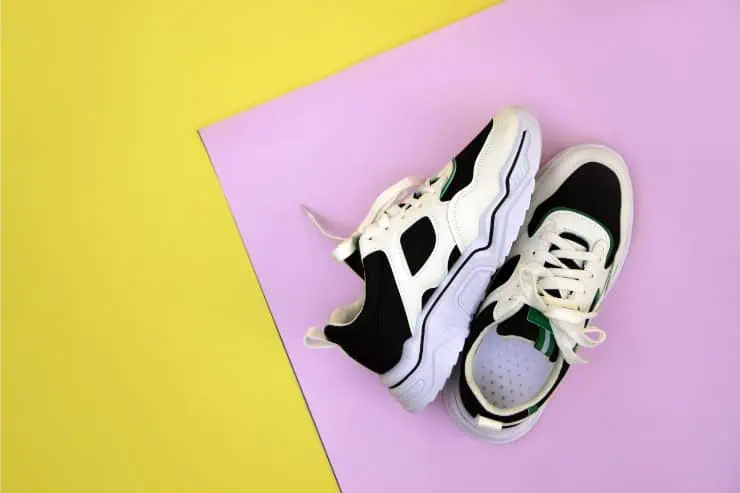
Daily shoes endure the most stress and therefore demand quality. Whether loafers, flats, or sneakers, well-made footwear provides better support, lasts longer, and maintains appearance. Cheap daily shoes often need replacing multiple times a year, making them deceptively expensive. Investing once reduces discomfort, waste, and long-term spending.
10. Timeless Sunglasses (WORTH)
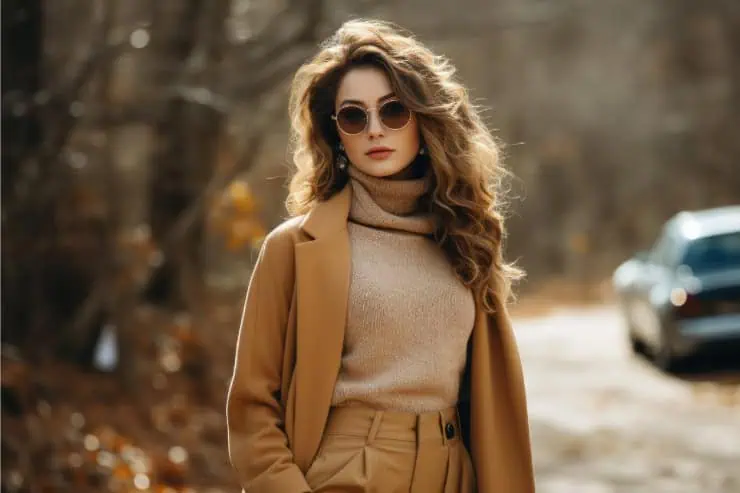
Sunglasses shape the face and protect the eyes, making quality lenses and frames essential. Well-made sunglasses hold alignment, resist warping, and maintain optical clarity. Trendy, flimsy pairs often distort or break quickly. A classic shape in quality materials earns long-term wear and consistent use, making it a genuine investment.
11. Ultra Trendy Statement Pieces (MONEY WASTERS)
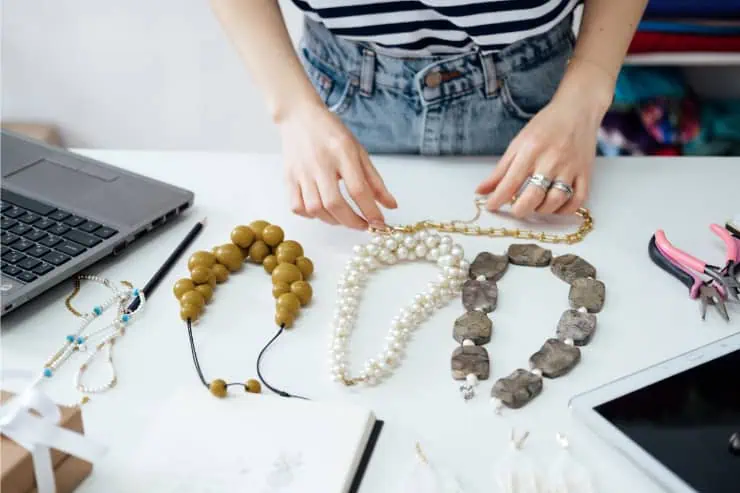
Ultra-trendy statement pieces are often the most expensive mistakes because they’re designed for visibility, not longevity. These items rely on shock value extreme silhouettes, viral colors, exaggerated details to feel relevant. The problem is that their relevance is brief. Once the trend cycle moves on, the piece becomes visually loud in a way that feels dated rather than expressive. They’re also difficult to integrate into everyday wardrobes, which limits wear. Many people justify the purchase emotionally, not practically, leading to items that sit unused after a handful of outings. High price does not equal high value when an item can only function during a narrow cultural moment.
12. Cheap Faux Leather Bags (MONEY WASTERS)
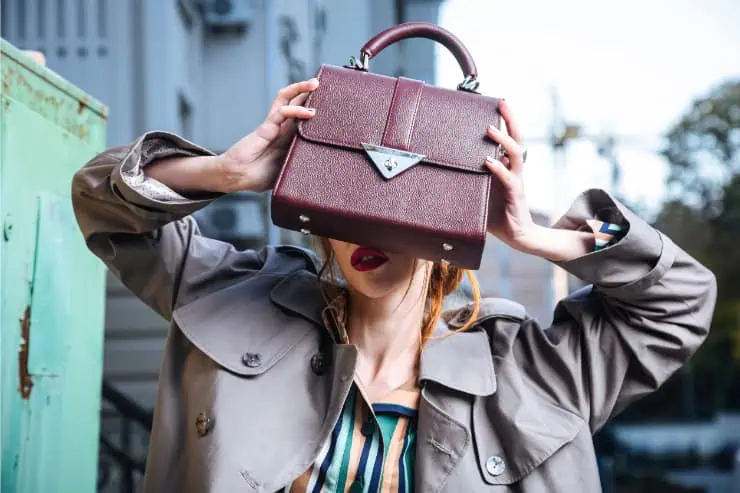
Cheap faux-leather bags are one of the most deceptive money wasters in fashion. While they often look polished at first, faux leather deteriorates quickly under real-life conditions. Peeling, cracking, and flaking are inevitable, and once they begin, the bag is unusable. These bags cannot be repaired or restored, which means replacement becomes the only option. Over time, repeatedly buying faux leather bags costs more than investing once in a quality leather option. Aesthetically, visible deterioration cheapens the entire outfit. Financially, it’s a cycle of short-term savings and long-term loss.
13. Occasion Only Shoes (MONEY WASTERS)
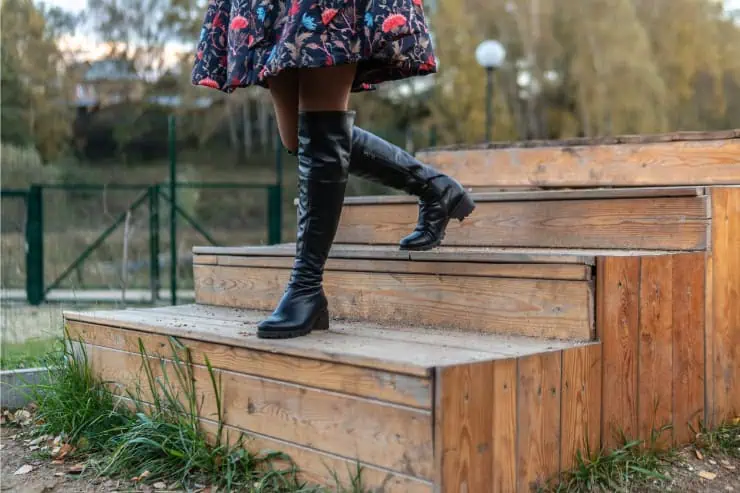
Occasion-only shoes are rarely worth their cost because their use is so limited. Shoes purchased for a single wedding, party, or formal event often prioritize appearance over comfort, making them unpleasant to wear even when the occasion arises again. They’re usually stylistically narrow, meaning they don’t translate to other outfits or settings. As trends shift, these shoes age quickly, further reducing their usefulness. The cost per wear remains extremely high, and they often take up space without contributing to a functional wardrobe. Unless an item can serve multiple roles, it’s not an investment it’s an expense.
14. Low Quality White Tops (MONEY WASTERS)
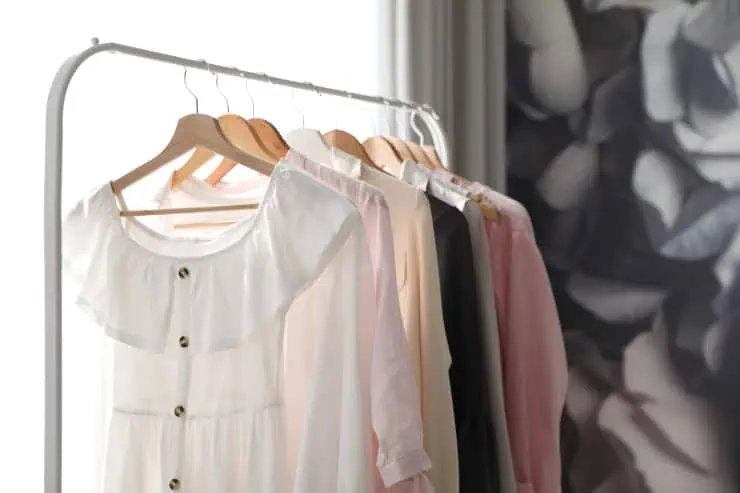
Low-quality white tops seem affordable, but they quietly drain money over time. Inferior fabrics yellow, stretch, and lose opacity quickly, especially after repeated washing. Seams twist, necklines collapse, and the shirt stops looking clean even when freshly laundered. Because white tops are wardrobe essentials, poor quality forces frequent replacement. Investing in better fabric and construction reduces frustration, laundry damage, and repeat purchases. Over several years, buying one excellent white top is far cheaper than cycling through many disposable ones.
15. Fast Fashion Knit Sets (MONEY WASTERS)
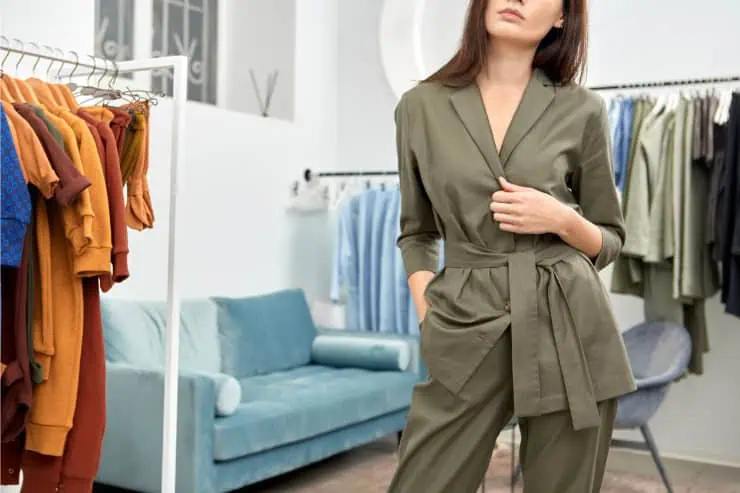
Fast-fashion knit sets are designed for immediate visual appeal, not durability. They photograph beautifully but rarely hold up beyond a season. Fabric pills quickly, elasticity weakens, and seams twist after washing. Because the pieces are designed to be worn together, once one fails, the entire set becomes unusable. These sets also lock you into a specific look, limiting versatility. While the initial price feels reasonable, frequent replacement adds up. From both a financial and functional perspective, they deliver short term satisfaction and long-term waste.