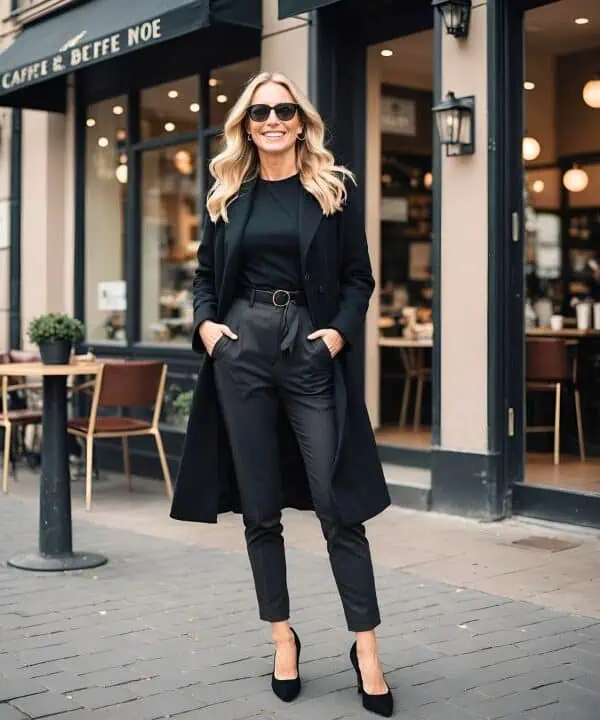
London style has long been admired for its ability to look effortlessly layered without ever appearing heavy or overdone. In a city defined by unpredictable weather, layering isn’t optional it’s a skill. What makes London layering distinctive is restraint. Rather than piling on thick garments, it relies on contrast, fluidity, and thoughtful proportions. Each layer serves a purpose and contributes to a cohesive silhouette. The result is warmth, depth, and movement without visual weight. Many people struggle with layering because they add volume instead of intention. London style solves this by prioritizing line, texture, and balance. Learning this approach allows you to wear four layers comfortably and chicly, without sacrificing shape or ease.
Table of Contents
1) Start With a Sleek, Close to the Body Base Layer

London layering always begins with a streamlined foundation. The base layer is thin, fitted, and smooth, acting as a visual anchor for everything that follows. Think lightweight knits, fine cotton tees, or fitted long-sleeve tops that skim rather than cling. This first layer sets the silhouette and prevents bulk from building inward. Without a clean base, additional layers stack outward and create heaviness. The goal isn’t compression it’s clarity. When the base layer lies flat and moves easily, it allows other pieces to float rather than stack. This is where many people go wrong, starting with something already bulky and wondering why the outfit feels heavy.
2) Use the Second Layer to Create Vertical Flow

The second layer in London-style dressing introduces length, not volume. This is often a shirt worn open, a fine cardigan, or a light knit that creates vertical lines through the torso. Open layers elongate the body and prevent the stacked look that causes outfits to feel bulky. Buttoning everything up too early in the layering process locks the silhouette. London stylists rely on negative space the visible column of the base layer to maintain lightness. This vertical break is one of the most important tricks for wearing multiple pieces without looking weighed down.
3) Choose a Third Layer With Structure, Not Thickness

The third layer adds definition and polish. In London style, this is often a tailored blazer, cropped jacket, or softly structured coat. The key is shape, not padding. Structure gives the outfit intention and prevents layers from collapsing into one another. A well-cut jacket creates clean lines that frame the body, even when worn over multiple pieces. Thickness, on the other hand, adds bulk without clarity. London layering favors sharp seams, light materials, and architectural cuts that hold form without heaviness. This layer is what keeps the look sharp rather than slouchy.
4) Let the Fourth Layer Be the Lightest, Not the Heaviest
Contrary to instinct, the outermost layer in London layering is often the lightest visually. Scarves, trench coats, or fluid overcoats are used to finish the look without adding weight. Heavy puffers or oversized knits overwhelm the carefully built proportions underneath. Instead, London style opts for movement. A draped coat or soft scarf adds dimension without obscuring the silhouette. The final layer should glide over the outfit, not compress it. This approach keeps the look elegant and dynamic rather than bulky and static.
5) Mix Textures Instead of Stacking Similar Fabrics

One of the most overlooked aspects of layering is texture. Wearing multiple layers of the same fabric type causes them to visually merge, creating thickness. London layering intentionally mixes textures smooth against soft, crisp against fluid. This separation keeps each layer distinct and readable. When layers are visually differentiated, the outfit feels lighter even with multiple pieces. Texture contrast creates depth without weight. It’s a subtle but powerful technique that prevents outfits from looking dense.
6) Keep the Color Palette Tight and Tonal

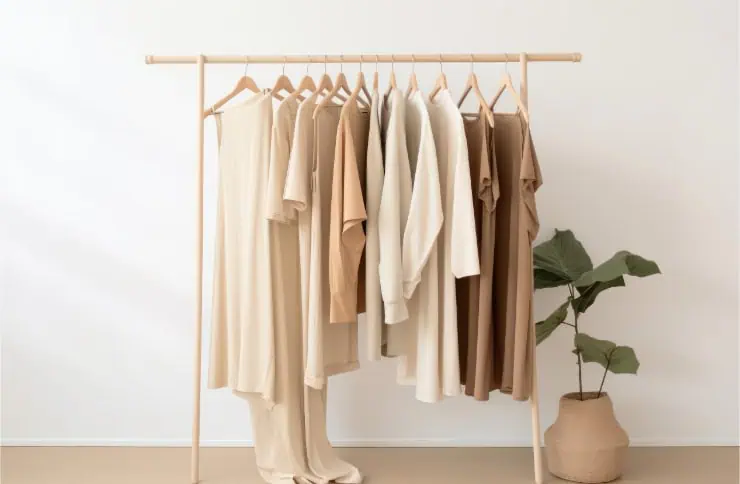
London layering relies heavily on restrained color palettes. Wearing four items in a tight tonal range prevents visual fragmentation. When colors clash or contrast too strongly, the eye jumps between layers, emphasizing bulk. Tonal dressing allows layers to blend seamlessly while still being distinct through texture and cut. This creates a clean, elongated effect. Neutrals and softened shades dominate London style for this reason. Color discipline is a key factor in looking layered rather than overloaded.
7) End With Intentional Styling, Not Adjustment

The final London secret is how the outfit is worn. Sleeves are pushed up deliberately, collars are relaxed, and hems are allowed to move. Constant adjusting signals discomfort and bulk. Intentional styling signals confidence. London layering looks effortless because it is settled. Each piece has been chosen to coexist comfortably. When layers work together, the body moves freely and the outfit looks natural. Ease is the ultimate indicator that layering has been done correctly.