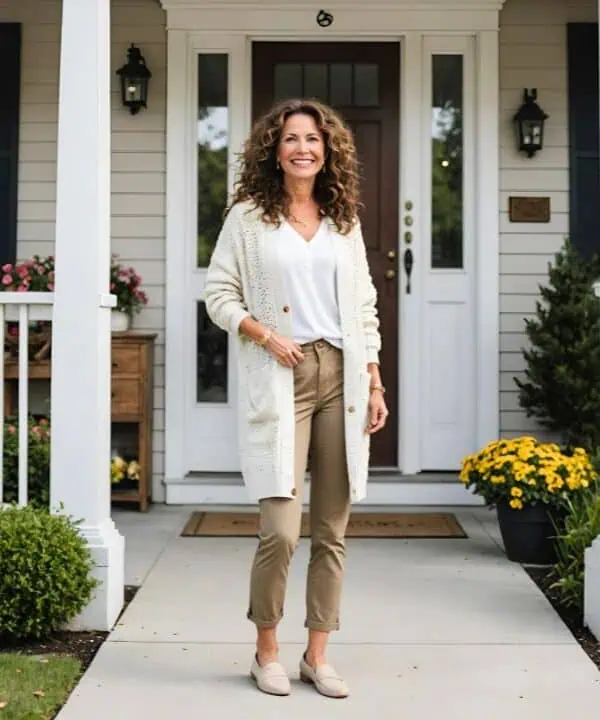
Winter style often becomes more complicated in midlife not because women lose interest in fashion, but because priorities shift toward comfort, warmth, and practicality. Over time, many women develop reliable winter formulas that feel safe and functional. Yet stylists say these habits can quietly date outfits, adding visual heaviness or hiding shape without intention. Thick fabrics, dark palettes, and familiar silhouettes can accumulate into looks that feel older than they need to. The issue isn’t age or body change it’s proportion and styling patterns that no longer align with modern winter dressing.
Table of Contents
1. Choosing Bulk Instead of Shape
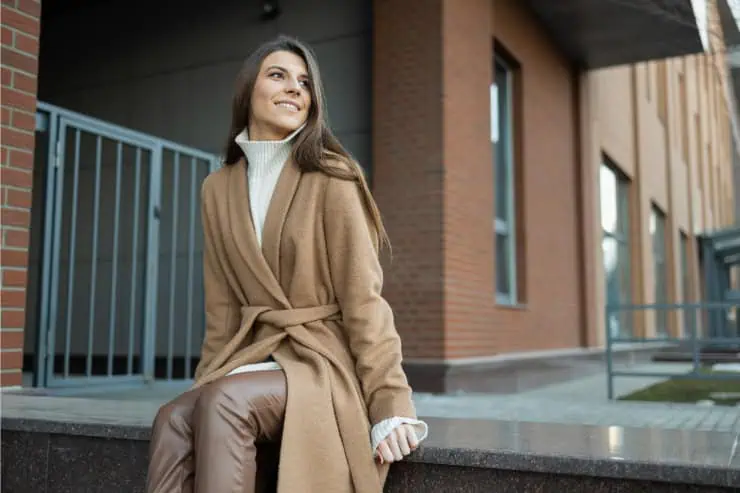
Heavy, oversized layers are often used to stay warm, but too many bulky pieces together erase silhouette and create visual weight. Thick sweaters, chunky cardigans, and boxy coats worn simultaneously can overwhelm the body rather than flatter it. Stylists emphasize that warmth comes from insulation and fabric density, not size. Materials with structure and drape like wool blends, ponte knits, or refined sweater yarns hold heat while maintaining form. A shaped coat or gently tailored knit keeps the outline visible even when layered. The goal isn’t tightness but definition. When winter clothing skims rather than engulfs, outfits look intentional, balanced, and far more modern.
2. Wearing Head to Toe Black by Default
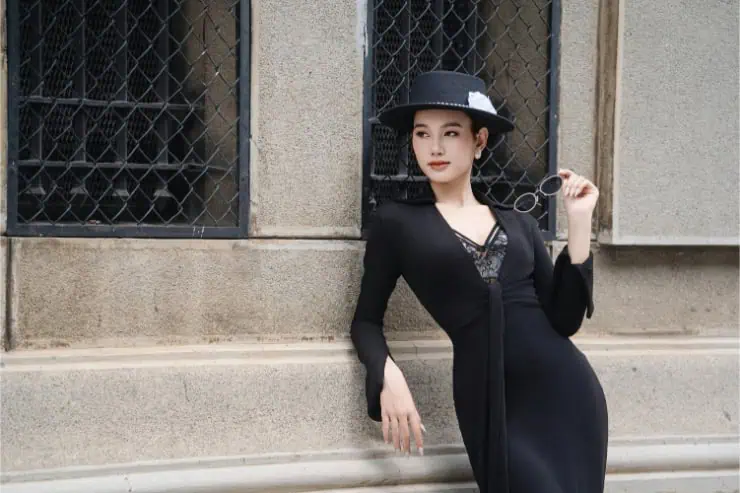
Black feels practical, slimming, and seasonally appropriate, which is why many midlife wardrobes lean heavily on it in winter. However, solid black from head to toe especially in thick fabrics can flatten dimension and create visual heaviness. Without variation, garments blend together and lose depth. Stylists often suggest keeping black but breaking it with tone or texture: charcoal, espresso, deep navy, or dark olive add subtle contrast while staying sophisticated. Mixing finishes matte wool, soft knit, smooth leather also creates separation. The issue isn’t black itself but uniformity. Adding tonal variation preserves the elegance of dark dressing while preventing winter outfits from feeling dense or dated.
3. Clinging to Outdated Boot and Pant Pairings
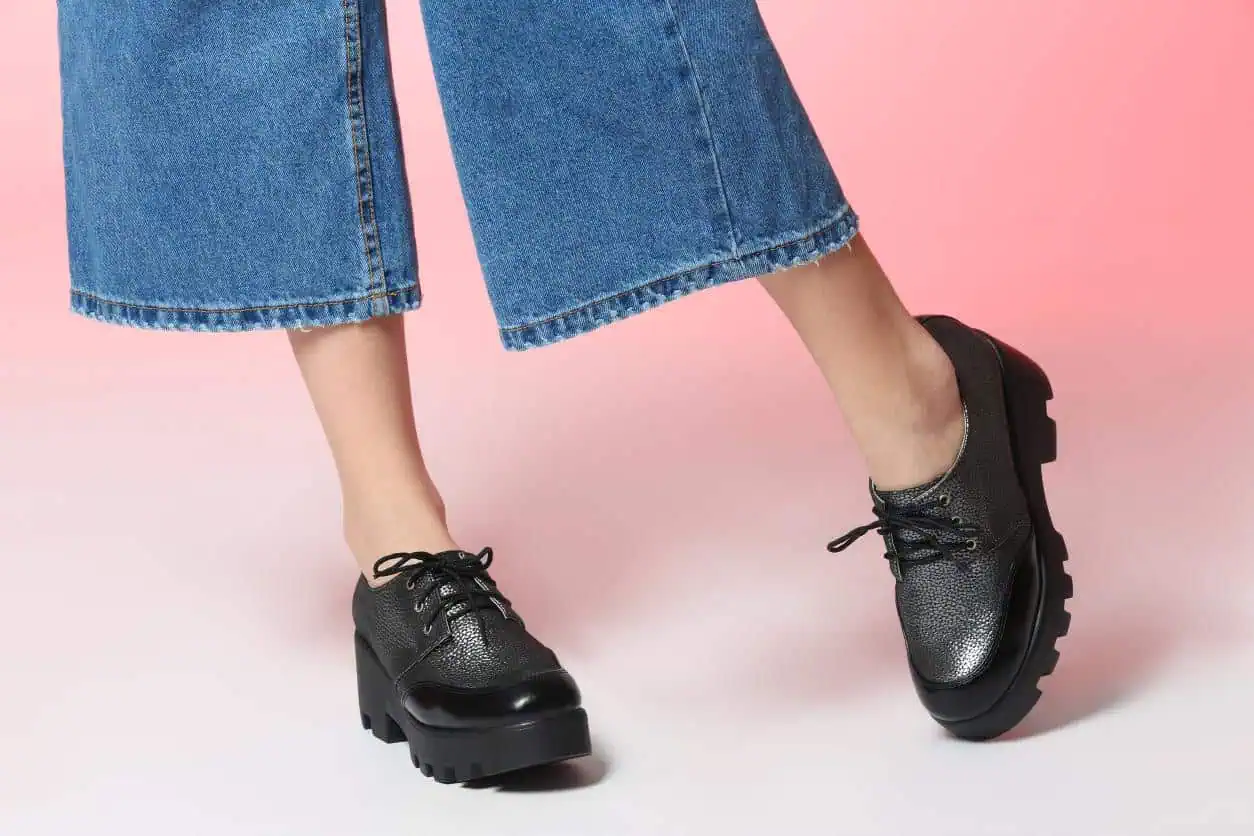
Tucking slim pants into mid-calf or knee-high boots was once the default winter formula, but today it often reads dated. The tight line from hip to ankle to boot shaft can feel overly compressed and visually heavy. Modern styling favors relaxed pant silhouettes straight, wide, or slightly cropped paired with ankle or lower-shaft boots. This creates space between garment and footwear, introducing proportion contrast that feels current. Even small adjustments, like letting a pant hem rest over a boot or choosing a wider leg, can update an entire outfit. Proportion shifts are often more effective than buying new pieces, making this one of the easiest winter refreshes.
4. Letting Outer Layers Hide the Outfit
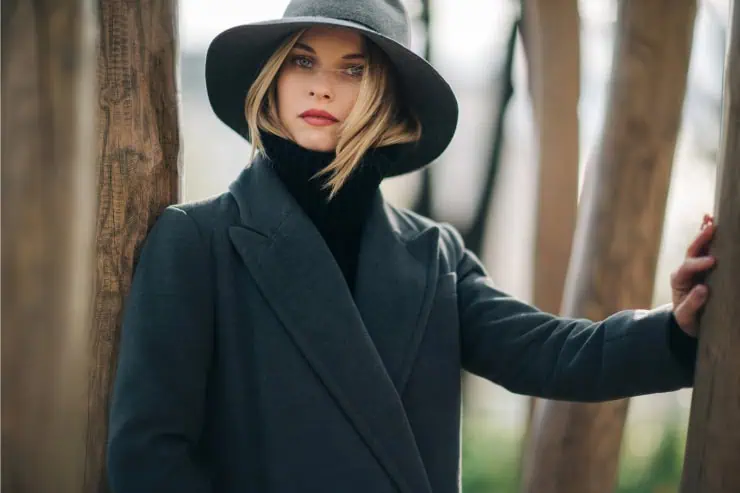
Winter layering is essential, but many outfits become buried under coats and cardigans that don’t relate to what’s underneath. When outer layers cut across awkward lengths or clash in weight and texture, the look feels accidental rather than styled. Stylists recommend aligning layers in both proportion and tone. Coat length should complement dress or top length, and fabric weight should feel balanced. A refined coat over a heavy sweater dress, for example, maintains clarity better than another bulky knit layer. When outerwear works with the outfit instead of obscuring it, winter dressing appears cohesive and deliberate rather than piled on for warmth alone.
5. Prioritizing Warmth Over Ease of Movement
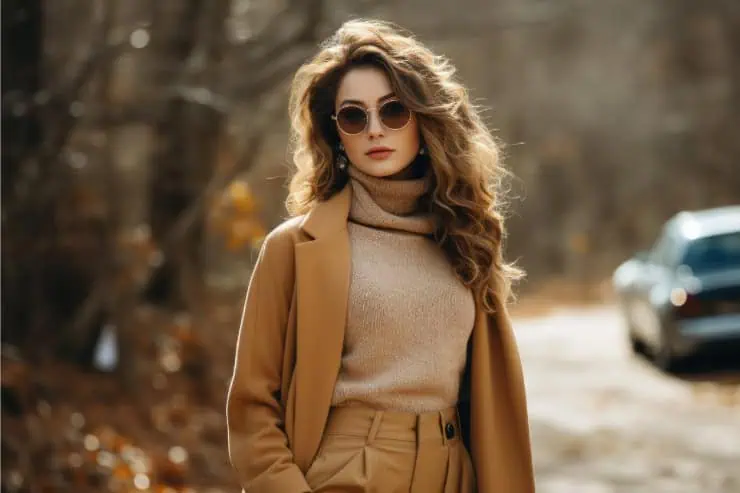
Some winter clothing keeps heat in but also restricts movement rigid denim, stiff wool, or overly tight layering combinations. When clothing limits stride or arm motion, posture subtly changes and outfits can appear uncomfortable. Stylists stress that true winter comfort combines insulation with flexibility. Fabrics that include stretch, softer tailoring, or lighter thermal layers maintain warmth without stiffness. Clothing that moves naturally with the body reads relaxed and confident. Ease has become a modern style marker, while rigidity often feels dated. Choosing garments that allow motion ensures winter outfits feel as comfortable as they look polished.