For years, the cropped bolero or shrug was a go-to layering piece for dresses and sleeveless tops. It offered a quick solution for adding coverage while keeping outfits relatively light and simple. However, fashion trends and silhouettes have evolved, and the bolero has gradually fallen out of favor. Many stylists now consider it one of the most dated layering pieces, especially in wardrobes for women over 50. The issue isn’t the desire for coverage it’s the proportions and styling limitations of the bolero itself. Today’s fashion leans toward softer, more fluid layers that create balanced lines and a more modern silhouette.
Table of Contents
1. The Proportion Problem With Bolero
The main challenge with bolero shrugs is their extremely short length. Because they stop high on the torso often just below the bust they interrupt the natural vertical line of the outfit. This abrupt cutoff can make the torso appear shorter and the overall silhouette less balanced. Instead of blending smoothly with the dress or top underneath, the bolero creates a visible horizontal break. This break can make the outfit feel fragmented rather than cohesive.
2. Why the Style Feels Dated

Boleros were particularly popular in the early 2000s and became a common accessory for formal dresses and evening wear. Because of this strong association with a specific era, the style can quickly evoke older fashion trends. When paired with modern clothing, the bolero sometimes feels out of place or overly traditional. Fashion today tends to favor cleaner layering pieces that integrate more naturally into the overall silhouette rather than sitting as a separate, cropped layer.
3. How It Affects Outfit Balance

Layering pieces should ideally complement the shape of the outfit underneath. The cropped nature of the bolero often emphasizes the bust area while leaving the rest of the outfit visually disconnected. This can create an unbalanced appearance where the upper portion of the body becomes the focal point. In contrast, longer layers create a smoother line that visually connects the shoulders, waist, and hips. This continuity helps outfits feel more polished and harmonious.
4. Modern Alternatives That Look More Polished
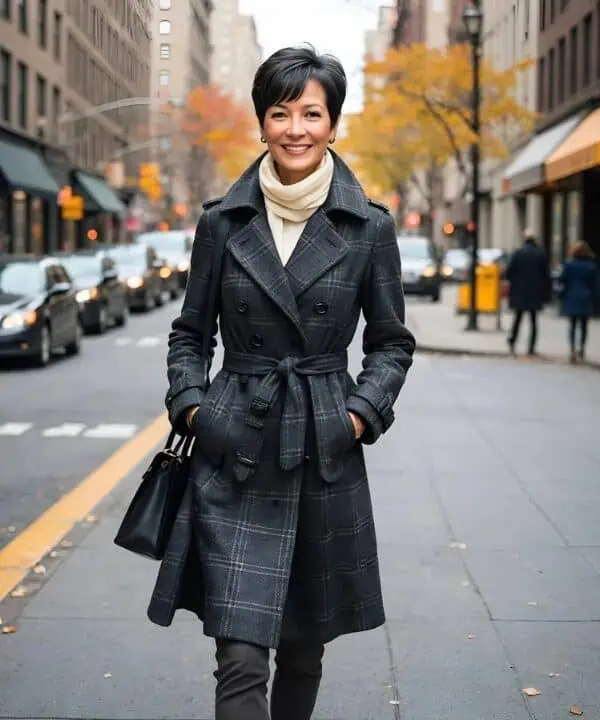
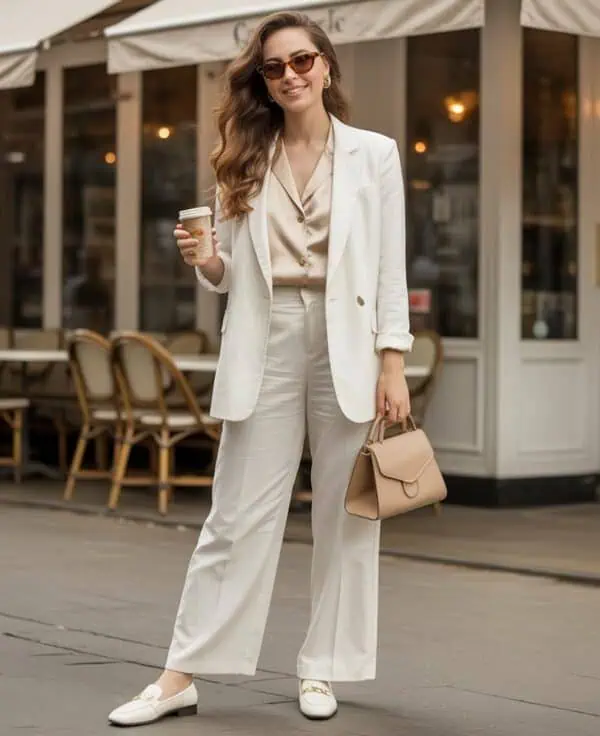
Instead of boleros, many stylists now recommend lightweight jackets, longer cardigans, or structured blazers as layering options. These pieces provide coverage while maintaining a more balanced silhouette. Because they extend further down the torso, they create vertical lines that help elongate the body. Soft wraps, cropped jackets that hit at the waist, and tailored layers can also work beautifully with dresses while keeping the look contemporary.
5. Updating Your Layering Style

Refreshing your layering pieces doesn’t require completely changing your wardrobe. The key is focusing on garments that follow the natural lines of the body and add structure without creating abrupt cutoffs. Fabrics that drape well and lengths that extend past the waist tend to look more modern and flattering. When layering pieces blend smoothly with the outfit underneath, they enhance the entire look rather than competing with it, creating a style that feels current and effortless.