Fashion rarely moves in one direction for long. As clothing silhouettes become more restrained and wardrobes lean toward quiet personal style, accessories are stepping in to carry visual interest. Maximalist accessories bold jewelry, sculptural bags, oversized sunglasses, dramatic belts are no longer competing with outfits. They’re anchoring them. This shift isn’t a return to excess for excess’s sake. It’s strategic. In an era where clothing is increasingly simple, accessories provide a way to express personality without overhauling an entire wardrobe. Maximalist accessories feel intentional rather than chaotic.
Table of Contents
1. Quiet Clothing Creates Space for Bold Accessories
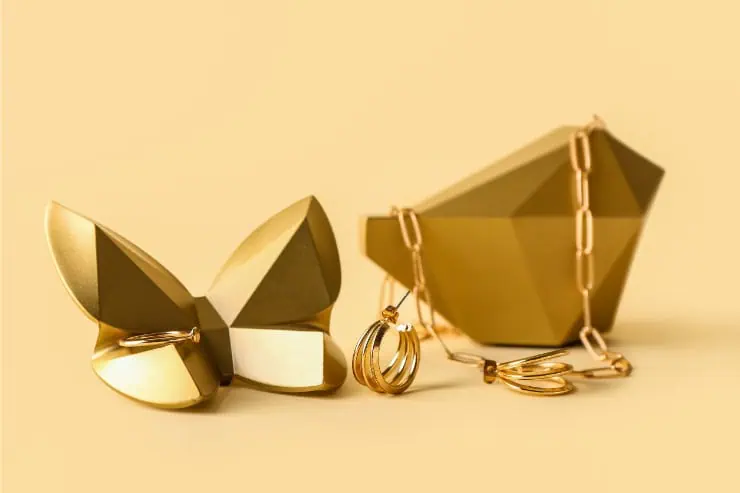
As silhouettes simplify and palettes neutralize, outfits leave more visual room for statement accessories. When clothing isn’t demanding attention, accessories can step forward without feeling overwhelming. Maximalist pieces thrive in this environment. A sculptural necklace or oversized cuff stands out more against clean lines than against already busy clothing. This balance is key. In 2026, the most compelling outfits often consist of simple garments paired with one bold accessory. The accessory becomes the focal point, giving the outfit character without clutter. This dynamic is why maximalist accessories feel so relevant now they complete, rather than compete with, modern wardrobes.
2. Accessories Allow Expression Without Overcommitment
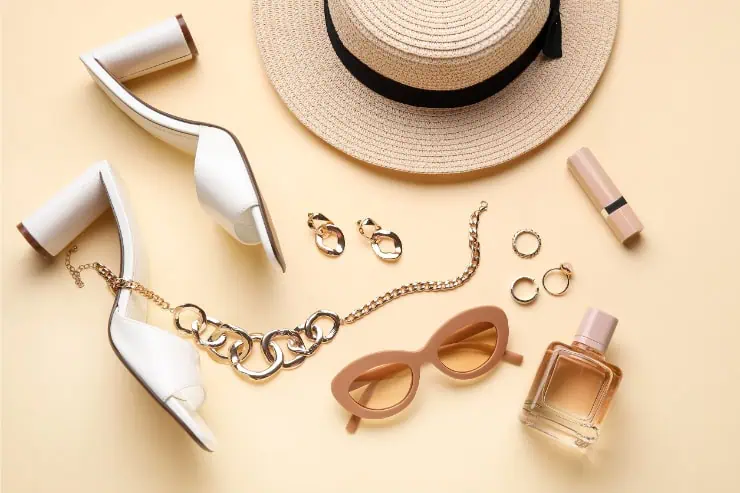
One reason maximalist accessories are surging is their flexibility. Unlike bold clothing, accessories don’t require a full style shift. A woman can maintain a restrained wardrobe while experimenting through jewelry, bags, or shoes. This lowers the barrier to expression. Maximalist accessories feel playful without feeling risky. They can be added or removed depending on mood or setting. This adaptability makes them appealing in a time when many women are editing their wardrobes rather than expanding them. Accessories provide a way to express identity without permanent commitment, which aligns perfectly with modern dressing habits.
3. Statement Accessories Signal Confidence, Not Excess
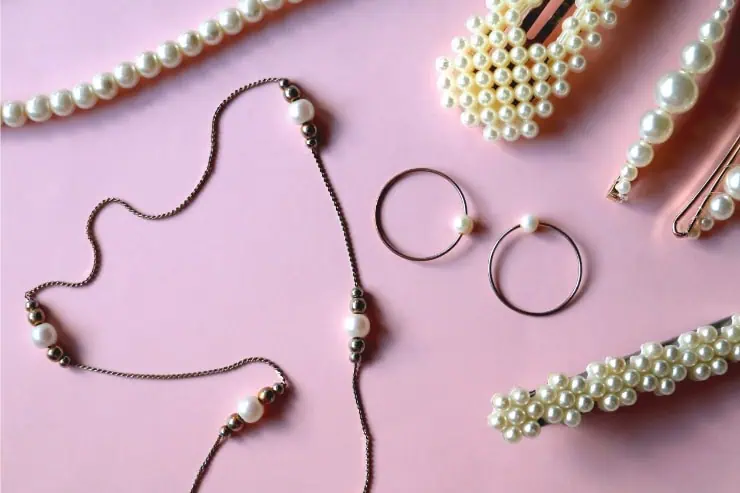
In the past, maximalism was sometimes associated with overdoing it. Today, bold accessories are read differently. When worn with intention, they signal confidence rather than excess. A single oversized ring or dramatic earring suggests decisiveness. It shows the wearer understands balance. In an era of subtle dressing, choosing one bold element feels purposeful. Maximalist accessories work best when they’re clearly chosen, not piled on. This restraint is what makes them chic. The statement isn’t volume it’s clarity.
4. Craft and Design Are Back in Focus
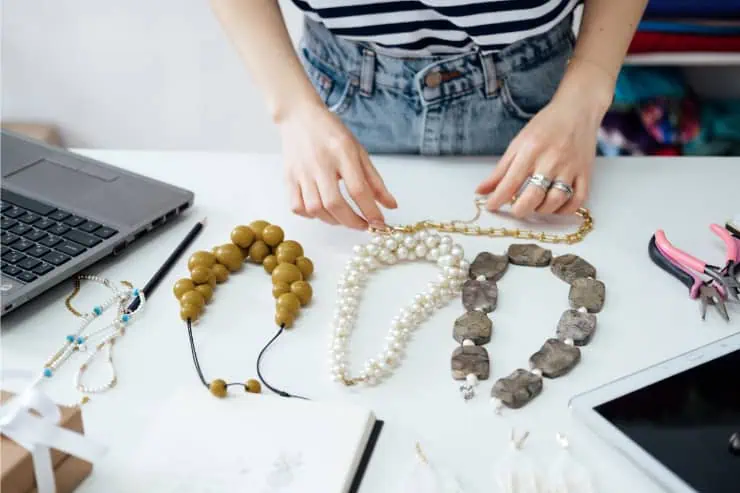
Maximalist accessories often highlight craftsmanship in ways clothing currently doesn’t. Sculptural shapes, handwork, texture, and materiality become visible and appreciated. As consumers grow more discerning, accessories that showcase design integrity stand out. These pieces feel collectible rather than disposable. In 2026, there’s renewed interest in objects that feel made, not mass-produced. Maximalist accessories meet that desire. They act as wearable art functional but expressive. This emphasis on craft elevates accessories beyond trend status and contributes to their must-have appeal.
5. Accessories Anchor Repetition in Outfits
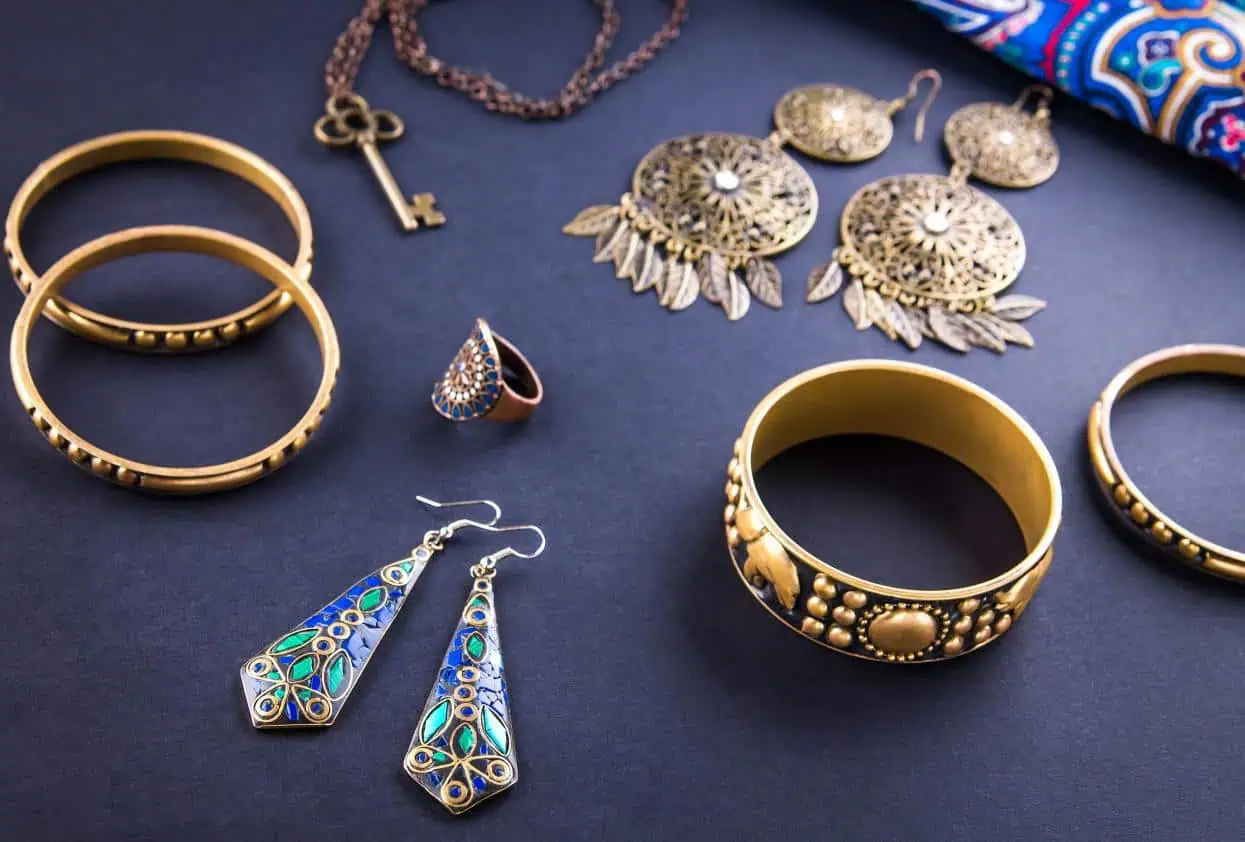
As repetition becomes a sign of confidence, accessories play a crucial role in refreshing familiar outfits. Wearing the same trousers or dress repeatedly feels intentional when styled with different bold accessories. Maximalist pieces help create variation without requiring constant wardrobe updates. This makes them practical as well as expressive. One strong accessory can transform an outfit’s mood entirely. In a fashion landscape that values longevity, accessories that offer visual change without excess consumption are especially relevant. They extend the life of a wardrobe.