Comfort becomes a priority for many women in midlife and rightly so. Bodies change, tolerance for restrictive clothing drops, and daily life often demands ease. But stylists frequently notice a subtle shift: comfort dressing can gradually become shapeless dressing. Loose silhouettes, oversized layers, and ultra soft fabrics start replacing pieces that once provided gentle structure. The result isn’t more flattering or modern it’s simply less defined. The key mistake isn’t choosing comfort; it’s abandoning shape entirely. True midlife style balance comes from garments that feel soft yet still guide the silhouette. Here’s how the comfort trap happens and how chic women avoid it.
Table of Contents
1. Swapping Structure for Total Looseness
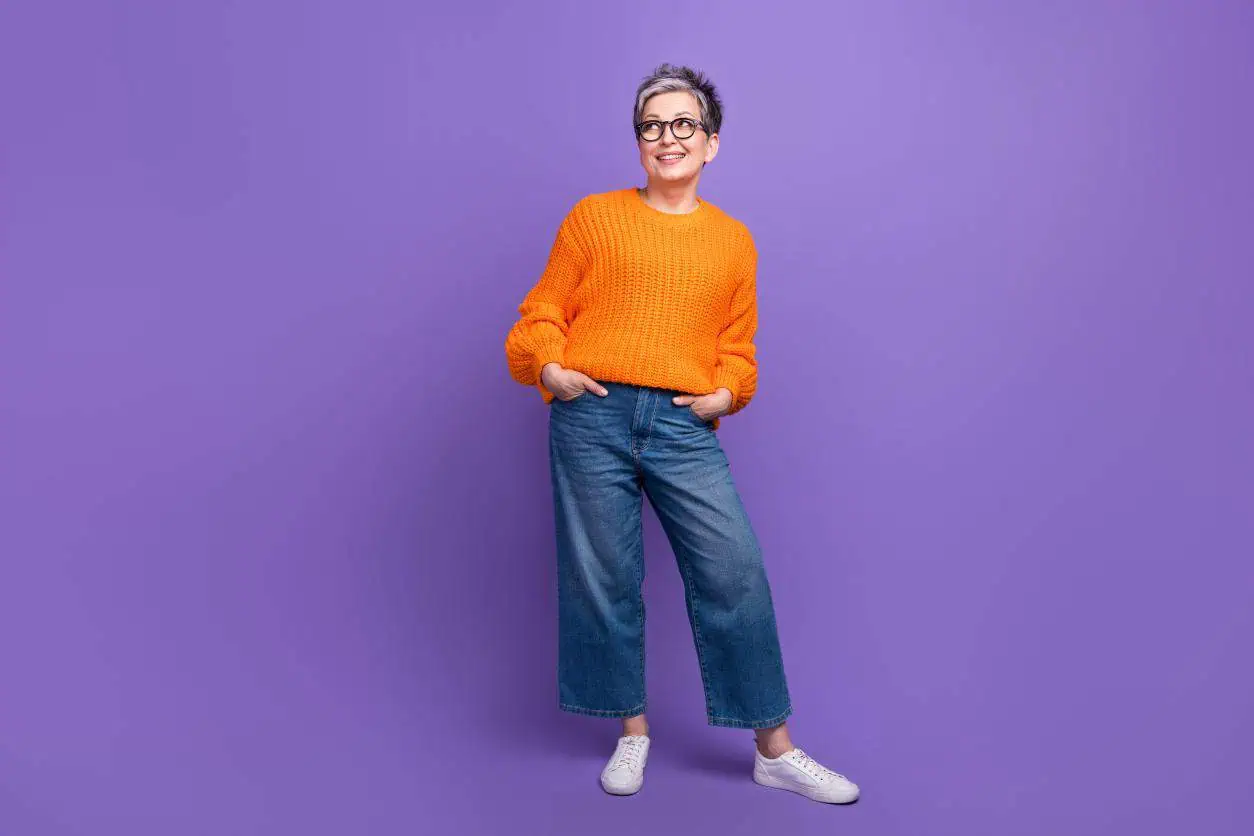
Many women replace tailored or semi-structured pieces with fully unstructured clothing boxy tops, oversized tunics, wide pants with no drape control. While individually comfortable, these shapes often blur body lines. Without any defined points, outfits lose proportion and visual balance. Stylists stress that midlife bodies usually benefit from gentle shaping, not rigid tailoring but also not complete looseness. Pieces that skim rather than hang preserve comfort while maintaining form. The difference is subtle yet powerful: the body remains visible instead of hidden. Comfort works best when softness still follows natural contours.
2. Choosing Stretch Over Shape
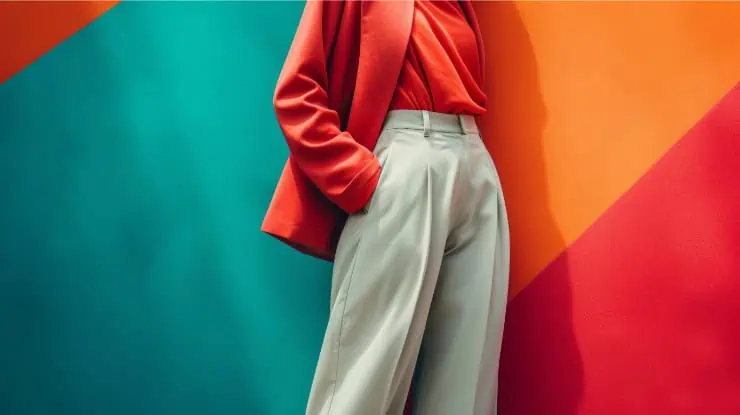
Stretch fabrics feel forgiving, so they often dominate midlife wardrobes. But when garments rely solely on elasticity without cut or drape, they can cling in unintended areas while collapsing elsewhere. This creates uneven lines rather than smooth ones. Structured-soft fabrics those with both give and body maintain shape while allowing movement. Stylists often recommend ponte knits, crepe blends, or softly woven materials for this reason. They support the silhouette without stiffness. The goal isn’t tightness; it’s quiet stability. Comfort improves when fabric works with the body instead of simply stretching over it.
3. Layering to Hide Instead of Refine

A common midlife shift is adding layers for coverage: long cardigans, oversized shirts, draped wraps. Over time, layering becomes concealment rather than styling. Excess fabric adds volume and obscures vertical lines, making outfits appear heavier. Chic comfort dressing uses layers strategically lightweight, fluid, and proportion-aware. Layers should frame the body, not engulf it. Stylists note that even soft pieces need placement: shoulder alignment, sleeve shape, hem length. These details maintain clarity. The right layer enhances comfort and polish simultaneously instead of masking the figure.
4. Prioritizing Softness Over Proportion
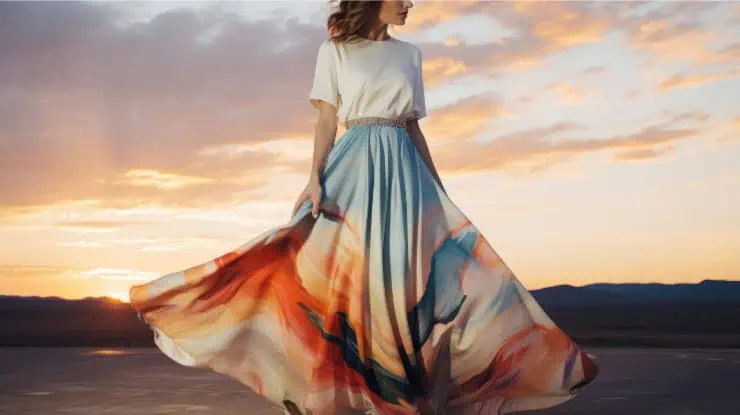
Ultra-soft pieces jersey dresses, slouchy knits, relaxed pants feel pleasant but can distort proportion if every item is equally loose. When tops, bottoms, and layers all lack definition, the eye loses orientation. Balanced outfits usually mix one relaxed element with one guided one: soft trousers with a shaped top, or fluid dress with a defined waistline. Stylists emphasize contrast within comfort. This preserves ease while maintaining visual structure. Proportion isn’t about tightness it’s about relationship between pieces. Even relaxed wardrobes benefit from anchors that suggest shape.
5. Letting Comfort Replace Intent
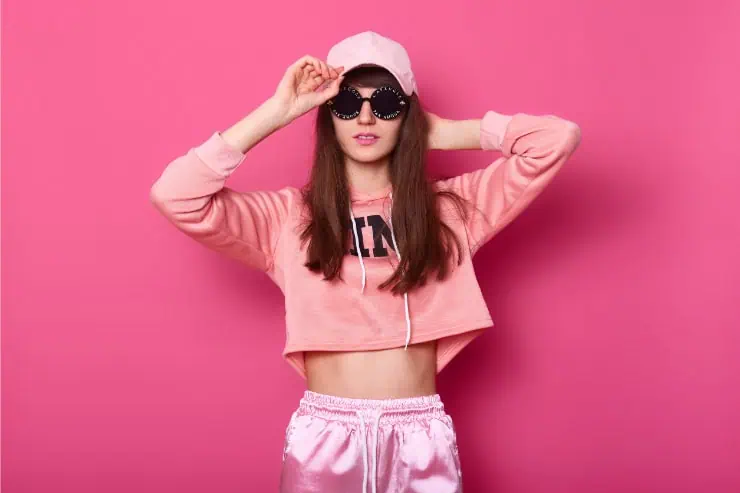
Perhaps the deepest comfort-dressing mistake is psychological: clothing becomes purely functional. When ease dominates decisions, style intention fades. Outfits default to whatever feels least restrictive, not what feels most flattering. Chic midlife dressers still start with comfort but finish with refinement. They choose soft pieces that also create line, balance, and quiet tailoring. Stylists describe this as “guided comfort”: garments that feel effortless yet appear considered. The difference is small adjustments hemlines, drape, subtle waist shaping. These preserve identity while honoring physical ease.