The 1970s was a decade that broke the mold, bold prints, dramatic silhouettes, and a spirit of freedom defined its fashion landscape. From groovy bell-bottoms to glitzy disco glam, the era embraced self-expression like no other. Whether drawn to bohemian flair or glittering nightlife aesthetics, everyone could find a style that matched their personality. Designers like Diane von Fürstenberg and Halston became household names, while streetwear, music, and politics heavily influenced what people wore.
Table of Contents
1. Bell‑Bottoms & Flares
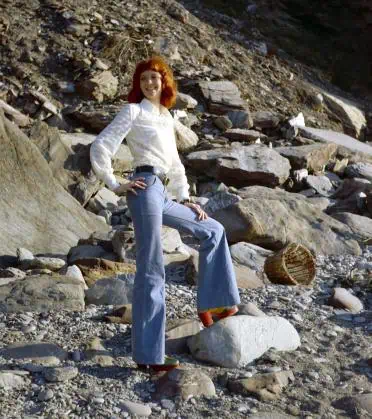
Bell‑bottoms, defined by trousers flaring from the knee to dramatic widths, dominated 1970s wardrobes. Denim versions emerged from the 1960s and became mainstream in the ‘70s, worn with platform or Cuban‑heeled shoes. Made in denim, cotton, and shiny polyester, they symbolized individuality and the decade’s love for volume. Paired with fitted tops, they created a balanced silhouette that accentuated waistlines and offered movement on dance floors. By the late ’70s, bell‑bottoms were ubiquitous, iconic enough to even inspire musical homages, before skinny styles emerged around 1979.
2. Wrap Dresses by Diane von Fürstenberg
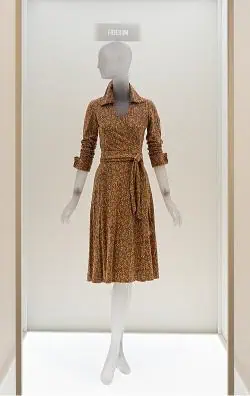
Launched in 1974, DVF’s jersey wrap dress revolutionized women’s fashion by blending comfort, appeal, and empowerment. A stretchy, waist‑tying garment that hugged the body without restriction, it became a symbol of the women’s liberation era. Universally flattering and appropriate for both office and nightlife, it sold 25,000 units per week initially and over a million by 1976. It wasn’t just a trend, it signified liberation. Praised as a design breakthrough by Vogue and featured in documentaries, the wrap dress remains a staple, representing timeless sophistication and feminist expression.
3. Disco Metallics & Platform Shoes
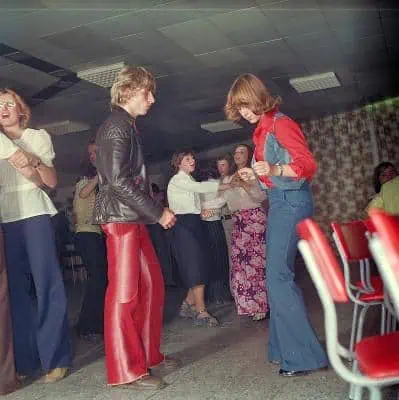
As disco nights at Studio 54 beckoned, metallic fabrics and platforms took center stage. Gold lamé, glittering Lurex, and satin dominated dresses, pants, jumpsuits, absorbing and reflecting dance floor lights. Women paired these with chunky platform shoes, thick‑soled heels that elevated stature and presence. Daytime shimmer became mainstream, from dresses to accessories, underscoring the decade’s fascination with glamour and nightlife flair. These bold, reflective ensembles weren’t just fashion, they captured the celebratory spirit of an era seeking escape and expression.
4. Peasant & Hippie Blouses
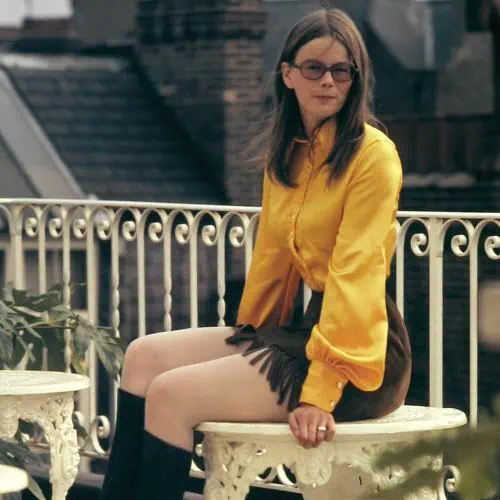
At the start of the decade, hippie-inspired peasant blouses ruled. Loose, embroidered tops carrying ethnic patterns from Mexico, Hungary, and Native cultures added a folk‑infused charm. Paired with bell-bottoms, gauchos, ponchos, and maxi skirts, they epitomized bohemian freedom. Accessories like headbands, chokers, wooden beads, and leather sandals completed the look. Rooted in 1960s counterculture, these pieces symbolized anti-establishment ideals, individuality, and a love of artisanal craft. The blend of bright colors and ethnic prints cemented peasant styles as emblematic of early‑70s fashion rebellion.
5. Statement Collars & Leisure Suits
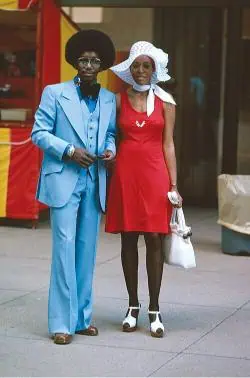
Oversized pointed collars defined both men’s and women’s shirts, jackets, and leisure suits. These collars added flair to polyester ensembles, epitomizing 1970s formality mixed with bold design. Leisure suits, often double-knit and topped with matching flared pants, were the height of upscale casual. Their attention-attracting collars reflected disco-era confidence and theatricality. Whether in neon prints or muted tones, the collar was a powerful style element that signaled playful elegance and nostalgia alike.
6. Maxi Dresses & Prairie Styles
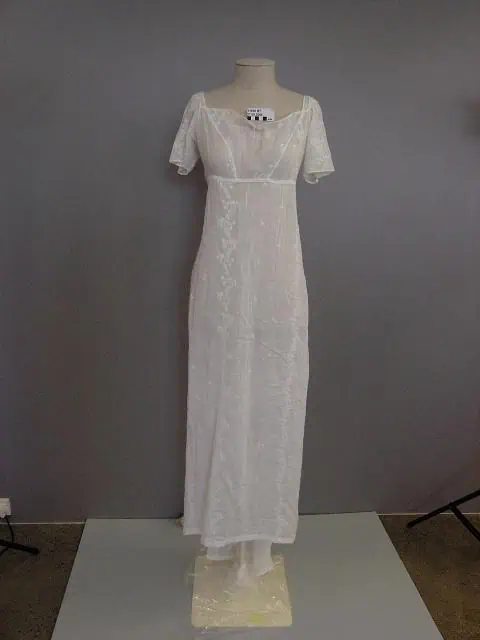
The decade welcomed a romantic revival of Victorian-inspired maxi and prairie dresses. With empire waists, tiered skirts, and flowing silhouettes, they fused feminine nostalgia with youthful abandon. Fabrics like cotton, chiffon, and gauzy blends featured florals, small prints, and lace details. Maxi styles represented comfort and whimsical femininity, often worn layered with shawls or boots. Designers like Yves Saint Laurent embraced the aesthetic, marrying folk influences with high fashion. These dresses offered elegance and ease, perfect for daytime gatherings or summer soirées.
7. Disco Jumpsuits & Spandex Boilersuits
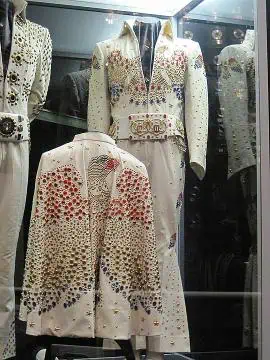
One‑piece jumpsuits, usually crafted in satin, spandex, or Lycra, were the disco era’s functional fashion heroes. Offering ease of movement with style, they combined high-waist structure, shimmering fabric, and sometimes halter or plunging necklines. These suits allowed seamless transitions from day to night, embodying the decade’s love of versatility. Unisex styles often accented hips and waists with belts. Both genders embraced the look, substantiating jumpsuits as a symbol of performance, empowerment, and bold unity.
8. Designer Denim Evolution

The 1970s ushered in designer denim, with brands like Calvin Klein and Gloria Vanderbilt elevating jeans to high fashion. Crafted in dark, structured washes and slouchy or straight-leg cuts, these styles showed a newfound elegance. High-rise structures and fine detailing created pieces worth more than casual wear. This principle extended denim into suits and tailored looks. Designer jeans legitimized the material on runways and boardrooms, merging American workwear roots with elevated fashion.
9. Glam Rock & Androgyny
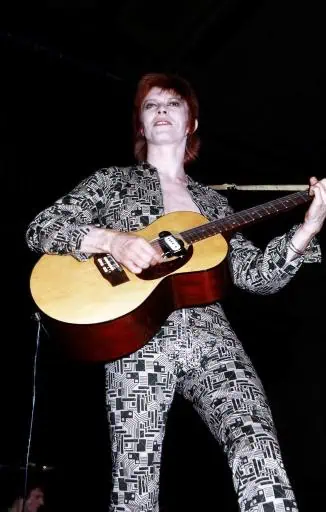
Glam rock, led by icons like David Bowie, brought flamboyance to fashion. Gender-bending aesthetics featured metallic trousers, rhinestone embellishments, tight halter tops, and ostrich boas. Makeup for both sexes broke boundaries, while platform boots and boldly patterned scarves embraced theatricality. This avant-garde wave rebelled against hippie softness and poker-faced minimalism, focusing instead on artistic expression, sensuality, and radical self-definition. Its legacy persists in fashion that challenges gender norms.
10. Midi Skirts & Wrap Separates
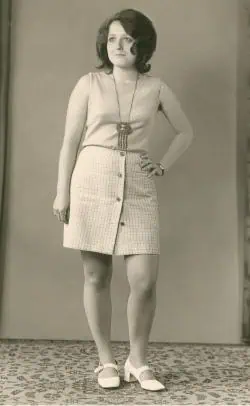
The midi length became mainstream around 1970, skirt hemlines that fell mid-calf offered a modest yet stylish alternative to minis. Wrap skirts and skirts with side slits allowed movement, merging formality with comfort. Paired with wrap blouses or lightweight sweaters, these silhouettes mirrored the wrap dress’s versatility. Structured yet relaxed, the midi style provided coverage, sophistication, and adaptability. It served as a link between formal and casual dressing, suitable for both weekday and weekend ensembles.
11. Turtlenecks, Knits & Layering
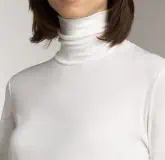
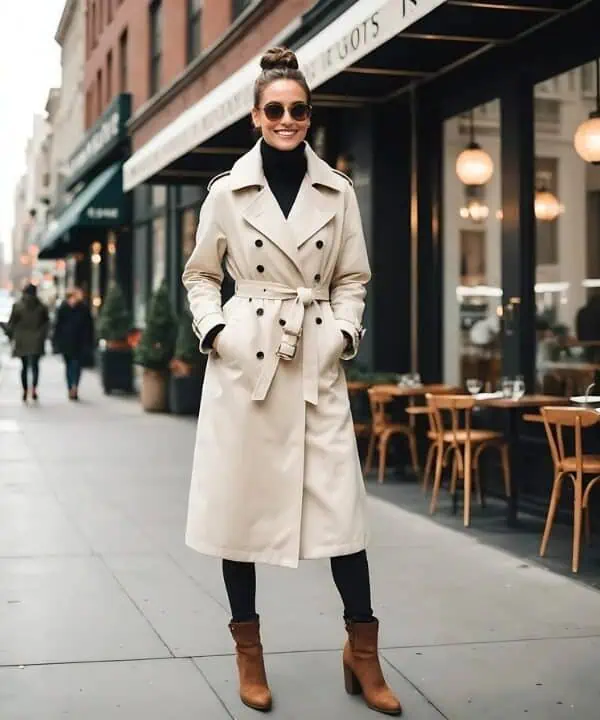
Layering was central to ’70s style, especially in cooler seasons. Fitted turtlenecks, ribbed knits, and long-sleeve tees were versatile staples. These were often worn under vests, woven jackets, or maxi dresses. Knits came in ribbed cotton or chunky yarns with rich autumnal tones. The look conveyed cozy ease and modern sophistication, embracing texture and depth without cumbersome volume. It reflected the era’s practicality and stylistic variety: comfort with nuanced flair.
12. Peaked Blazers & Sportcoats
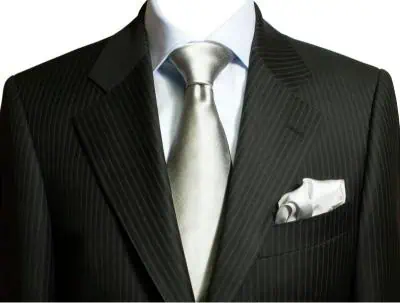
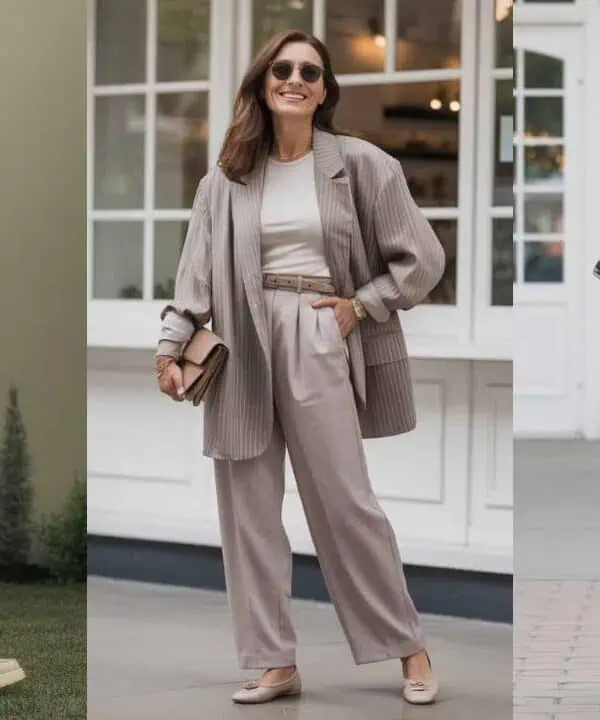
Blazers with structured shoulders, peaked lapels, and tailored waists were worn with wide-leg trousers for androgynous chic. This tailored menswear-inspired look was suitable for work and after-hours. Often featured in neutrals, tweeds, or polyester blends, these jackets provided framework to flowing skirts or flared pants. They walked the line between masculine structure and feminine expression, signaling empowerment and sophistication.
13. Statement Sunglasses & Aviator Shades
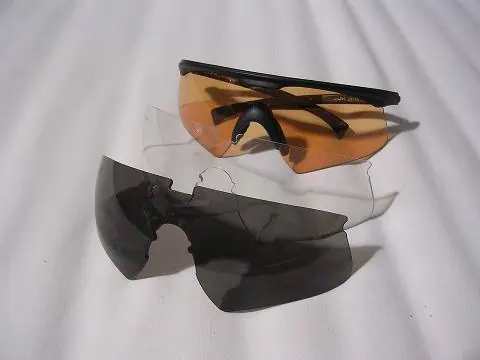
Oversized sunglasses, aviator styles with massive lenses or thick frames, became iconic 1970s accessories. These glamorous shields complemented wide‑collar shirts and leisure suits, offering celebrity flair. Unisex designs in gradient tints and bold shapes asserted confidence and poise. These eyewear choices weren’t just functional; they expressed style identity and status.
14. Leisure Suits & Silk Shirts
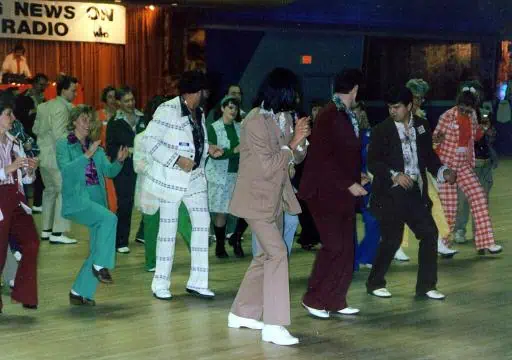
Leisure suits, often double-knit in polyester with matching flared trousers, symbolized upscale casual sophistication. Frequently worn with silk or acetate shirts featuring bold prints and collars, they celebrated nightlife and corporate leisure. Liberated silhouettes, often unbuttoned to mid-chest and paired with medallions, demonstrated relaxed confidence. The ensemble represented comfort, style, and a flamboyant blend of formality and freedom.
15. Punk Beginnings & DIY Edge
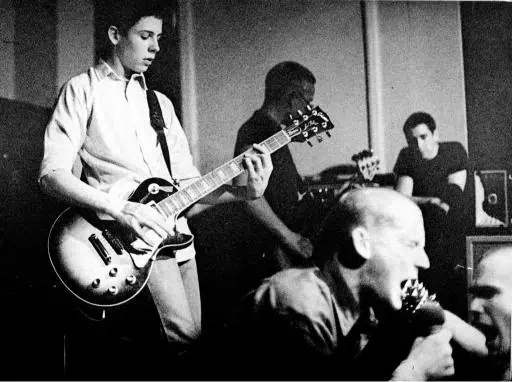
By 1977–79, punk emerged in London and NY, challenging mainstream glam. It brought DIY sensibilities, safety pins, leather jackets, torn jeans, and graphic tees, into the mainstream. This anti-fashion movement rejected disco opulence, advocating rawness, anti-establishment values, and self-expression through deconstruction. Punk’s rebellious aesthetics laid the groundwork for future street style, demonstrating the decade’s versatility and subcultural influence.