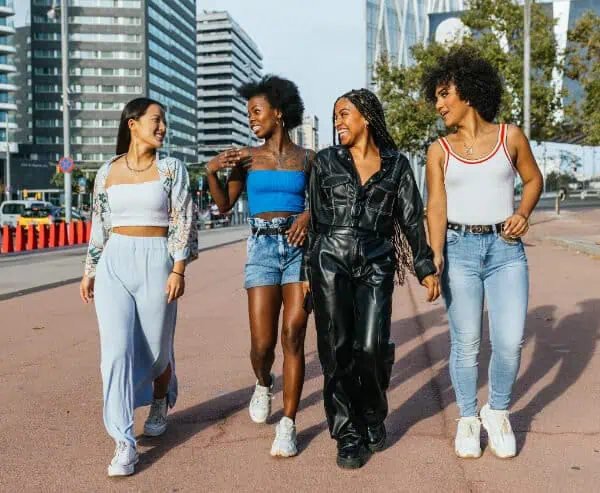
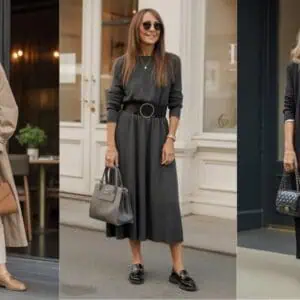
Many people assume tailoring is only about size if a garment isn’t too tight or too loose, it should look polished. Yet truly tailored clothing isn’t defined by fit alone; it’s about alignment with the body’s proportions, structure, and movement. When subtle elements like shoulder placement, sleeve length, fabric weight, or garment balance are off, clothes can appear slightly sloppy or generic even if measurements are correct. The eye senses imbalance long before we consciously identify it. That’s why outfits can feel “almost right” but never sharp. Understanding the hidden reasons clothing fails to look tailored reveals how proportion, scale, and construction not just size create that crisp, intentional finish.
Table of Contents
1. Shoulder Seams Don’t Align With Your Natural Shoulders

The shoulder is the architectural anchor of most garments. When the seam sits even slightly beyond or inside your natural shoulder point, the entire piece loses structure. A dropped seam softens the upper body and makes the garment look borrowed, while a seam that cuts inward creates tension and distortion across the chest. Even if the torso fits perfectly, misaligned shoulders prevent a clean line from neck to sleeve. Tailoring visually begins here because shoulders define posture, width, and authority. When they’re off, everything below looks less precise.
2. Sleeve Length and Width Are Slightly Off
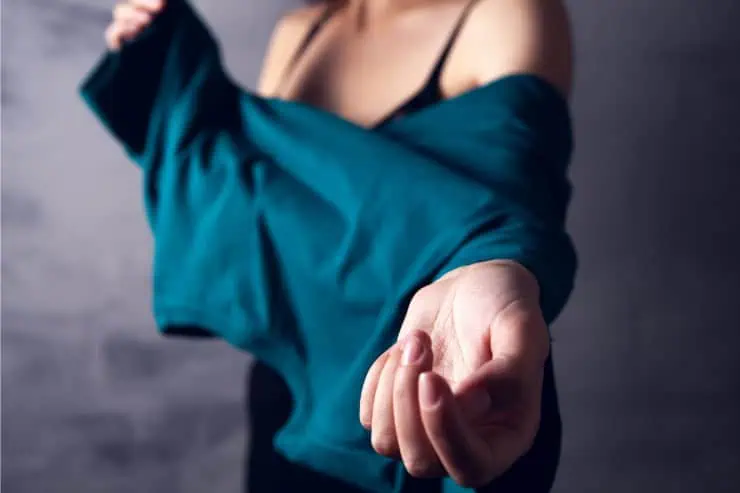
Sleeves communicate refinement more than most people realize. Too long, and they bunch at the wrist; too short, and they interrupt the arm line. Excess width creates rippling folds that read as looseness, while overly narrow sleeves strain and crease. Even subtle imbalance changes how structured the garment appears in motion. A tailored sleeve follows the arm’s natural taper and ends exactly where the wrist bone meets the hand. When this relationship is wrong, the eye reads the entire garment as less custom even if the body fit elsewhere is correct.
3. The Garment Lacks Internal Structure
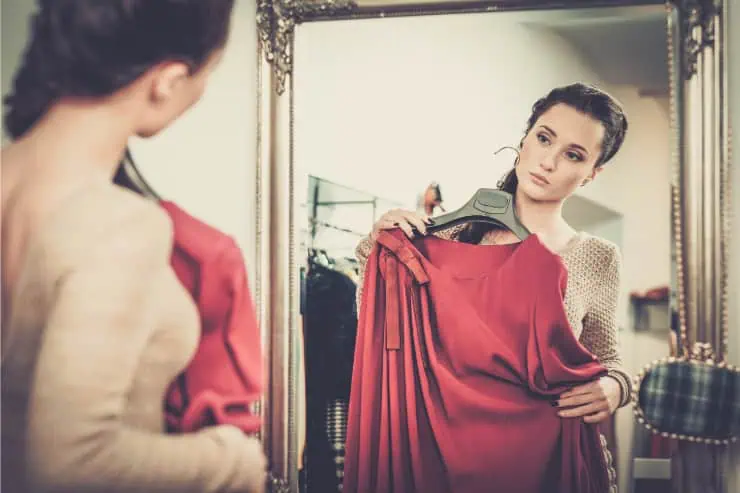
True tailored clothing often contains hidden architecture: interfacing, canvassing, darts, or shaping seams that guide how fabric sits on the body. Without this internal support, garments rely only on drape, which can collapse or sag slightly over time. This is common in fast-fashion blazers, coats, and trousers that are cut simply to reduce cost. Even when they fit, they don’t hold a crisp silhouette. Structure allows fabric to maintain clean planes and angles that signal tailoring. Without it, clothes look soft and generic rather than sculpted.
4. Proportions Don’t Match Your Body Scale

A jacket length that cuts at the wrong point on your torso, lapels too wide for your frame, or pockets placed too low can subtly distort proportion. These scale mismatches create imbalance between garment and body. For example, a long blazer on a short torso compresses the legs, while oversized details overwhelm small frames. Tailored appearance depends on harmony between garment architecture and body geometry. When proportions conflict even slightly the piece looks ready-made rather than custom, regardless of actual fit.
5. Fabric Is Too Soft or Too Stiff for the Design
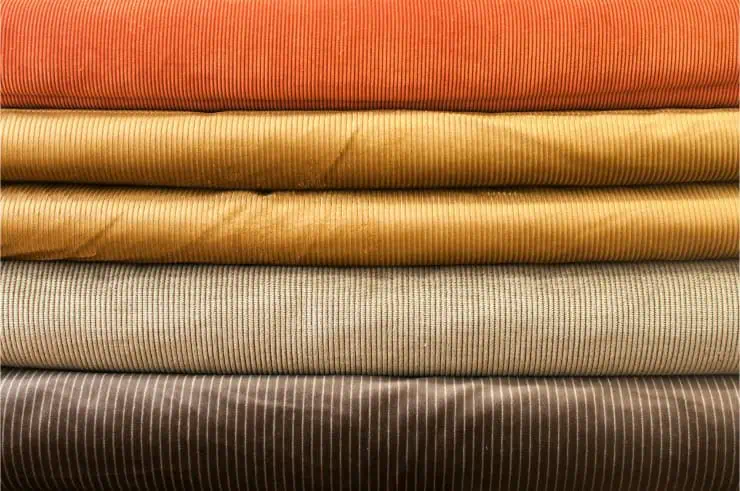
Fabric behavior determines how clearly a garment can hold shape. If a structured design uses fabric that’s too fluid, edges blur and seams ripple. If the fabric is overly stiff for a relaxed design, it stands away from the body and looks forced. Tailored clothing depends on the right tension between structure and drape. The material must support the intended silhouette without collapsing or resisting. When fabric and design are mismatched, clothes look off-the-rack even when measurements are correct.
6. Hemlines and Break Points Are Unbalanced

Where a garment ends matters as much as how it fits. Trouser hems that bunch excessively, skirts that cut mid-calf at the widest point, or jackets ending at an awkward torso division disrupt visual flow. Tailored clothing respects anatomical landmarks wrist, hip, knee, ankle so lines appear intentional. When hemlines land randomly, the outfit loses precision. Even perfectly fitted garments can look sloppy if the break point interrupts natural body proportions.