Makeup rules are often passed down as absolutes, but most were created decades ago when products, formulations, lighting, and beauty standards were completely different. After 60, skin changes in texture, elasticity, and tone, yet many women continue following the same instructions they learned in their 30s or 40s. The result is makeup that emphasizes lines, dulls the complexion, or feels heavy rather than enhancing natural features. Modern makeup artistry focuses on flexibility, softness, and adaptation. Letting go of rigid rules isn’t about lowering standards it’s about updating them.
Table of Contents
1. “You Must Switch to Matte Everything”
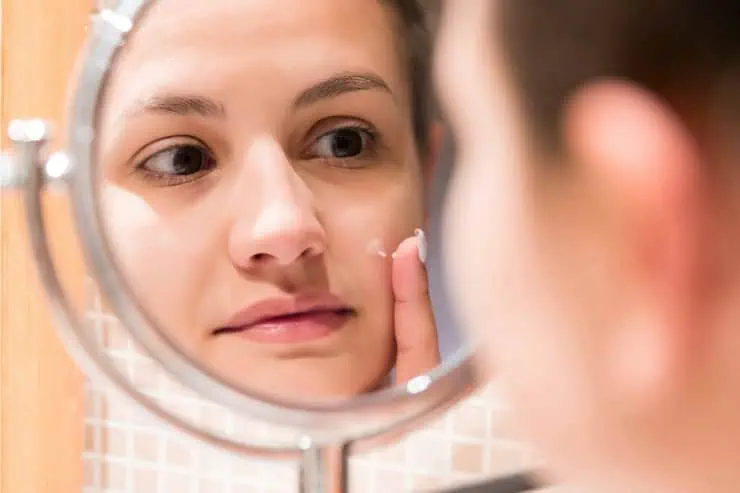
This rule is one of the most damaging for mature skin. While matte finishes were once recommended to control shine and look polished, they often exaggerate dryness, texture, and fine lines after 60. Completely matte foundations, powders, and lip products can drain the face of dimension and make skin appear flat or tired. Modern makeup artists focus on strategic luminosity a soft, skin-like finish that reflects light subtly. This doesn’t mean looking shiny or oily; it means allowing a gentle glow where the skin naturally catches light. Cream and satin finishes move with the skin instead of sitting on top of it. Matte can still have a place, but it should be selective, not the default.
2. “Darker Lipstick Is More Sophisticated”
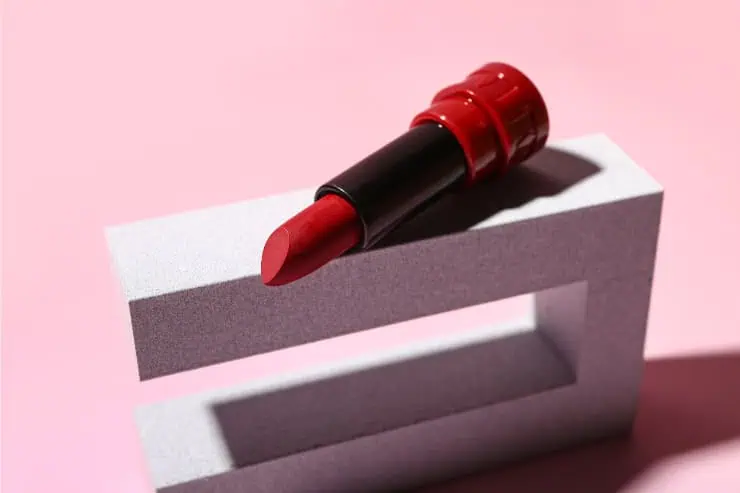
For years, women were told that deeper lipstick shades were more elegant and age-appropriate. While rich colors can be beautiful, overly dark lipstick often does the opposite of what’s intended after 60 it pulls attention downward, sharpens lines around the mouth, and can make lips appear thinner. As natural lip volume decreases with age, heavy or dark pigments can emphasize that change. Softer, mid-tone shades rose, warm berry, muted coral, or sheer reds tend to lift the face and create a healthier appearance. Modern sophistication comes from harmony with skin tone and lip texture, not from darkness alone. Depth can still be present, but softness matters more than intensity.
3. “Powder Is Essential for a Finished Look”
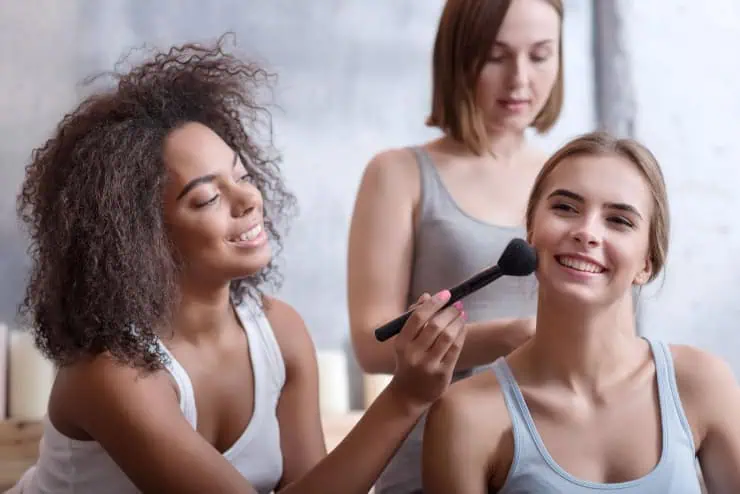
This rule dates back to a time when makeup longevity depended heavily on powder. Today, over-powdering is one of the quickest ways to age the face. Powder settles into fine lines, emphasizes dryness, and creates a heavy, mask like finish on mature skin. Younger makeup artists now use powder sparingly, if at all focusing only on areas that truly need it, like the sides of the nose or center of the forehead. Cream and liquid products blend more naturally and preserve skin movement. A face doesn’t need to look perfectly matte to look polished. In fact, movement and softness are what make makeup look modern and flattering after 60.
4. “Neutral Eye Makeup Is Always Safer”
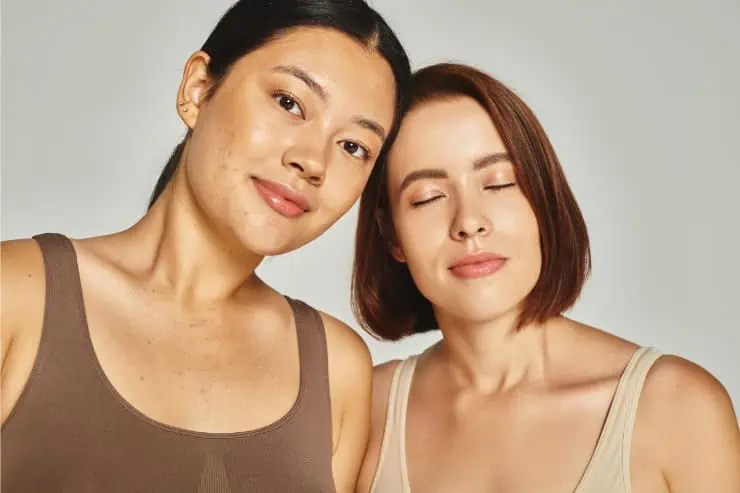
Neutral eye makeup is often recommended as the “safe” option for mature women, but overly beige or gray tones can drain warmth from the face and make eyes look tired. As contrast naturally decreases with age, makeup needs to restore some of that vitality. Younger artists favor soft warmth muted bronze, taupe with warmth, soft plum, or gentle rose tones over flat neutrals. These shades enhance eye color and brighten the face without looking dramatic. Neutral doesn’t have to mean lifeless. The right amount of warmth adds depth, definition, and freshness, which is far more flattering than playing it overly safe.
5. “Less Makeup Always Looks Better After 60”
While heavy makeup can be aging, the idea that less is always better oversimplifies the issue. It’s not about quantity it’s about placement and product choice. Minimal makeup that ignores brows, lips, or complexion balance can make features fade rather than glow. After 60, makeup’s role often shifts from decoration to restoration bringing back definition, warmth, and contrast that naturally softens with time. Thoughtful makeup, even when subtle, requires intention. Well-groomed brows, a touch of blush, defined lashes, and a flattering lip shade often make a bigger impact than bare skin alone. The goal isn’t invisibility it’s vitality.