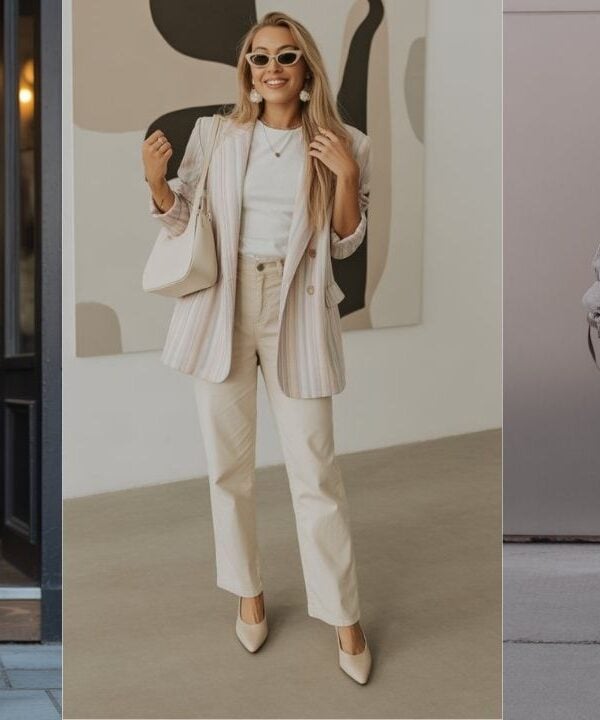
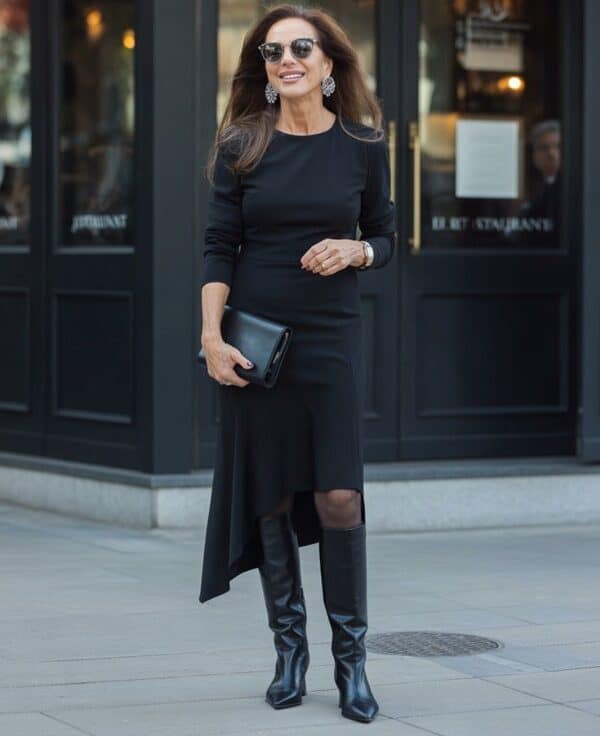
Great style after 60 isn’t about perfection, trends, or following rules it’s about awareness. Stylists often say that most outfit issues aren’t about the clothes themselves, but about how they come together. The 30-second mirror test is a simple, powerful tool professionals use to assess whether an outfit feels modern, balanced, and intentional. It doesn’t involve zooming in on flaws or overanalyzing your body. Instead, it focuses on overall impression. This quick check helps you spot subtle issues proportion, heaviness, distraction that quietly age an outfit. It’s not about changing everything. It’s about adjusting one thing before you walk out the door.
Table of Contents
1. Step Back and Look at the Outfit as a Whole

The first step is distance. Stylists always step back several feet from the mirror because style is about impact, not detail. Up close, you’ll fixate on fit, wrinkles, or perceived flaws. From a distance, you see what others see: silhouette, balance, and mood. Ask yourself: does the outfit feel calm or busy? Balanced or bottom-heavy? Intentional or accidental? After 60, outfits that work best read clearly at a glance. If your eye doesn’t know where to land, something is competing. This step often reveals issues instantly too much volume, clashing elements, or outdated combinations—without needing deep analysis.
2. Notice Where Your Eye Is Drawn First

Stylists pay close attention to focal points. In the mirror, notice where your eye goes immediately. Is it your face? Or is it pulled downward by shoes, pants, or an awkward hem? Ideally, attention should rise toward your face, posture, and expression. When shoes are too bulky, pants too tight, or accessories too loud, the eye gets stuck. This often makes outfits feel heavier or older than they are. The goal isn’t to hide anything it’s to guide attention. If your eye lands somewhere you didn’t intend, that’s your cue to adjust one element, not the entire outfit.
3. Ask: Does This Look Intentional or Habitual?

This is one of the most revealing questions in the mirror test. Stylists can immediately tell when an outfit was chosen thoughtfully versus out of habit. Habit outfits rely on defaults same pants, same shoes, same layering without considering whether they still work together. After 60, habits can quietly freeze style in time. Ask yourself: would I choose this again today, or did I grab it automatically? Intentional outfits feel awake. Habitual ones feel tired. Often, changing just one piece a shoe, a layer, or an accessory can shift the entire impression from routine to refined.
4. Check Proportion, Not Fit
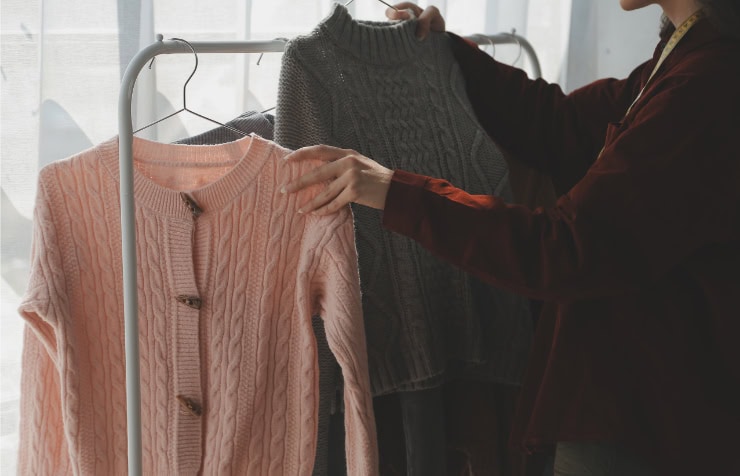
This step is crucial and often misunderstood. Stylists don’t ask, “Does this fit?” They ask, “Does this balance?” An outfit can fit perfectly and still feel off. Look at lengths: where does the top end, where do the pants break, where do shoes hit the ankle? After 60, proportion matters more than body hugging cuts. Too-long tops with slim bottoms can look heavy; cropped layers with wide pants can feel abrupt. The mirror test helps you spot imbalance quickly. If something feels visually off, it usually is and it’s almost always a proportion issue, not a body issue.
5. Do You Look Like Yourself Today?

The final and most important step: identity. Stylists ask clients whether the outfit reflects who they are now, not who they were ten years ago or who they think they should be. The mirror test isn’t about youth it’s about relevance. Does the outfit feel current to your life, your energy, your confidence? Or does it feel like armor, nostalgia, or compromise? After 60, the most stylish women dress in alignment with their present selves. If something feels disconnected, you’ll see it immediately in the mirror. Trust that instinct it’s rarely wrong.