The tuck has quietly become one of the most powerful styling tools and one of the most misunderstood. What looks effortless on one person can look awkward on another, leading many women to abandon tucking altogether or default to the same method every time. Stylists emphasize that tucking is less about trends and more about proportion, fabric, and intention. The right tuck creates balance, defines shape, and modernizes an outfit instantly. The wrong one can feel forced, dated, or uncomfortable. Understanding when to fully tuck, half-tuck, or leave a top untucked removes confusion and restores confidence. This isn’t about copying influencers it’s about reading the outfit in front of you.
Table of Contents
1. Full Tuck: When Structure and Polish Are the Goal
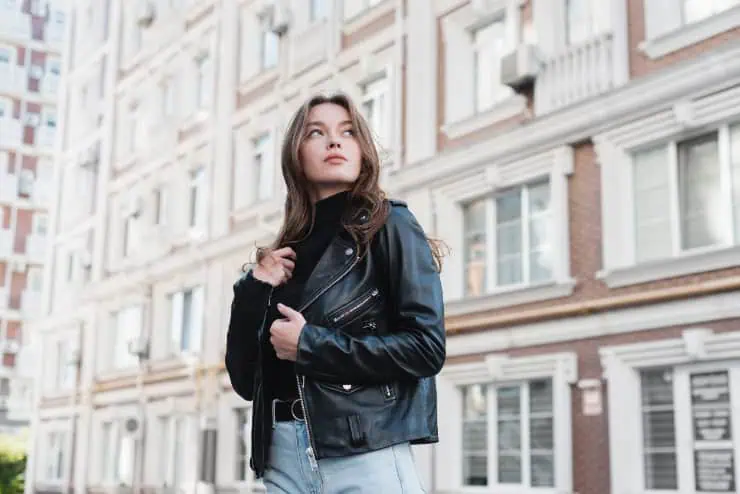
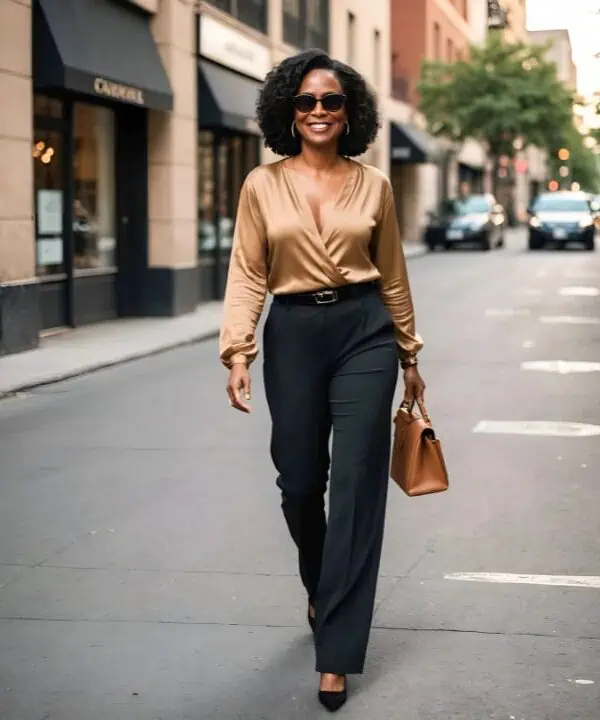
A full tuck works best when the outfit needs clarity and structure. Stylists recommend a full tuck with tailored trousers, pencil skirts, pleated pants, or any bottom designed to define the waist. Crisp shirts, silk blouses, fine-gauge knits, and lightweight sweaters respond best because they lie flat and don’t create bulk. A full tuck sharpens the silhouette and visually lengthens the leg line. However, forcing a full tuck with thick fabrics or boxy tops often results in discomfort and bunching. When done intentionally, a full tuck communicates confidence, polish, and control rather than stiffness.
2. Half Tuck: When Ease and Modernity Matter
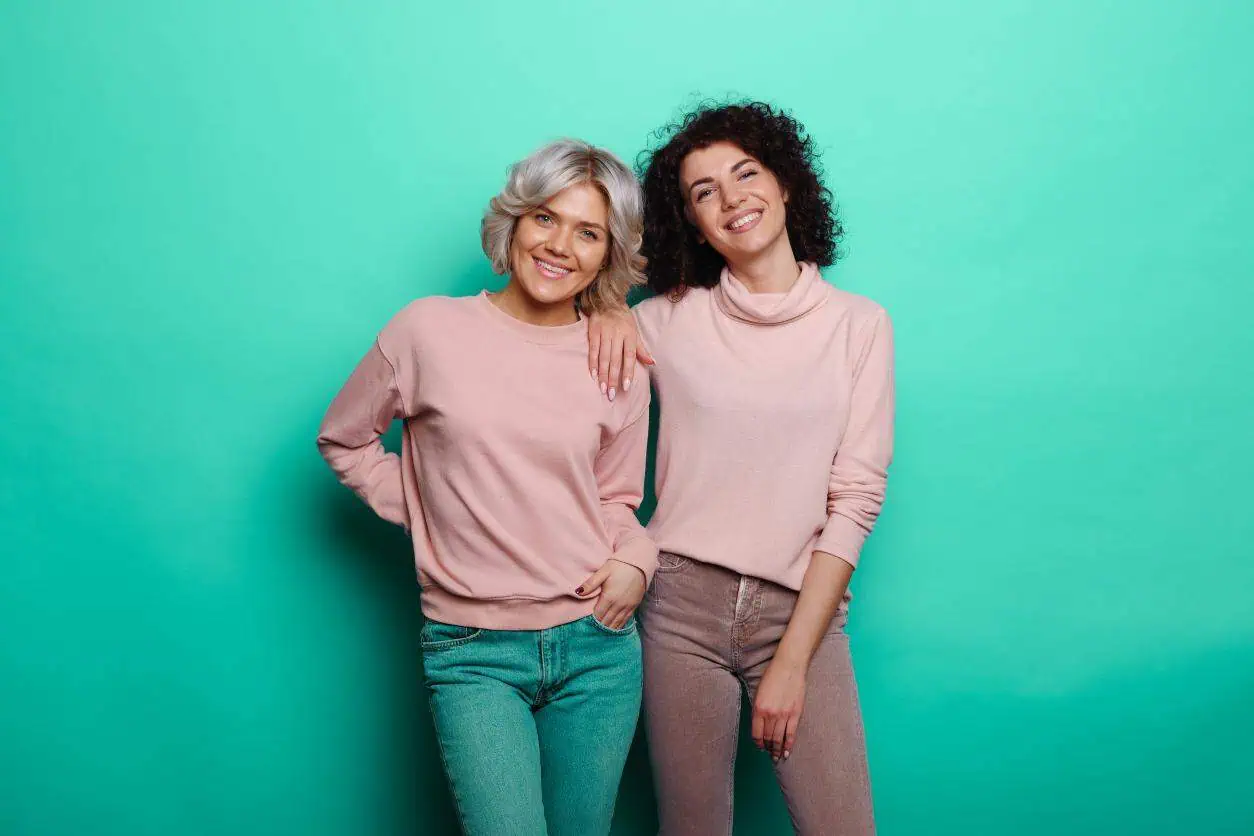
The half-tuck often called the French tuck is about relaxed intention. Stylists favor this option for casual outfits where a full tuck would feel too formal. It works especially well with denim, relaxed trousers, and softer knits. The half-tuck introduces asymmetry, which feels modern and effortless. However, it must still be deliberate. Stylists caution against random tucking; instead, anchor the tuck slightly off-center and allow the rest of the fabric to fall naturally. When done correctly, the half-tuck adds shape without removing comfort, making it ideal for everyday wear that still looks styled.
3. Leaving It Untucked: When the Garment Is the Statement
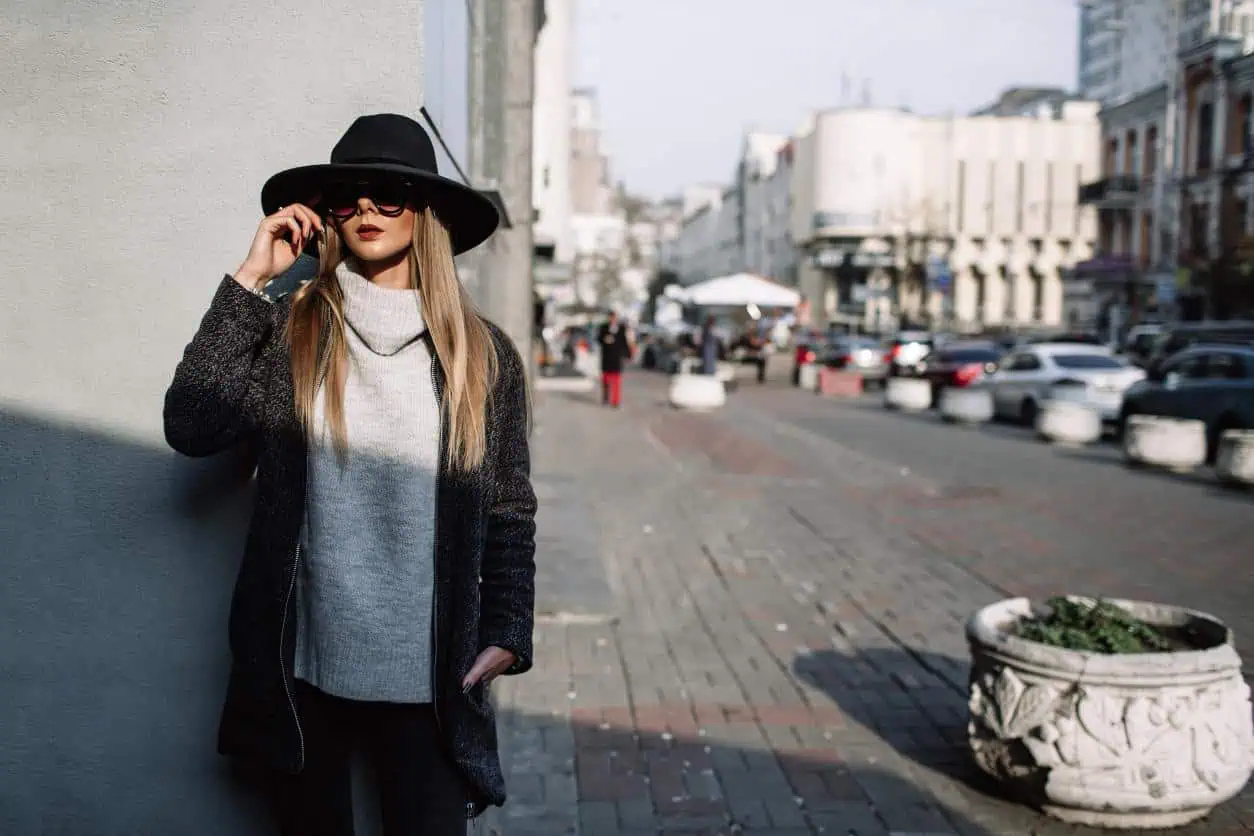
Some tops are designed to be worn untucked and tucking them ruins their intention. Tunics, longer blouses, architectural tops, and fluid knits often rely on length and drape for impact. Stylists recommend leaving these pieces untucked when the hem hits a flattering point and the fabric flows cleanly. Untucked doesn’t mean shapeless it means intentional. Proportion is key: if the top is longer or looser, the bottom should be more streamlined. Leaving a top untucked can feel modern, confident, and elegant when the garment is allowed to do the work it was designed to do.
4. Fabric Weight Determines Everything
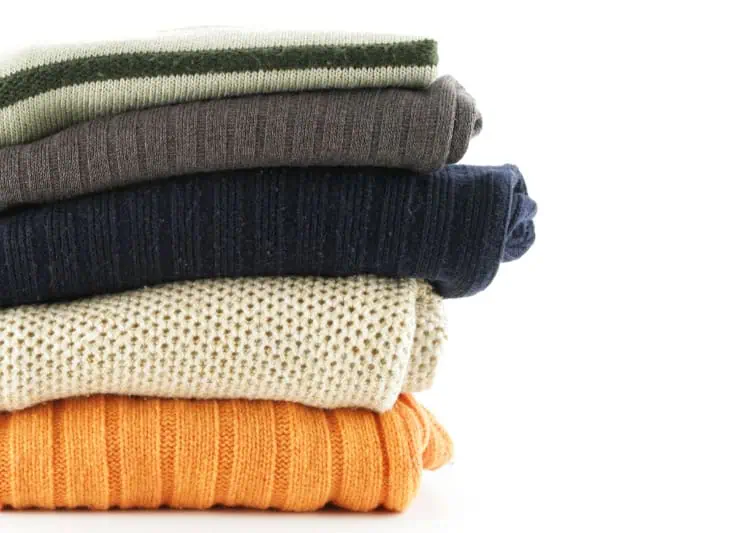
Fabric plays a larger role in tucking than most people realize. Lightweight fabrics tuck easily and create clean lines, while heavy or stiff fabrics resist structure. Stylists often see women struggling with tucks simply because the fabric isn’t cooperating. Thick sweaters, rigid cottons, or bulky knits rarely benefit from full tucks and often look awkward half-tucked. In these cases, leaving the top untucked or using a strategic front tuck with minimal fabric works better. Understanding fabric behavior removes frustration and prevents outfits from looking forced or uncomfortable.
5. Proportion, Not Body Type, Should Guide the Choice

Stylists emphasize that tucking decisions should be based on proportion not body type rules. The goal is visual balance, not hiding or highlighting specific areas. A tuck should support the overall silhouette by balancing volume, length, and structure. If the bottom is wide, a tuck can add definition. If the bottom is slim, an untucked or softly tucked top can add ease. When proportion is prioritized, outfits feel intentional rather than corrective. This mindset shifts focus away from self-criticism and toward styling strategy, which always results in more confident dressing.