Trends promise instant relevance, yet the women most consistently described as chic often ignore them entirely. Their outfits rarely look dated, forced, or overly styled because they rely on deeper principles than seasonal fashion. The real secret isn’t specific garments it’s how clothing relates to the body through proportion, fabric quality, and quiet structure. These elements create harmony that outlasts trend cycles. When garments align with personal scale and movement, they appear naturally refined regardless of era. Trend-independent dressing also reduces decision fatigue and wardrobe turnover. Chic style becomes stable rather than reactive.
Table of Contents
1. They Dress for Proportion, Not Fashion Cycles

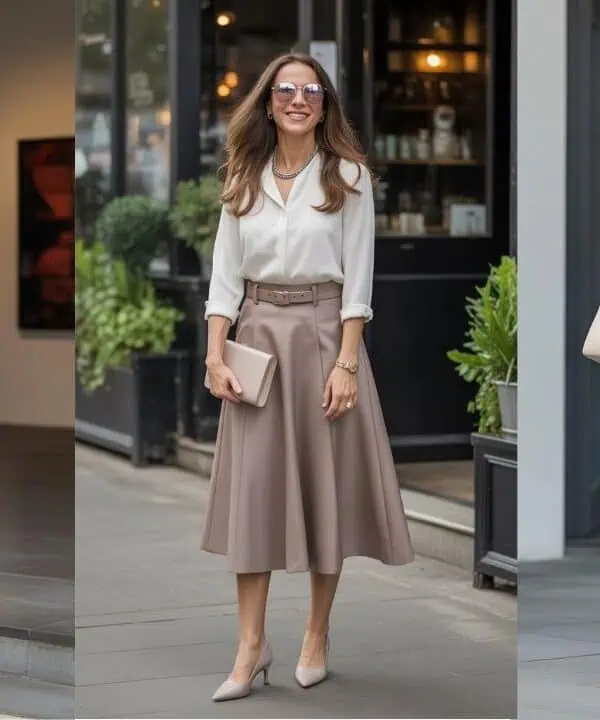
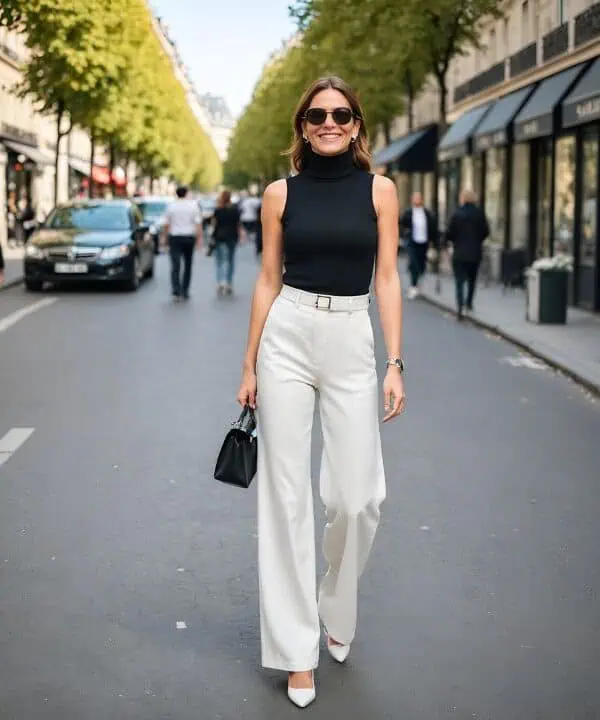
Chic dressers evaluate where garments begin and end on their body rather than whether they’re currently popular. Jacket length relative to torso, trouser rise relative to leg length, and sleeve placement relative to shoulder determine visual harmony. When these relationships are balanced, the silhouette appears intentional and flattering regardless of trend era. A proportionally right blazer from ten years ago will look better than a trend correct one cut for a different body scale. Because proportion is body specific rather than time-specific, it remains valid across decades. Dressing decisions become anchored in personal geometry rather than external fashion direction.
2. They Choose Fabrics That Hold Shape Gently

Fabric behavior largely determines whether clothing appears refined or ordinary. Chic wardrobes favor materials with subtle structure wools, twills, ponte knits, quality cottons that maintain clean lines while still moving with the body. These fabrics resist collapse and excessive wrinkling, preserving silhouette throughout wear. Even simple garments look elevated because the material supports their form. By contrast, very flimsy or overly stiff fabrics distort proportion or appear cheap. Choosing fabrics that hold gentle architecture ensures garments remain visually composed. This quiet structural integrity reads as timeless polish.
3. They Limit Visual Noise

Trend driven outfits often layer statements bold prints, dramatic shapes, novelty details creating visual competition. Chic dressing reduces this noise. Clean lines, restrained color palettes, and minimal embellishment allow proportion and fit to lead. The eye registers harmony rather than distraction. This doesn’t mean boring clothing; it means clarity. When garments are visually calm, their quality and cut become more noticeable. Simplicity also prevents pieces from being tied to specific fashion moments. A quiet garment remains relevant longer because nothing about it signals a particular trend wave.
4. They Repeat Silhouettes That Work

Instead of chasing new shapes each season, chic women identify silhouettes that suit their body and lifestyle, then repeat them across fabrics and variations. A preferred trouser cut, skirt length, or jacket shape becomes a personal uniform. This repetition refines fit knowledge and ensures consistency. Over time, the wardrobe develops cohesion because shapes relate. Trend turnover is unnecessary; evolution happens through material, color, or subtle updates. Familiar silhouettes also reduce dressing time and increase confidence. The wearer knows the form works. Style becomes recognizable and stable rather than experimental.
5. They Prioritize Fit Over Brand or Novelty

A well-fitting garment from any source appears more elegant than an ill-fitting luxury piece. Chic dressers focus on how clothing aligns with their body shoulder placement, waist position, hem length rather than labels or design novelty. Minor tailoring adjustments are common because precision enhances silhouette clarity. When fit is correct, fabric falls smoothly and proportion reads clean. The garment looks intentional rather than approximate. This emphasis keeps style independent of market trends or status signaling. Elegance arises from alignment, not branding.