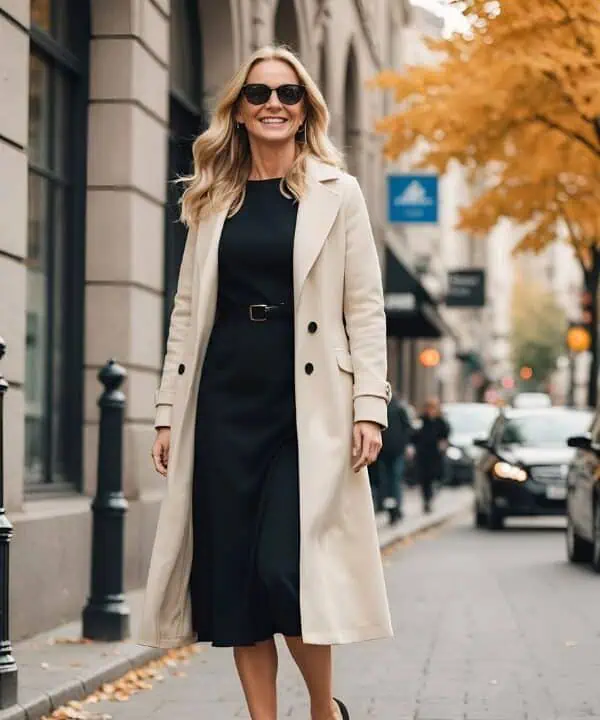
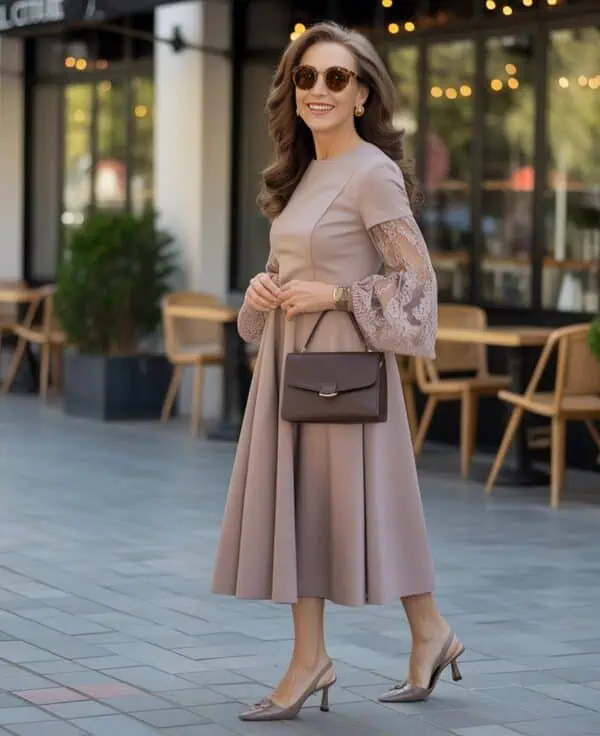
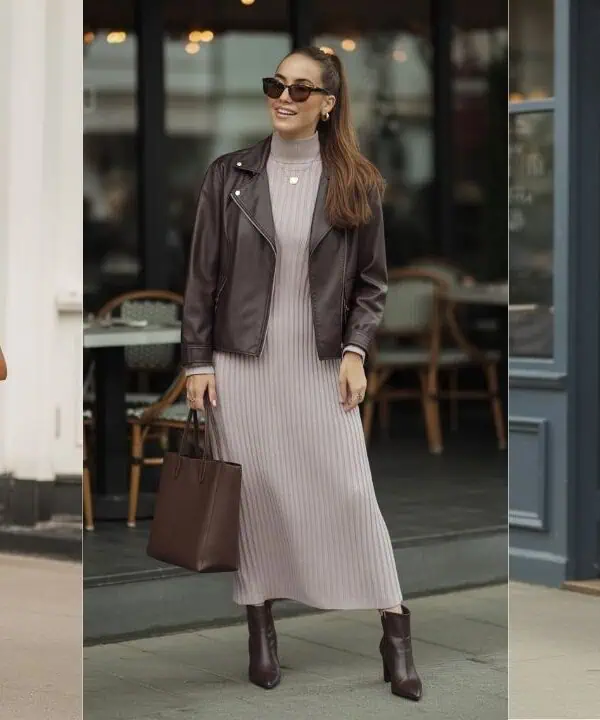
Getting dressed becomes easier when clothing naturally coordinates, flatters, and feels comfortable without adjustment. Structured soft garments pieces that combine gentle tailoring with flexible drape do exactly that. They remove the usual trade offs between looking polished and feeling at ease. Because these clothes hold subtle shape while remaining wearable, they pair seamlessly with other items, adapt to different settings, and maintain proportion without constant styling. Many women find their most reliable outfits share this balanced construction. Instead of wrestling with rigid tailoring or shapeless casualwear, structured soft clothing streamlines choices.
Table of Contents
1. Pieces Coordinate Naturally With Each Other

Structured soft garments tend to share similar construction logic gentle shaping, fluid fabric, and balanced proportions which makes them visually compatible. When tops, bottoms, dresses, and layers all fall within this same tension range, outfits assemble almost automatically. A softly tailored blazer complements fluid trousers or a knit skirt without looking mismatched in stiffness or looseness. Because no piece dominates or collapses, the silhouette remains cohesive from shoulder to hem. This removes the mental work of evaluating whether items clash in structure. Instead of carefully pairing opposites to create balance, the wardrobe functions harmoniously. Getting dressed becomes a matter of selecting pieces rather than engineering proportion.
2. They Eliminate Fit Guesswork
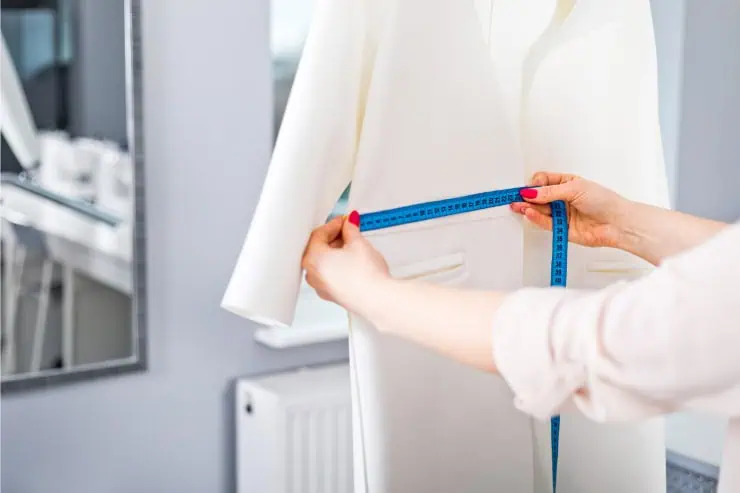
Traditional tailoring demands exact measurements, while oversized clothing relies on deliberate styling choices. Structured soft garments sit between these extremes, meaning they tolerate minor fit variation without losing polish. Fabrics with gentle stretch and cuts with subtle shaping adapt to the body’s contours rather than forcing precise alignment. Waistbands flex, shoulders settle naturally, and drape adjusts without pulling or sagging. This forgiving nature reduces the stress of finding the “perfect” size and minimizes the need for alterations. Even when the body fluctuates slightly, the garment continues to look intentional. Dressing becomes less about precision fitting and more about comfortable alignment.
3. They Work Across Multiple Occasions

One of the biggest obstacles in dressing is managing clothing categories casual, work, social, travel. Structured soft pieces blur these boundaries. Because they hold enough shape to appear polished yet remain relaxed in feel, they transition smoothly between contexts. A knit blazer can accompany tailored trousers for meetings or denim for errands without looking out of place. A fluid dress reads refined with flats during the day and elegant with heels at night. This versatility reduces wardrobe segmentation and outfit changes. When garments function across environments, daily decisions simplify. Fewer pieces serve more roles, and dressing becomes adaptable rather than situational.
4. They Maintain Shape All Day
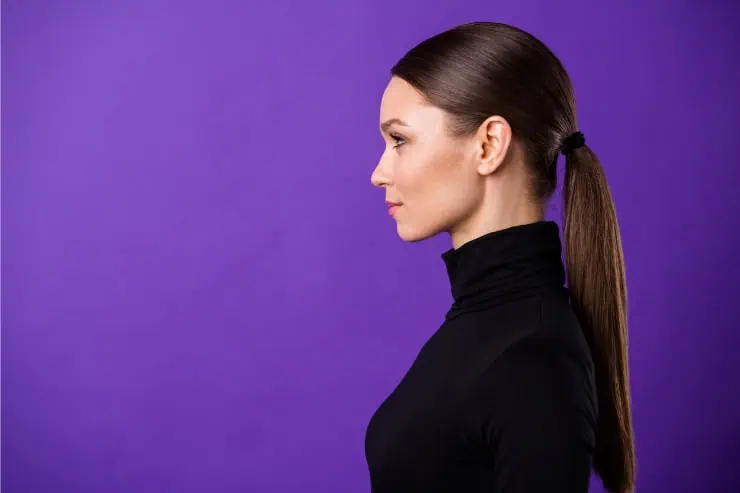
Clothing that collapses or shifts requires constant adjustment, while rigid garments resist movement and become uncomfortable. Structured-soft clothing maintains its outline through normal activity because the fabric supports form without stiffness. Seams stay aligned, hems hang correctly, and drape remains consistent even after sitting, walking, or bending. The wearer doesn’t need to tug, smooth, or reposition throughout the day. This reliability creates ease not just in dressing initially, but in wearing. When clothes stay composed, mental attention shifts away from maintenance. Outfits look as polished in the evening as they did in the morning, simplifying both preparation and wear.
5. They Reduce Layering Complexity

Many outfits rely on layering to achieve shape or polish adding jackets, belts, or structured pieces over softer bases. Structured soft garments already integrate both qualities, reducing the need for corrective layers. A softly tailored dress or shaped knit top can stand alone without requiring extra definition or balance. This simplifies decisions about temperature, proportion, and coordination. Fewer pieces are needed to achieve a complete look, which speeds dressing and lightens visual weight. When base garments carry inherent structure and comfort, layering becomes optional rather than necessary. The wardrobe functions with fewer moving parts.
6. They Flatter Without Special Styling

Some garments look good only when styled precisely tucked, belted, or paired with specific silhouettes. Structured soft clothing tends to flatter inherently because its cut already aligns with body contours and proportions. Gentle waist suggestion, clean shoulder placement, and controlled drape create shape without manipulation. Even when worn simply untucked, unbelted, or with basic footwear the garment maintains visual balance. This autonomy reduces reliance on styling tricks or adjustments. Dressing confidence increases because pieces perform reliably on their own. The wearer doesn’t need to engineer proportion each time; it’s built into the clothing.
7. They Travel and Store Easily

Highly structured garments wrinkle and lose form when folded, while very soft pieces stretch or collapse. Structured-soft fabrics resist both problems. They often recover shape quickly after packing and hold their drape without heavy creasing. This makes them practical for travel, storage, and everyday handling. Clothing that doesn’t demand steaming, ironing, or reshaping reduces preparation time. When garments move easily between closet, suitcase, and body, dressing logistics simplify. Maintenance effort drops, and reliability increases. Ease of care directly translates into ease of use.
8. They Adapt to Body Changes
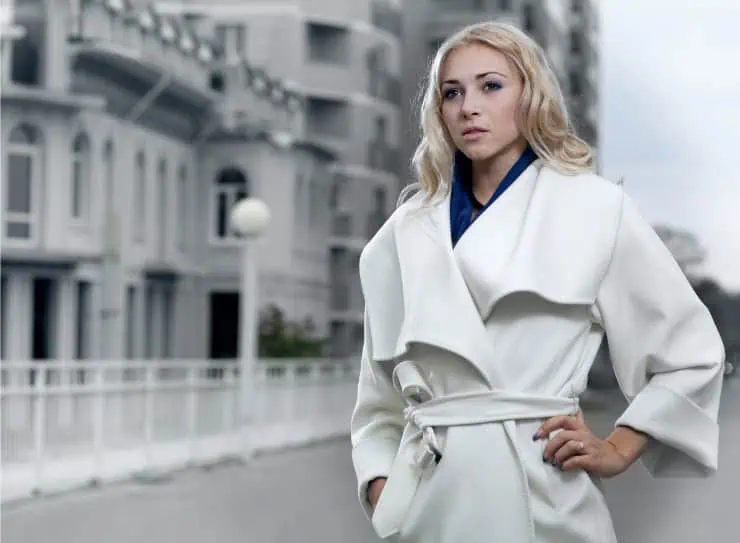
Bodies naturally fluctuate due to time of day, lifestyle, or long-term changes. Rigid tailoring becomes tight or restrictive, while oversized clothing quickly looks sloppy. Structured soft garments accommodate these shifts gracefully. Stretch fibers, forgiving seams, and flexible shaping allow the clothing to move with the body rather than resist it. The silhouette remains proportionate even as measurements vary slightly. This adaptability keeps more pieces in rotation longer and reduces the need to rework the wardrobe. Dressing stays consistent because garments continue to fit and flatter across change.
9. They Create Instant Polish

Perhaps the greatest ease comes from the immediate refinement structured-soft clothing provides. Because the garment holds gentle architecture, even simple combinations appear intentional. A soft blazer with knit trousers or a fluid dress with flats already carries balanced proportion and clean lines. There is no need to add accessories or layers to “finish” the look. The clothing itself supplies structure and ease simultaneously. This built-in polish shortens the path from getting dressed to looking put-together. Style becomes inherent rather than constructed.