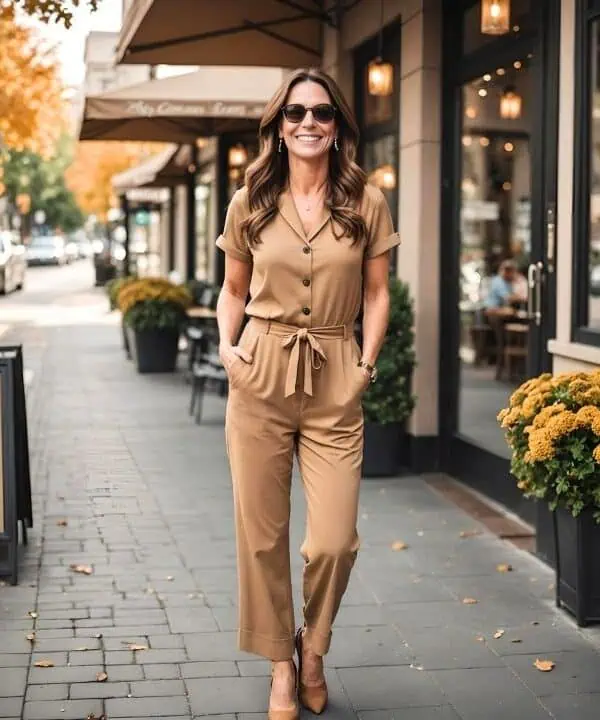
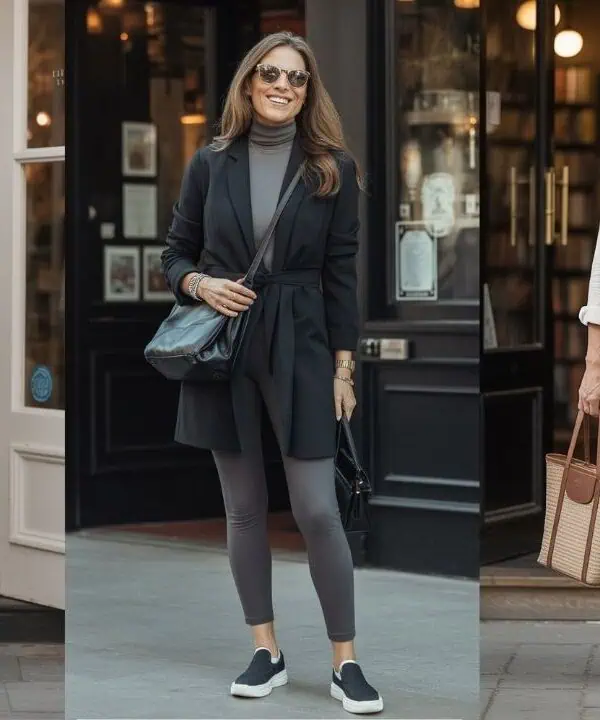
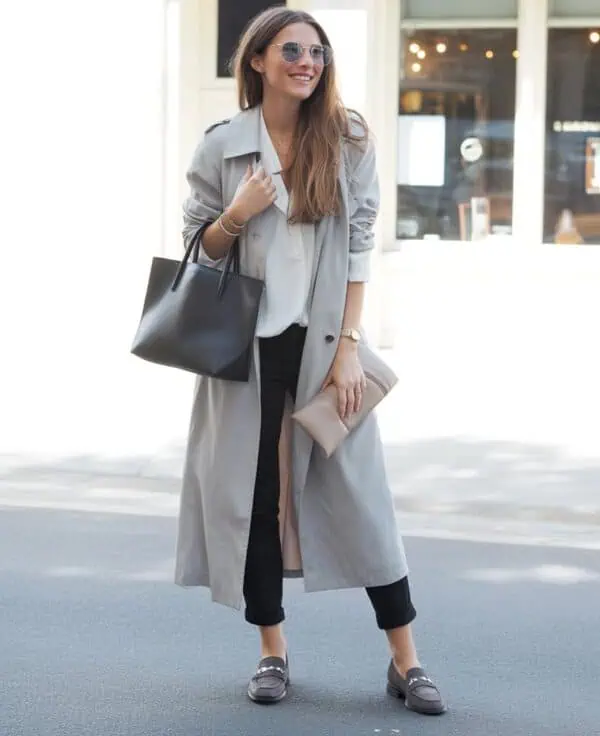
Layering is one of the easiest ways to elevate an outfit, but it often comes with one common problem color confusion. Mixing multiple shades can quickly go from stylish to chaotic if there’s no clear structure behind it. In 2026, fashion editors are solving this with a simple yet effective strategy known as the “3-color harmony rule.” Seen across street style at Paris Fashion Week and Milan Fashion Week, this approach limits outfits to three intentional colors that work together seamlessly. The result is a look that feels balanced, cohesive, and effortlessly chic without appearing overly matched or predictable.
Table of Contents
1. The Base Color: Your Foundation

The first step in the 3-color harmony rule is choosing a base color. This is the dominant shade that anchors your entire outfit. It is usually a neutral tone like black, beige, grey, or navy, but it can also be a muted color depending on your style. The base color often appears in larger pieces such as trousers, coats, or dresses. Its role is to create stability and give the eye a place to rest. At Paris Fashion Week, many layered looks relied on a strong base color to keep everything grounded. Without this foundation, an outfit can feel scattered, no matter how stylish the individual pieces are.
2. The Secondary Color: Adding Depth

The second color introduces contrast and depth to the outfit. It should complement the base color without overpowering it. This shade is often used in layering pieces such as blazers, knits, or shirts. The goal is to create a noticeable but harmonious difference that adds interest. At Milan Fashion Week, editors often paired neutrals with softer tones like olive, chocolate, or dusty blue to achieve this effect. This step is where the outfit begins to feel more dynamic, but still controlled. The key is to ensure that the secondary color enhances the base rather than competing with it.
3. The Accent Color: A Controlled Pop
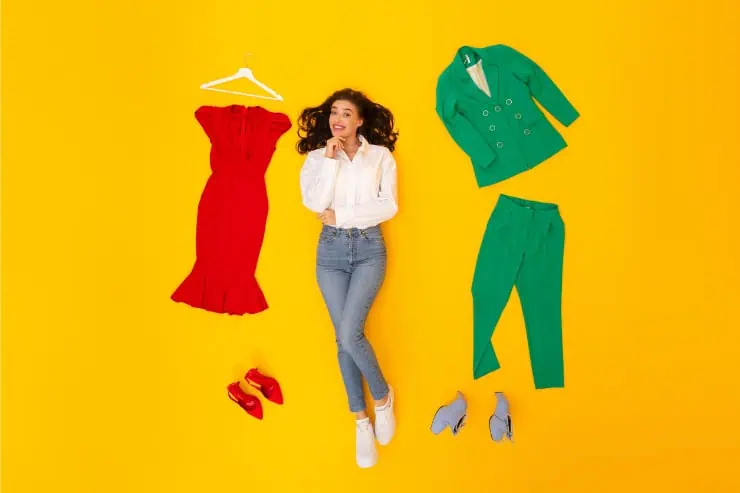
The third color is the accent, and it should be used sparingly. This is where you can introduce a brighter or more unexpected shade to bring the outfit to life. Accessories like scarves, bags, or shoes are ideal for this role. The accent color adds personality without overwhelming the look. At Paris Fashion Week, this technique was used to create subtle focal points that drew attention without disrupting the overall harmony. The key is restraint too much of the accent color can undo the balance created by the first two.
4. Why Limiting to Three Colors Works

The reason the 3-color rule is so effective is that it simplifies visual complexity. When too many colors are introduced, the eye struggles to find focus, which can make an outfit feel chaotic. By limiting the palette to three shades, you create a sense of order and intention. This approach allows each color to stand out while still working together. At Milan Fashion Week, this principle was evident in many street-style looks that felt both bold and cohesive. It proves that structure is key to creative styling.
5. Mixing Textures Within the Same Palette

One way to make a three-color outfit more interesting is by incorporating different textures. Even if the colors are limited, variations in fabric such as wool, silk, denim, or leather can add depth and dimension. This prevents the look from feeling flat or repetitive. At Paris Fashion Week, layered outfits often combined multiple textures within a controlled color palette. This technique enhances the overall aesthetic without introducing additional colors, keeping the outfit balanced and visually engaging.