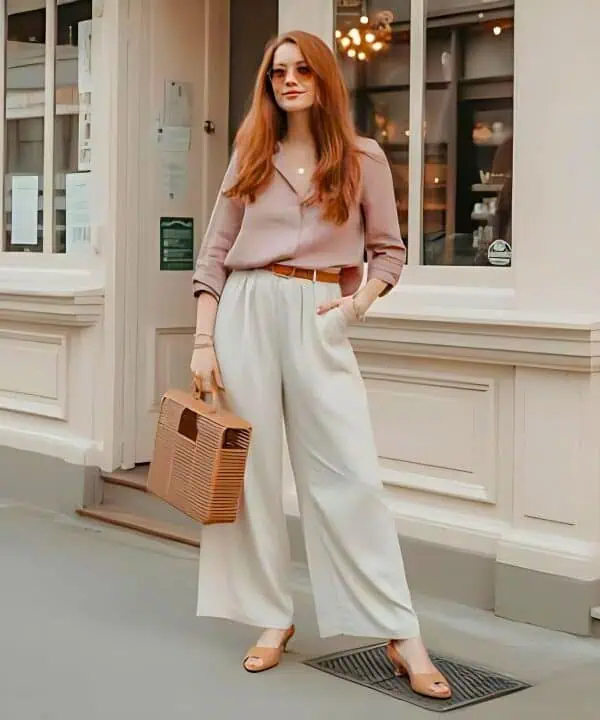
High-waisted pants and jeans have been promoted for years as the most flattering silhouette for nearly everyone. Stylists often say they lengthen the legs, define the waist, and create a sleek, balanced shape. While this can be true for some body types, the trend doesn’t work the same way for everyone especially for people with petite or shorter torsos. When the waistband rises too high, it can compress the torso and disrupt natural proportions, creating a boxy appearance rather than a lean one. The result is an outfit that looks stiff or bulky instead of streamlined. Understanding how waist placement affects body proportions can help create a much more flattering and balanced silhouette.
Table of Contents
1. Why Ultra High Waists Became So Popular
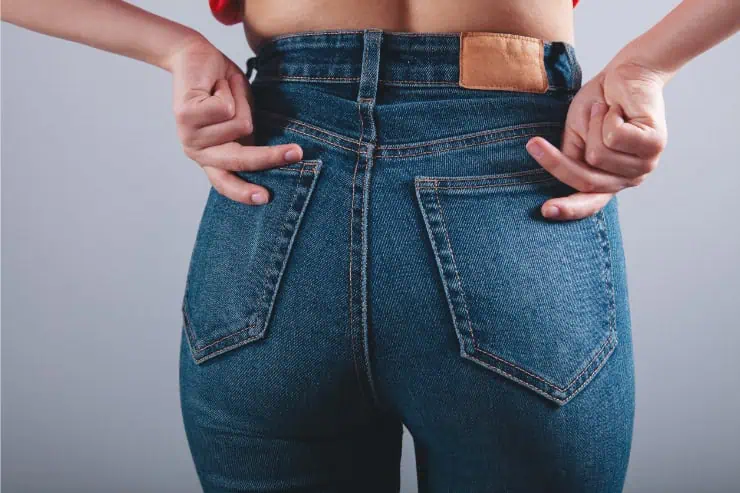
Ultra-high-waisted pants gained popularity because they dramatically lengthen the appearance of the legs. By raising the waistband closer to the natural waist or even above it the lower half of the body appears longer and more elongated. This effect photographs well and became widely promoted through fashion media and social platforms. Many brands embraced the trend, producing jeans and trousers with waistlines that rise several inches above the belly button. For people with longer torsos, this style can look balanced and flattering. However, for those with shorter torsos, the same design can compress the upper body and create awkward proportions.
2. How “Too High” Waists Create a Boxy Shape

When a waistband sits too high on a petite torso, it visually shortens the upper body even further. Instead of highlighting the natural waist, the fabric covers a large portion of the torso, making the space between the bust and hips appear compressed. This can remove the subtle curves that create a defined silhouette. The result is a shape that looks straighter and boxier rather than lean and elongated. In some cases, the high waistband can also bunch or fold when sitting or moving, adding extra bulk around the midsection and disrupting the clean lines that the style is meant to create.
3. The Proportion Problem Most People Miss
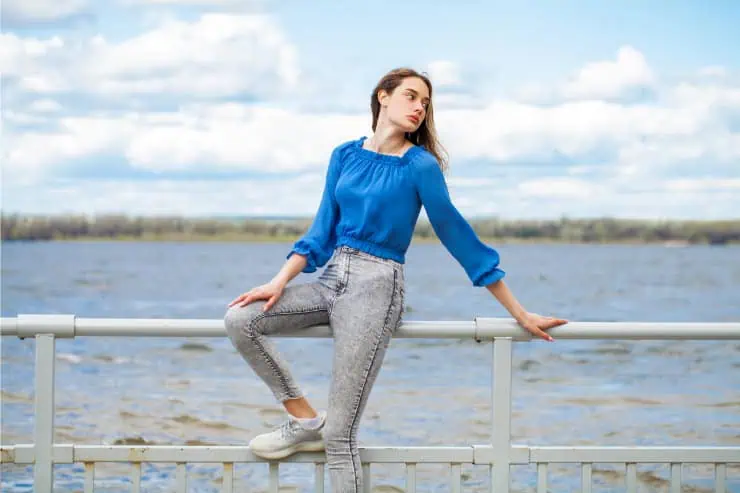
Fashion is largely about proportion, and the balance between the upper and lower halves of the body plays a major role in how clothing appears. Ultra-high waists shift that balance dramatically. For someone with a petite torso, the waistband may sit very close to the ribcage, leaving little visible space between the waist and bust. This creates the illusion that the torso is shorter than it actually is. When paired with cropped tops or tucked shirts, the effect becomes even stronger. Instead of creating a vertical line that elongates the body, the outfit may look compressed and visually divided.
4. The More Flattering Waist Height
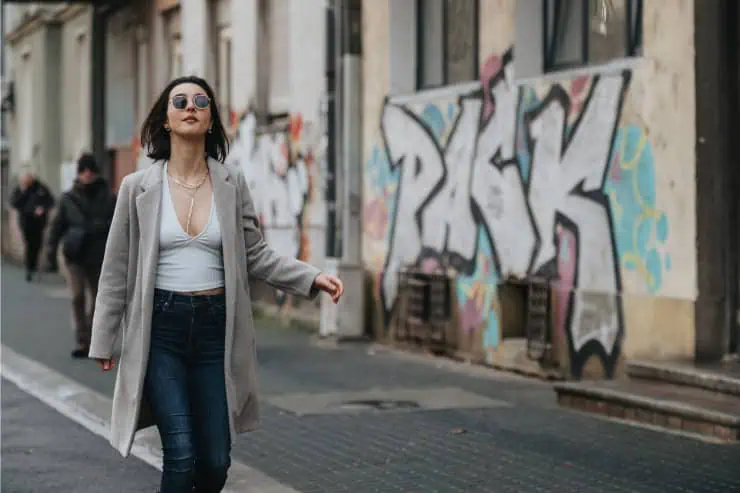
For many people with petite torsos, a mid-rise or moderate high-rise waist often creates a more flattering shape. These styles typically sit slightly below the natural waist, allowing more of the torso to remain visible. This subtle adjustment restores balance between the upper and lower body and creates a smoother, more natural silhouette. The legs can still appear long without sacrificing torso proportion. Clothing that sits at this height also tends to move more comfortably and create fewer bunching issues, making the overall look feel relaxed yet polished.
5. Styling Tricks That Restore Balance

If you already own ultra-high-waisted pants, a few styling adjustments can help improve the proportions. Wearing slightly longer tops rather than very cropped ones can visually extend the torso. Leaving shirts partially untucked or choosing tops with softer drape can also reduce the boxed-in effect created by a high waistband. Layering with jackets or cardigans that create vertical lines can further balance the silhouette. These small adjustments help break up the visual compression caused by extremely high waists, allowing outfits to look more proportional, comfortable, and naturally flattering.