Many women stop wearing dresses in winter not because they don’t love them, but because staying warm starts to feel complicated. After 60, comfort becomes non-negotiable, yet style still matters. Stylists say the problem isn’t dresses it’s how they’re layered. With the right fabrics, proportions, and footwear, dresses can be just as practical as pants in cold weather. In fact, they’re often easier. Winter dressing doesn’t require suffering through thin tights or bulky layers that ruin the look. These eight stylist approved strategies make dresses comfortable, warm, and wearable all season long without sacrificing polish or ease.
Table of Contents
1. Start with Thermal Base Layers That Stay Invisible

One of the biggest secrets to wearing dresses comfortably in cold weather is mastering what goes underneath. Lightweight thermal base layers have come a long way, and today’s options are soft, breathable, and nearly invisible under clothing. Stylists recommend thin thermal tops and leggings that fit close to the body without compression or bulk. These layers trap warmth while still allowing movement, which is especially important for all-day comfort. Neutral tones blend seamlessly under dresses, preventing lines or color show-through. For women over 60, this approach eliminates the need for piling on heavy outer layers while keeping the dress silhouette clean.
2. Choose Heavier, Winter Appropriate Dress Fabrics
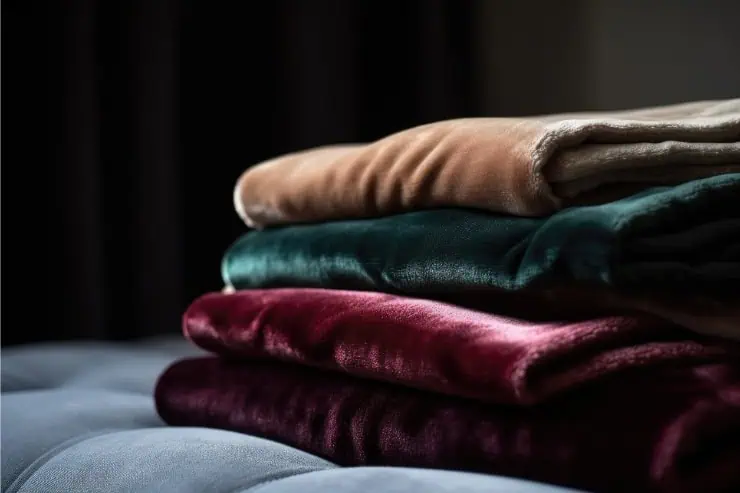
Fabric choice is one of the most overlooked aspects of winter dressing. Many women struggle in the cold simply because they’re wearing dresses made for warmer months. Stylists recommend prioritizing heavier fabrics like wool blends, ponte knit, thick jersey, and sweater knits during winter. These materials naturally retain heat while offering structure and drape that flatter the body. Heavier fabrics also layer better, preventing cling and bunching when worn over tights or thermals. For women over 60, these fabrics provide warmth without stiffness and tend to feel more forgiving and polished.
3. Swap Sheer Tights for Opaque or Fleece Lined Options

Cold legs are often the reason women give up on dresses in winter, but the solution is simpler than it seems. Sheer tights offer little to no warmth and can make winter outings uncomfortable fast. Opaque tights or fleece-lined versions provide real insulation while still looking elegant. Modern designs are stretchy, breathable, and smoothing perfect for women over 60 who value comfort as much as appearance. These tights pair beautifully with midi and knee-length dresses, creating a streamlined look that doesn’t feel bulky. Neutral shades like black, navy, and charcoal blend effortlessly into outfits.
4. Layer with Cardigans, Knit Jackets, or Soft Blazers

Layering is essential for winter dresses, but not all layers work equally well. Stylists recommend soft cardigans, knit jackets, or lightweight blazers that add warmth without overwhelming the dress. These pieces provide flexibility easy to remove indoors and comfortable enough to wear outside. Longer cardigans create a vertical line that elongates the body, while cropped or waist-length knits help define shape. For women over 60, choosing layers with movement and drape prevents outfits from feeling stiff or bulky.
5. Invest in a Coat That Actually Works with Dresses
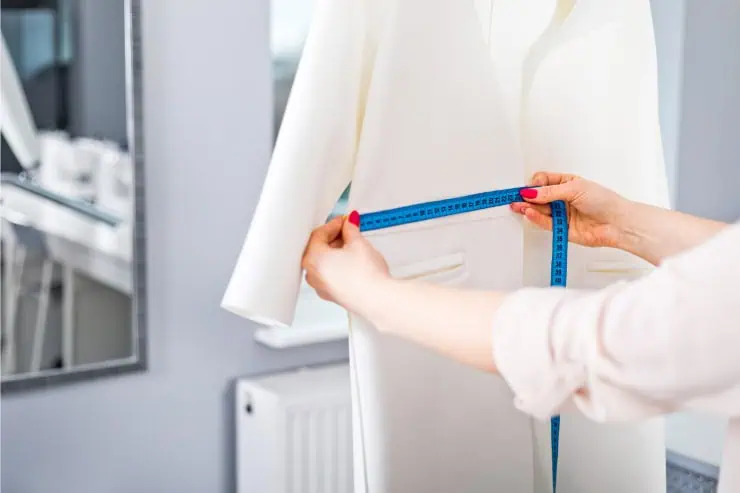
Many winter coats are designed with pants in mind, which can make dresses feel awkward or exposed. Stylists emphasize choosing a coat that complements dress length and shape. Mid-thigh to knee-length coats offer the best coverage without cutting the outfit in an unflattering place. Wool coats, wrap styles, and streamlined puffers provide warmth while maintaining clean lines. For women over 60, comfort and mobility matter coats should allow easy movement and layering underneath. A dress-friendly coat ensures warmth from the moment you step outside, removing the hesitation many women feel about wearing dresses in winter at all.
6. Choose Supportive, Insulated Boots Instead of Thin Shoes
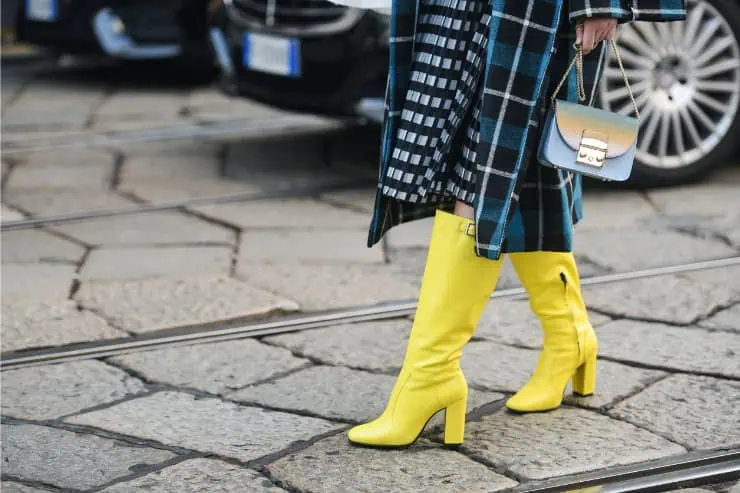
Footwear can make or break winter comfort when wearing dresses. Thin flats or dress shoes offer little protection from cold or wet conditions. Stylists recommend ankle or mid-calf boots with cushioned soles, insulation, and non-slip traction. These boots pair beautifully with dresses while providing warmth and stability. Low block heels or flat styles are especially popular among women over 60, offering support without sacrificing style.
7. Use Belts to Maintain Shape Without Restriction
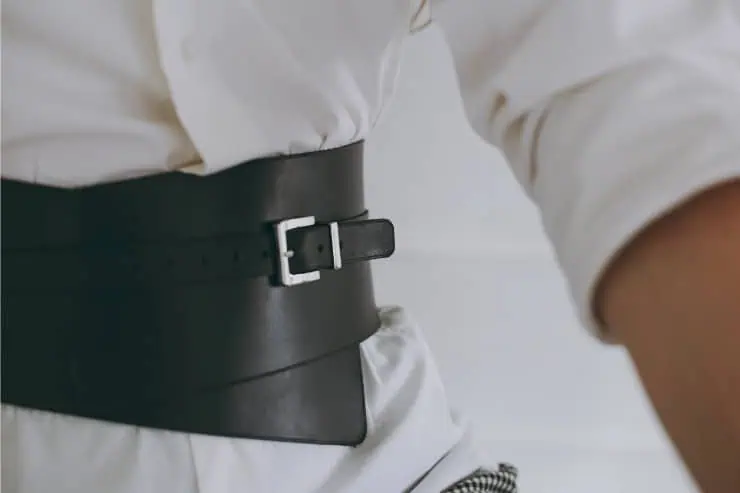
Layering for warmth can sometimes hide the natural shape of a dress, but belting is an easy solution. Stylists recommend soft, flexible belts that sit comfortably at the waist without digging in. Belting over a cardigan or coat defines the silhouette while keeping layers in place. For women over 60, this adds polish without discomfort or tightness. Belts also prevent winter outfits from feeling bulky or shapeless. Even a subtle belt can restore balance and structure to layered looks, making dresses feel intentional rather than hidden under layers. It’s a small adjustment that makes a big difference in comfort and confidence.
8. Finish with Warm Accessories That Look Styled, Not Random

Accessories are essential for winter warmth, but they shouldn’t feel like an afterthought. Stylists encourage women over 60 to treat scarves, gloves, and hosiery as part of the outfit rather than purely functional items. A wool or cashmere scarf adds warmth around the neck while introducing color or texture. Coordinated gloves and tights create a cohesive, polished look. Choosing accessories in complementary tones helps winter outfits feel pulled together instead of layered for survival. When accessories feel intentional, dresses look stylish even in the coldest months and comfort becomes effortless rather than forced.