Boots are one of the fastest ways to date or modernize an outfit. Because they’re worn daily and often chosen for comfort, many women hold onto “sensible” boot styles long after fashion has shifted. The problem isn’t practicality itself; it’s outdated proportion, shape, and styling logic. In 2026, boots are expected to balance function with intention. Heavy soles, awkward shaft heights, and overly utilitarian details now read tired rather than timeless.
Table of Contents
1. Mid Calf Boots with Rounded Toes
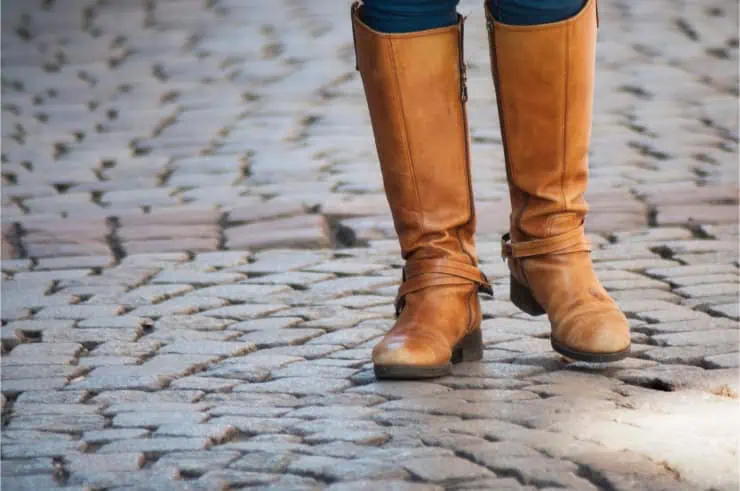
Mid-calf boots with softly rounded toes were once considered the ultimate sensible choice, but in 2026 they look especially dated. The shaft height cuts the leg at its widest point, visually shortening the silhouette, while the rounded toe lacks the sharpness modern outfits require. These boots often pair poorly with current trouser and skirt lengths, creating awkward proportions. What to wear instead: either ankle boots with a clean, defined toe or taller shaft boots that intentionally elongate the leg. Length and line matter more than ever, and mid-calf boots rarely deliver either.
2. Chunky Wedge Boots

Wedge boots were popular for their comfort and stability, but their bulky profile now feels heavy and outdated. In 2026, footwear trends favor visual lightness even when soles are substantial. Wedge boots compress the foot visually and often clash with streamlined silhouettes in modern clothing. They also tend to read casual in a way that feels unrefined. What to wear instead: boots with a solid block heel or refined platform that feels intentional rather than orthopedic. Structure and proportion are key to looking current.
3. Slouchy Knee High Boots
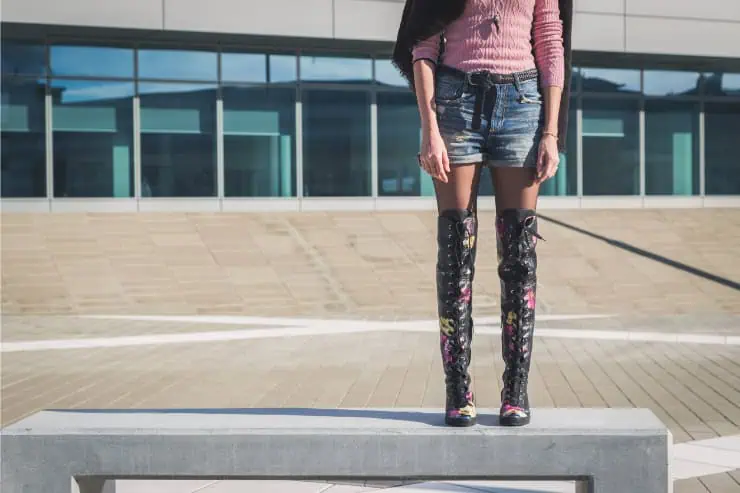
Once considered effortlessly chic, slouchy knee-high boots have officially crossed into dated territory. Excess fabric pooling around the ankle and calf now reads messy rather than relaxed. In 2026, boots are either purposefully structured or deliberately oversized this in between slouch feels accidental. These boots also tend to distort outfit proportions, especially when worn with dresses or skirts. What to wear instead: either sleek, straight-leg knee-high boots or intentionally wide shaft styles that feel architectural rather than collapsed.
4. Riding Boots with Decorative Straps
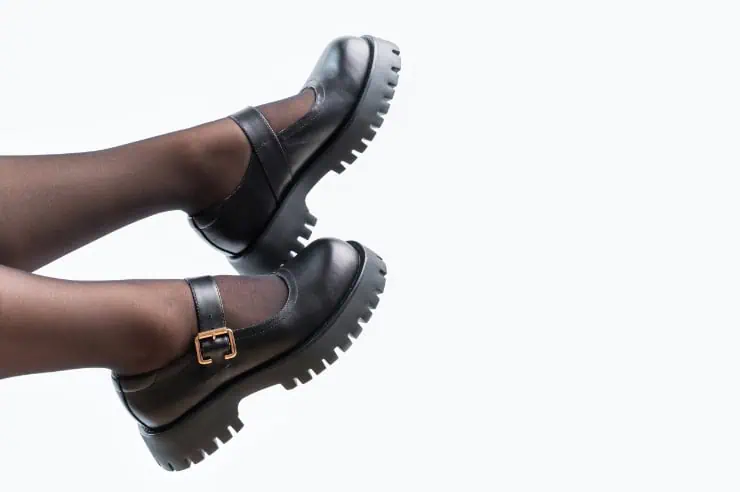
Traditional riding boots with buckles, straps, and contrast stitching were once a hallmark of practical polish. Today, those decorative details feel overly literal and costume-like. In 2026, minimalism dominates footwear design, and overt equestrian references can look stuck in the past. What to wear instead: streamlined knee-high boots with clean shafts and minimal hardware. Let shape and material do the work instead of embellishment.
5. Square Toe Comfort Boots from the 2010s
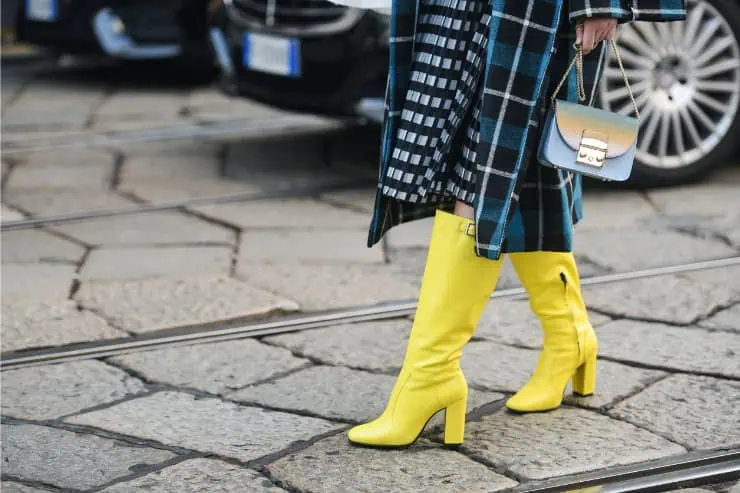
Early square-toe comfort boots often with thick soles and boxy fronts have not aged well. While square toes are still relevant, older versions tend to look clunky rather than intentional. The proportions feel off compared to modern interpretations. What to wear instead: updated square or almond toes with refined edges and slimmer profiles. The difference is subtle but immediately noticeable.
6. Ankle Boots with Hidden Platform Soles

Hidden platforms were once a clever way to add height discreetly, but in 2026 they feel dated and unnecessarily bulky. These boots often distort the foot’s natural line and create a heavy, awkward stance. What to wear instead: visible, well-proportioned soles or flat boots with strong design lines. Honesty in design now reads more modern than disguise.
7. Overly Soft, Unstructured Leather Boots
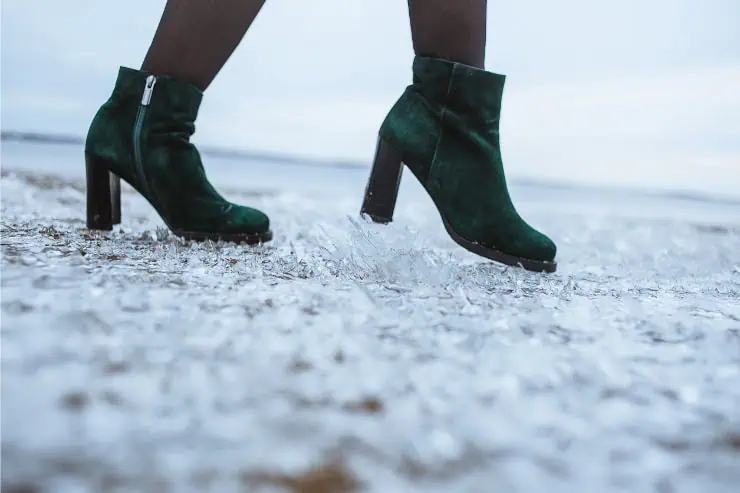
Ultra-soft leather boots that collapse and wrinkle excessively can make an outfit look tired. While comfort is appealing, lack of structure now reads careless rather than relaxed. In 2026, even casual boots benefit from some architectural integrity. What to wear instead: boots with reinforced shafts, defined seams, or firmer leather that holds its shape while still allowing movement.
8. Faux Fur Trimmed or Decorative Winter Boots
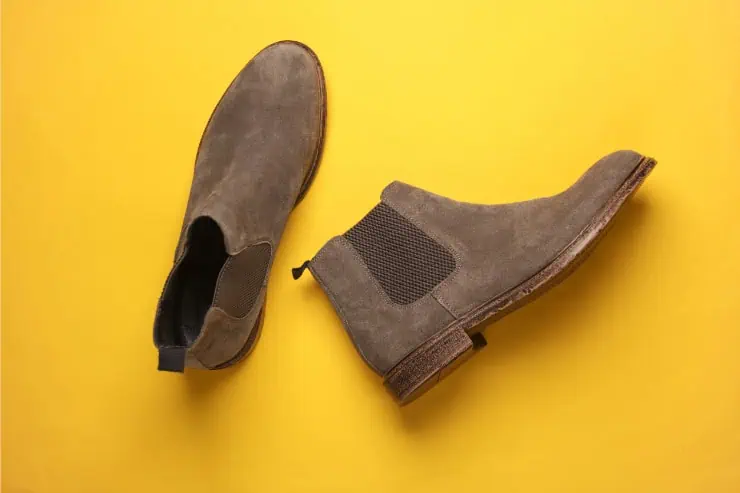
Faux-fur trims, contrast stitching, and decorative toggles once signaled cozy practicality, but they now feel firmly dated. These boots tend to overpower outfits and skew overly casual. In 2026, winter boots are sleeker, quieter, and more refined. What to wear instead: insulated boots with clean lines, subtle texture, and minimal visual noise that still perform in cold weather.