Every season, New York Fashion Week delivers more than trend forecasts it reveals how style is evolving in real life. Street style and runway looks increasingly blur, showing wearable sophistication rather than fantasy fashion. This year’s strongest takeaway wasn’t a single color or silhouette but a mindset: modern chic comes from contrast, intentional simplicity, and subtle statement pieces. Designers and editors alike leaned into clothing that feels refined yet effortless exactly the balance many women seek. These seven lessons translate directly from runway energy to everyday wardrobes, proving you don’t need designer labels to capture fashion-week polish.
Table of Contents
1. Tailoring Always Wins Over Trend Pieces
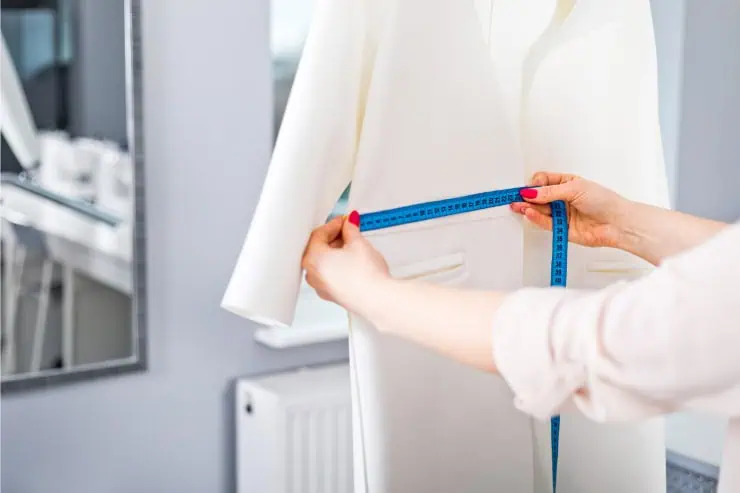
Runways repeatedly highlighted structured blazers, clean trousers, and sharply cut coats often styled simply. This reinforces a core truth: tailoring elevates everything around it. Even basic outfits looked expensive when anchored by precise fit and defined shoulders or seams. Street-style editors paired tailored jackets with denim, knits, and flats, proving versatility. The lesson is clear: investing in fit matters more than chasing seasonal pieces. Tailoring provides visual authority and polish without effort. It’s the fastest way to make casual clothing appear intentional rather than thrown together.
2. Monochrome Looks Instantly Read Sophisticated
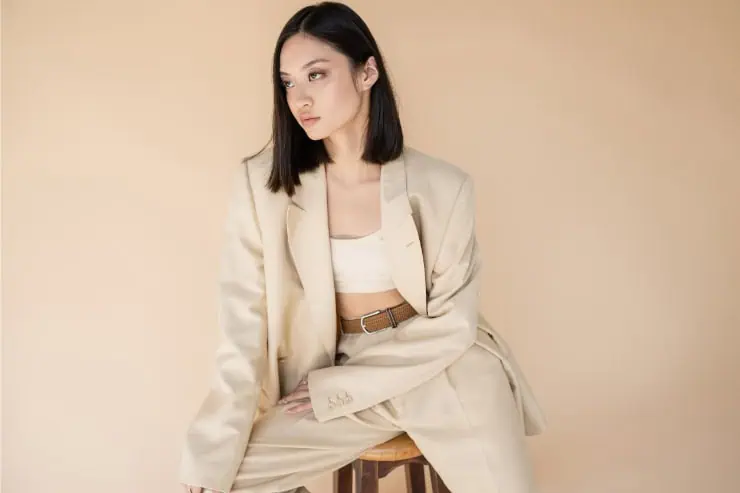
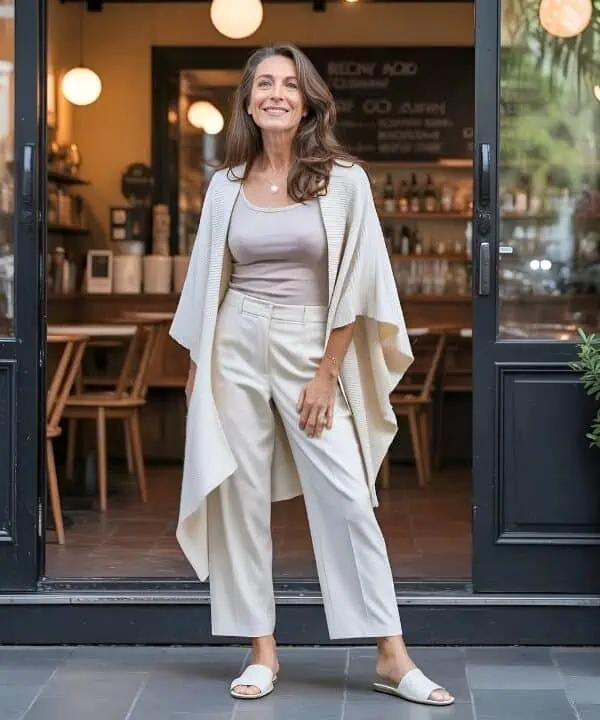
Head-to-toe color dressing dominated both runway collections and attendee outfits. Cream, charcoal, camel, and deep navy appeared layered in varied textures rather than mixed hues. Monochrome creates vertical continuity, which visually elongates and refines the body. Designers used tonal dressing to emphasize shape and fabric rather than color contrast. For everyday wear, this means pairing similar shades soft beige with tan, navy with ink, grey with charcoal. The effect feels calm, expensive, and cohesive. Simplicity becomes striking when color harmony replaces busy combinations.
3. Relaxed Pieces Need One Sharp Element
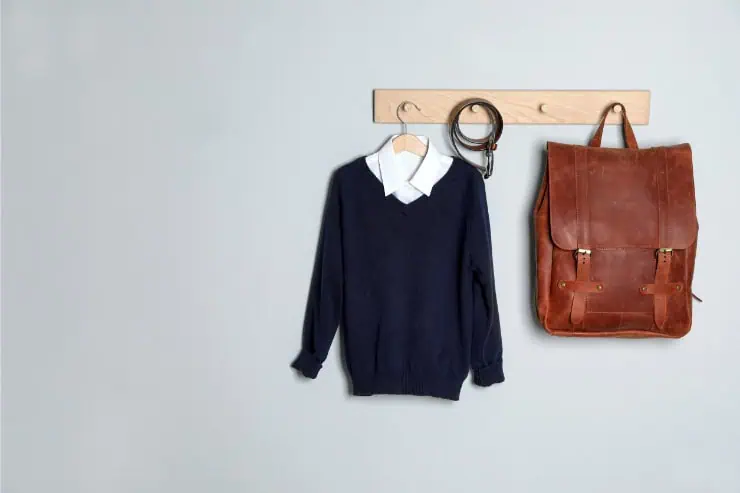
Oversized coats, fluid trousers, and slouchy knits appeared frequently—but always balanced by something crisp: pointed shoes, structured bags, or tailored layers beneath. This contrast prevents relaxed silhouettes from looking sloppy. Fashion Week styling consistently showed that ease works best with precision. A soft sweater gains clarity with sharp trousers; wide pants feel intentional with sleek footwear. The takeaway isn’t avoiding relaxed clothing it’s pairing softness with definition. Chic outfits often combine comfort and structure rather than choosing one.
4. Statement Accessories Are Getting Minimal
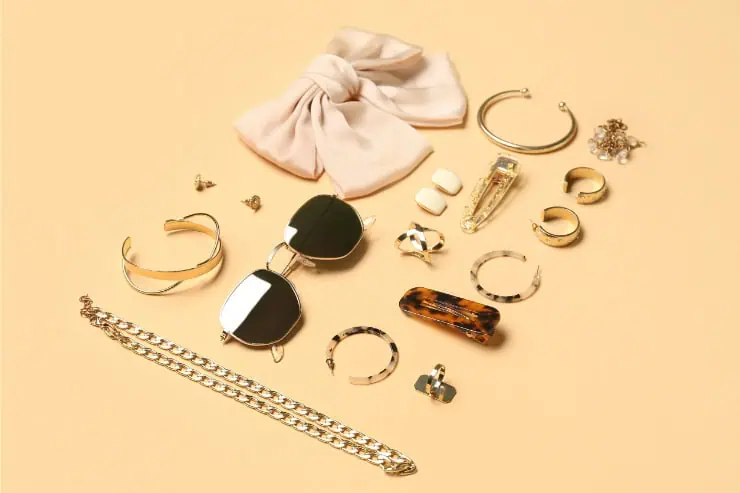
Instead of loud embellishment, standout accessories were sculptural and refined: architectural earrings, sleek belts, structured handbags. The focus shifted from decoration to shape. Accessories acted as quiet focal points rather than dominant features. This modern approach keeps outfits polished while adding interest. A single distinctive piece bold cuff, geometric bag, sharp shoe was enough. The lesson: choose accessories with strong form rather than heavy detail. Impact now comes from silhouette and material, not excess.
5. Texture Mixing Replaces Pattern Mixing
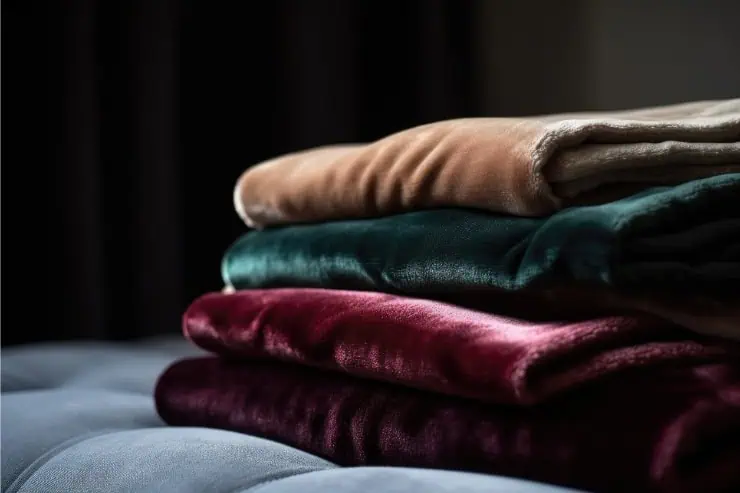
Rather than bold prints, designers layered textures wool with satin, leather with knit, tweed with silk. This created depth without visual chaos. Texture mixing reads sophisticated because it maintains tonal harmony while adding dimension. Street style echoed this: suede coats over cashmere, denim with wool, matte fabrics beside sheen. For real wardrobes, this means combining materials instead of prints. The result feels rich yet restrained. Texture offers complexity while preserving elegance.
6. Flats Are Officially Polished Again
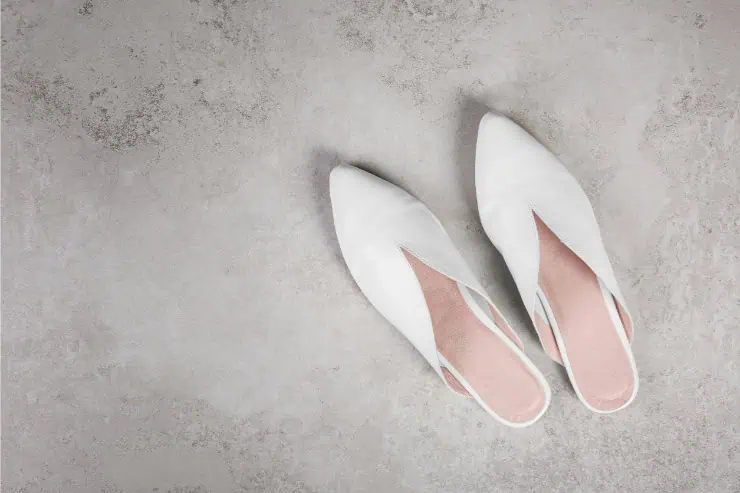
Fashion Week confirmed the ongoing shift toward elegant flat shoes loafers, ballet flats, sleek boots. Styled with tailoring and dresses alike, flats appeared deliberate rather than casual. Designers emphasized comfort aligned with sophistication, reflecting lifestyle changes. The key difference from past flat trends is refinement: slim shapes, quality materials, and clean lines. This makes flats suitable even for formal outfits. The takeaway is liberating height is no longer required for polish. Proportion and shoe design matter more than heel height.
7. Effortless Hair and Makeup Complete the Look
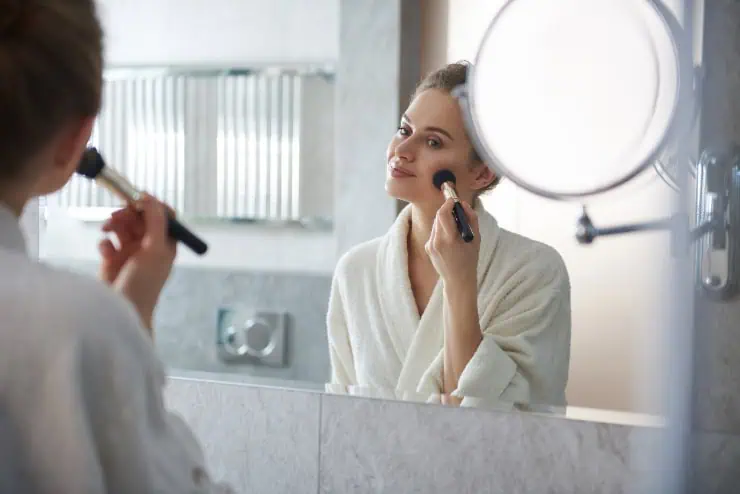
Beauty styling across shows favored natural texture, soft skin, and minimal makeup. The clothing carried structure; beauty remained relaxed. This balance reinforced modern chic: composed yet not overworked. Overly styled hair or heavy makeup can compete with refined clothing. Fashion Week looks felt fresh because grooming looked real. For everyday style, this means pairing polished outfits with understated beauty. The contrast enhances authenticity. Chic now reads as ease supported by intention.