The Oscars red carpet is known for dramatic gowns, long trains, and elaborate silhouettes. While these designs create striking visuals, they do not always flatter every body type. For celebrities with smaller or petite frames, gowns with excessive layers, oversized skirts, or heavy draping can sometimes overwhelm natural proportions. Stylists often emphasize that balance and structure matter more than sheer volume. A well-tailored dress can highlight a petite frame far better than one that relies on dramatic amounts of fabric. Several Oscar appearances over the years have sparked conversations about how styling choices affect proportion on the red carpet. These five looks remind us that sometimes a simpler silhouette can be more powerful than the most elaborate gown.
Table of Contents
1. The Oversized Ball Gown Effect
Ball gowns are a classic red carpet choice, but extremely full skirts can sometimes dominate a smaller frame. When the skirt contains multiple layers of fabric or a very wide structure, the wearer’s natural proportions may become less visible. Instead of highlighting the body’s shape, the dress becomes the primary focus. Stylists often note that petite figures tend to benefit from gowns that maintain a clear waistline and controlled volume. Without this balance, the skirt can appear to swallow the wearer, especially in photographs taken from a distance. While dramatic gowns remain popular on the Oscars carpet, many experts say that scaled down versions often work better for smaller frames.
2. Excessive Draping and Layers
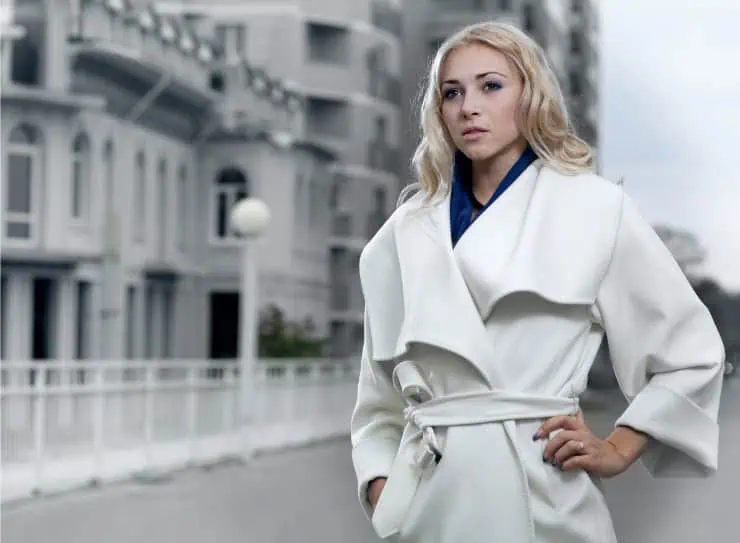
Another red carpet design element that can overwhelm petite frames is heavy draping combined with multiple fabric layers. Draped gowns can look elegant when the folds are carefully structured, but too many layers can add visual weight to the silhouette. When fabric gathers around the hips, waist, or shoulders, it can create bulk that hides the natural shape of the body. Stylists frequently recommend simpler draping for smaller figures because it keeps the outline of the dress clear and balanced. Clean lines allow the wearer’s proportions to remain visible while still maintaining the elegance expected on a red carpet.
3. Oversized Trains and Capes
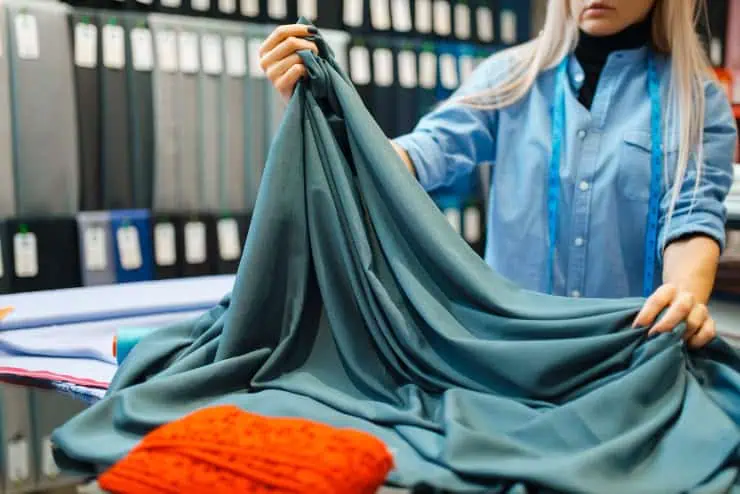
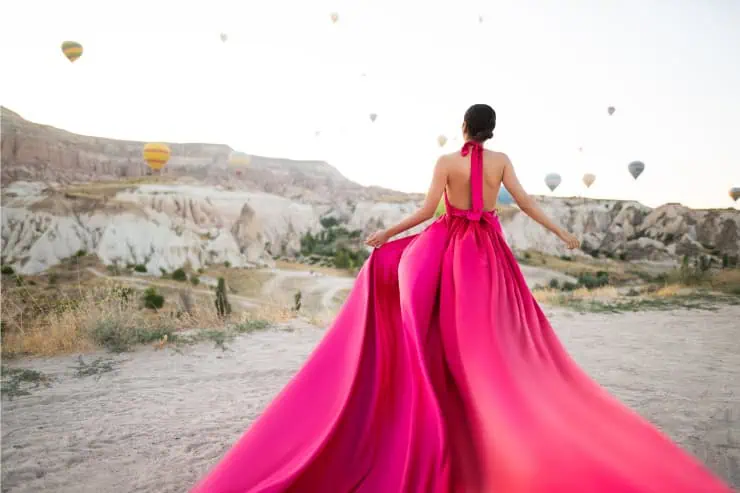
Long trains and dramatic capes often create unforgettable red carpet moments, but they can also create challenges for petite celebrities. When a train extends far behind the dress or a cape adds significant volume around the shoulders, it can visually shorten the wearer. The eye may focus more on the sweeping fabric than on the person wearing it. Stylists often suggest that petite figures choose shorter trains or lighter cape designs so the dramatic element enhances the outfit rather than dominating it. A well-balanced train can add glamour without overwhelming the overall silhouette.
4. Heavy Fabric Choices
Fabric choice plays a major role in how a gown appears on the red carpet. Materials such as thick satin, velvet, or heavily embellished textiles can add weight to a dress. For petite frames, these fabrics sometimes create a bulky appearance that hides natural lines. Lighter fabrics like chiffon, silk, or crepe tend to drape more softly and follow the body’s movement. Stylists often recommend these materials because they create elegance without adding unnecessary volume. The result is a gown that feels graceful and proportionate while still delivering the drama expected at a major awards show.
5. When Simplicity Wins
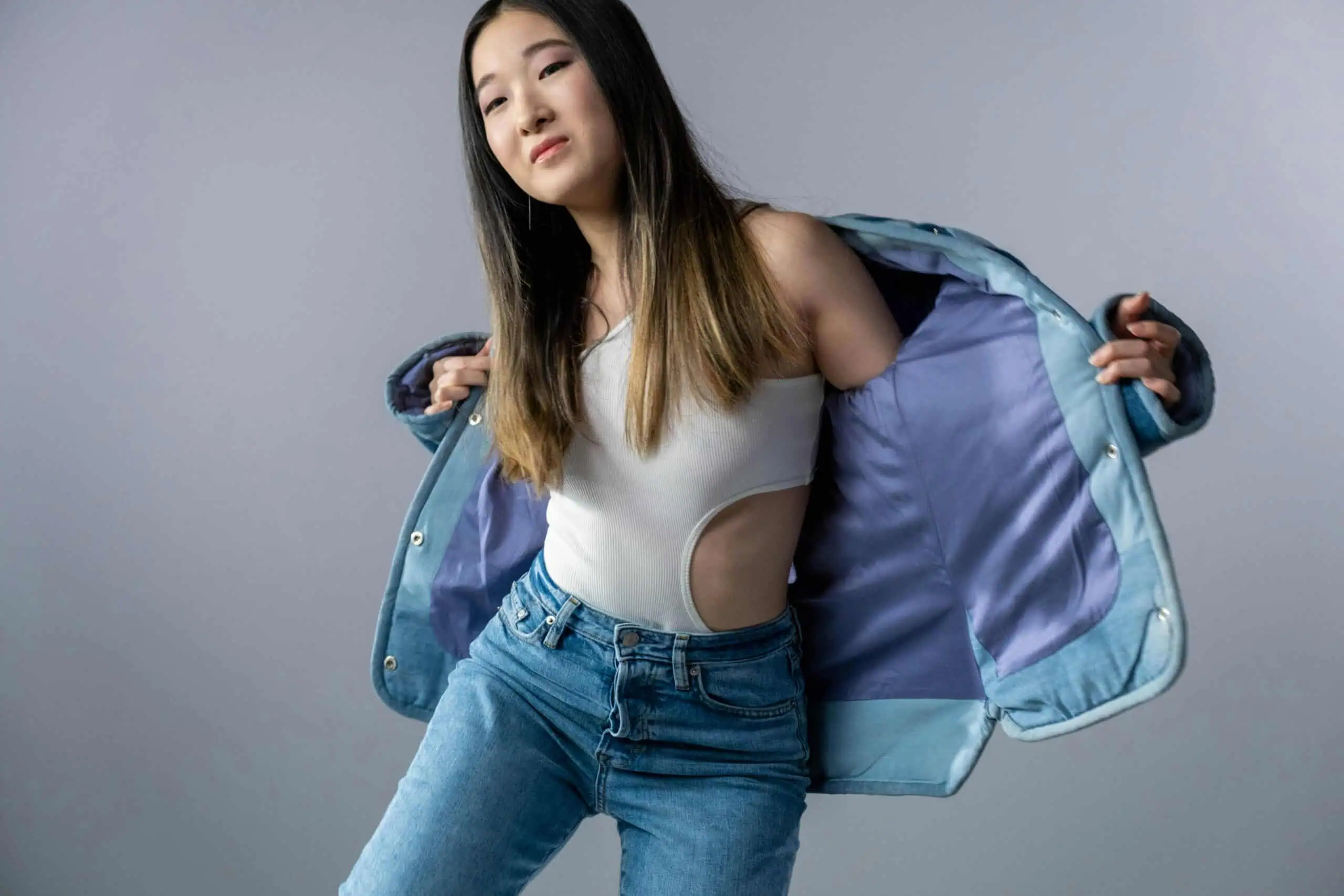
Many of the most memorable red carpet looks prove that simplicity can be more powerful than elaborate designs. Dresses with clean lines, defined waists, and minimal excess fabric often highlight a petite frame beautifully. Instead of competing with the wearer’s proportions, these gowns work with them. Stylists frequently say that a well tailored silhouette allows the person wearing the dress to remain the focus rather than the garment itself. The Oscars red carpet continues to celebrate creativity and bold fashion, but these examples show that sometimes less fabric can create a far more flattering and elegant result.