Most people have experienced the difference between an outfit that feels perfect and one that never seems quite right. Sometimes an outfit can look good on a hanger or in a store but feel awkward or uncomfortable when worn. At the same time, certain clothing combinations seem to work effortlessly again and again. This difference rarely comes from expensive clothing or following every fashion trend. Instead, it usually comes from a few key elements such as proper fit, balanced proportions, comfortable fabrics, and colors that suit the wearer. When these details come together naturally, an outfit can feel polished and easy to wear. Understanding why some outfits work consistently while others do not can help anyone build a wardrobe that feels more reliable and enjoyable.
Table of Contents
1. Proper Fit Makes the Biggest Difference

The most important factor that determines whether an outfit works is how well the clothing fits. Garments that follow the natural shape of the body tend to look balanced and comfortable. When clothing is too tight, it can feel restrictive and draw attention to areas that feel uncomfortable. On the other hand, pieces that are too loose can sometimes appear shapeless or unfinished. Clothing that fits properly allows movement while still maintaining structure. Even simple items like a well fitting pair of trousers or a tailored shirt can instantly improve the overall look of an outfit. When fit is right, the entire outfit usually feels more natural and confident.
2. Balanced Proportions Create Harmony
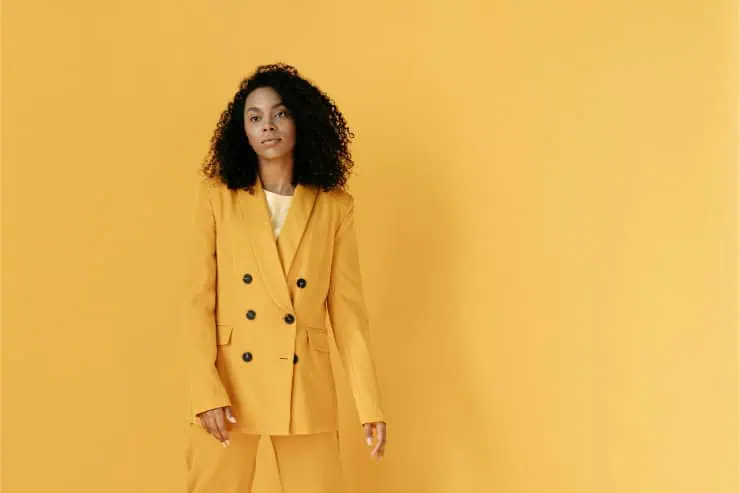
Outfits that work well often have balanced proportions. This means the shapes and lengths of different pieces complement each other instead of competing for attention. For example, a looser top may pair well with more fitted trousers, while wider pants can look balanced with a more structured or shorter top. When proportions are not balanced, the outfit may feel visually uneven. Clothing that is oversized from head to toe or extremely tight in multiple areas can sometimes create a look that feels uncomfortable. Paying attention to how each piece relates to the others helps create a more harmonious outfit.
3. Comfortable Fabrics Improve Confidence
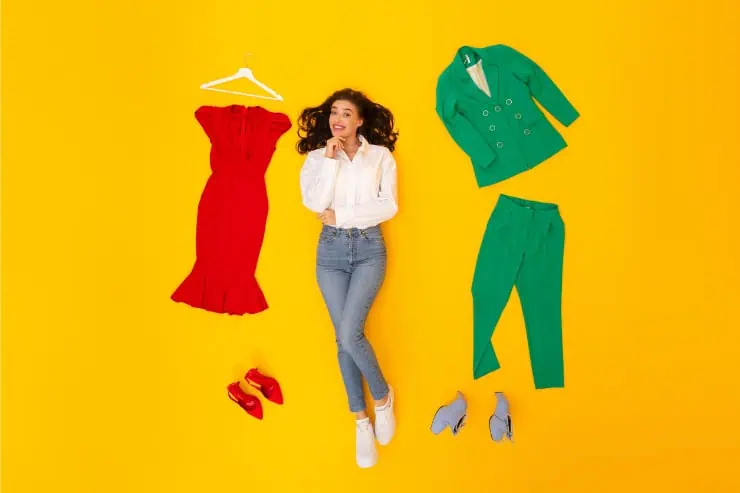
Fabric choice also plays a major role in how an outfit feels during the day. Materials that breathe well and move naturally with the body often make clothing more enjoyable to wear. If a fabric feels stiff, itchy, or overly heavy, the outfit may quickly become uncomfortable. This discomfort can affect posture and confidence. Soft cotton, flexible knits, and lightweight woven fabrics are often preferred because they allow freedom of movement. When clothing feels physically comfortable, it becomes much easier to feel relaxed and confident in the outfit.
4. Colors That Work Together
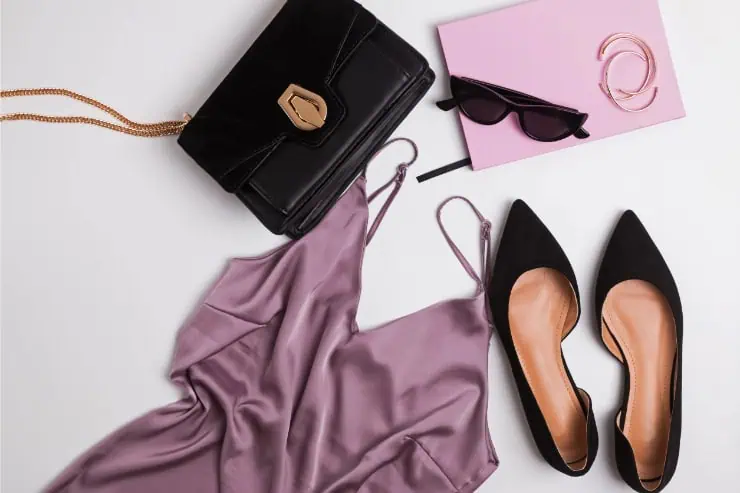
Color coordination is another reason some outfits feel naturally successful. Colors that complement each other tend to create a calm and cohesive appearance. Neutral tones often combine easily, while a single stronger color can add interest without overwhelming the outfit. When too many competing colors appear together, the result can sometimes feel visually busy. Many reliable outfits rely on a simple color palette that allows the shapes and textures of the clothing to stand out. Understanding which colors suit the wearer and combine well together helps make outfit choices more dependable.
5. The Right Clothing for the Occasion

An outfit can also feel wrong if it does not match the situation in which it is worn. Clothing that feels perfect for a relaxed weekend may feel out of place in a professional setting. Likewise, overly formal clothing may feel uncomfortable in casual environments. When outfits align with the activity, location, and social setting, they tend to feel more natural. Thinking about where and how the clothing will be worn helps ensure that the outfit supports the moment rather than distracting from it.