Floral prints have been a fashion staple for decades, appearing in everything from dresses and blouses to skirts and scarves. They’re often associated with femininity, softness, and timeless style. However, fashion trends in 2026 are moving away from the heavy “all-over” floral patterns that once dominated many wardrobes. These dense prints can sometimes overwhelm the silhouette, compete with other elements of an outfit, and create a look that feels busy rather than refined. Instead, designers and stylists are favoring more balanced approaches to pattern subtle prints, strategic placement, and cleaner designs. The goal is not to eliminate florals entirely, but to wear them in ways that feel modern and visually balanced.
1. The Problem With Dense All Over Prints
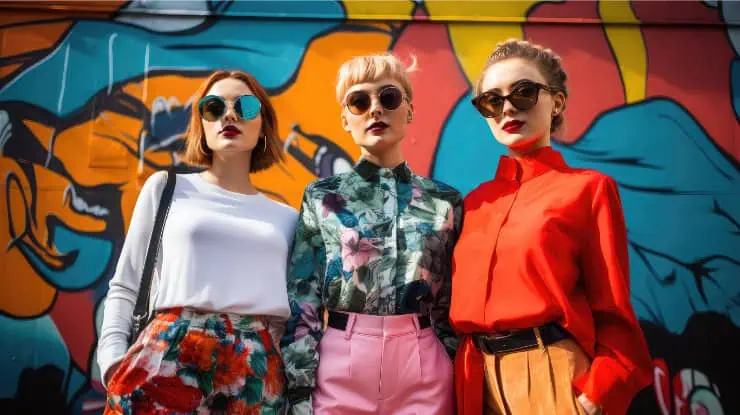
All-over floral prints cover the entire garment with repeating patterns, often leaving little visual breathing room. When the flowers are large, colorful, or tightly packed together, the eye has no clear focal point. This can make the outfit feel visually chaotic rather than polished. Instead of highlighting the shape of the garment or the wearer’s silhouette, the pattern dominates everything. In many cases, the clothing ends up looking more like a sheet of fabric with a print than a thoughtfully designed piece. In 2026, fashion trends are leaning toward designs that allow both the pattern and the garment’s structure to stand out.
Table of Contents
2. Why These Prints Can Look Dated
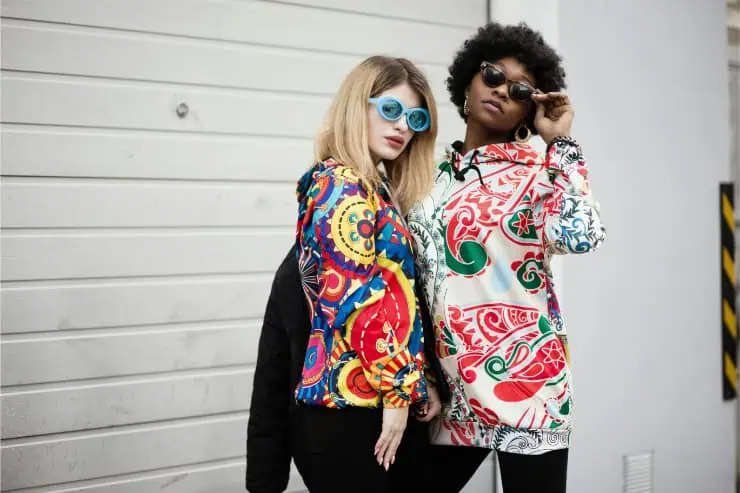
Heavy floral prints often carry strong associations with earlier fashion cycles. Many of the most recognizable all-over floral designs were popular during past decades, which means they can quickly evoke an older style era when worn today. As trends evolve, fashion tends to move toward fresh interpretations rather than repeating older motifs exactly as they were. In 2026, the emphasis is on modern silhouettes and updated prints. When floral patterns appear overly traditional or densely arranged, they can unintentionally make an outfit look dated instead of timeless.
3. How Pattern Overload Affects Proportions
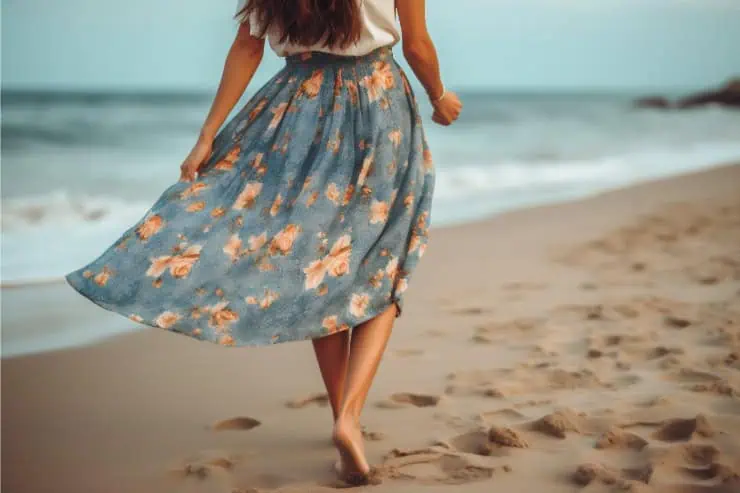
Another challenge with all-over floral prints is how they interact with body proportions. Large or dense patterns can visually expand the area they cover, which may make garments appear bulkier than they actually are. When every part of the fabric carries the same bold pattern, the eye struggles to detect shape and structure. This can flatten the silhouette and hide the natural lines of the body. Strategic pattern placement, on the other hand, can highlight certain areas and create a more balanced overall look.
4. The Modern Way to Wear Florals
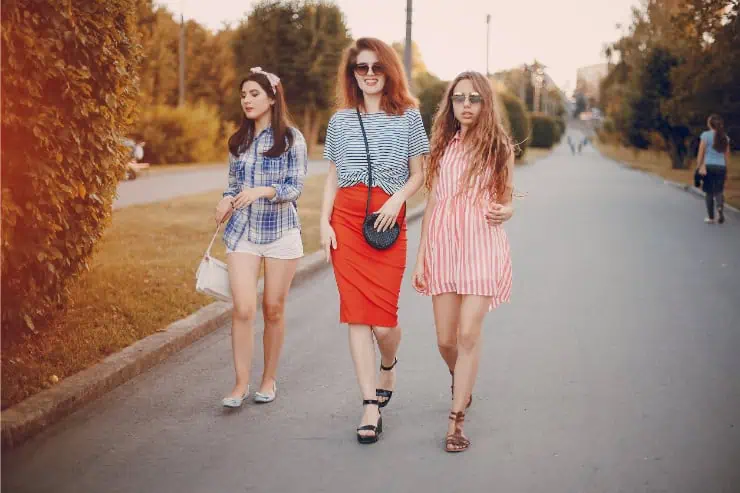
Florals are far from disappearing from fashion they’re simply evolving. Modern floral designs often feature more spacing between elements, softer color palettes, or stylized interpretations of botanical shapes. Some garments include floral accents rather than full coverage, allowing the print to serve as a highlight instead of the entire focus. Designers are also experimenting with asymmetrical placement and mixed textures to give floral patterns a contemporary feel. These updated approaches maintain the charm of florals while avoiding the visual overload of traditional all-over prints.
5. Simple Alternatives That Look Fresh
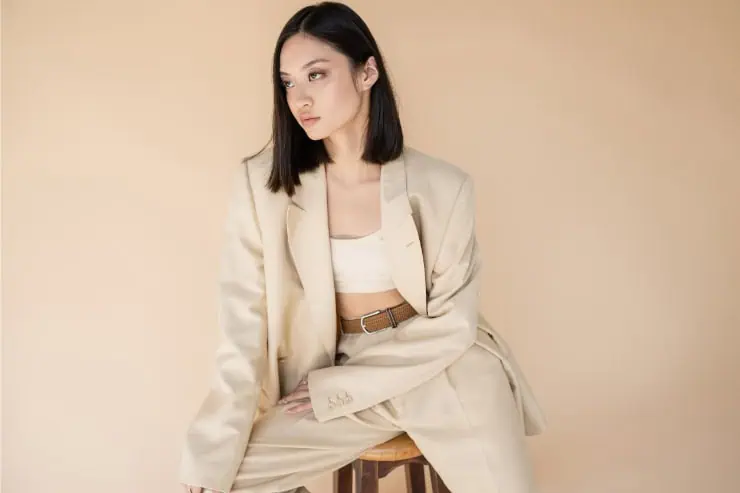
For a more current look, many stylists recommend choosing pieces with smaller, more spaced-out patterns or garments where the print appears only in certain sections. Pairing a floral top with solid trousers, for example, keeps the outfit balanced. Neutral backgrounds with subtle floral details can also create a refined effect. Another option is choosing abstract or botanical-inspired prints that hint at florals without using the traditional repeating pattern. These alternatives maintain the elegance of floral design while aligning with the cleaner, more modern aesthetic popular in 2026.