Throughout history, women’s fashion has often been treated as a reflection of morality, class, and social order, sometimes even more so than the woman herself. In many eras, wearing the “wrong” outfit wasn’t just a fashion faux pas; it was a punishable act that could get women kicked out of churches, denied entry to restaurants, or even arrested. These seven once-controversial outfit choices might seem perfectly normal today, but they once challenged social norms and paid the price.
Table of Contents
1. Pantsuits in Government Buildings (1930s–1960s)

For decades, women wearing pants, especially in formal settings like government offices or courtrooms, was considered scandalous. In 1938, a woman named Helen Hulick was sentenced to jail for contempt of court in Los Angeles simply for wearing trousers while testifying in a burglary case. Pantsuits were viewed as “unladylike,” and women were sometimes banned from public service jobs or political offices if they refused to wear skirts. It wasn’t until trailblazers like Katharine Hepburn and later Hillary Clinton that pantsuits became accepted formal wear.
2. Bikinis on Beaches (1950s–1960s)

When the bikini debuted in 1946, it shocked the world, and not in a good way. The revealing two-piece was banned on several public beaches and swimming pools across the U.S. and Europe. Women wearing them were sometimes fined or escorted off beaches. In Italy and Spain, Catholic morals heavily influenced dress codes, making bikinis outright illegal in certain areas until the 1960s. Today, they’re beach staples, but back then, a bikini could literally get you booted from the sand
3. Mini Skirts in Restaurants or Churches (1960s–1970s)

The miniskirt was a rebellious icon of the ’60s, but many places didn’t share the enthusiasm. Women were often denied entry into churches, upscale restaurants, or workplaces for showing too much leg. In some countries, laws were proposed to ban the mini altogether. A New York woman reported being turned away from a department store for wearing one. While now widely accepted, the miniskirt was once seen as a symbol of moral decline and treated accordingly.
4. Sleeveless Tops in Government Offices or the Vatican (Various Periods)

In places like the U.S. Congress or the Vatican, dress codes for women explicitly ban sleeveless tops or dresses. Even in recent years, female journalists and visitors have been denied entry into government buildings or religious sites for baring their shoulders. The Vatican’s strict modesty rules once required women to wear long skirts and covered arms—even tourists were stopped at the door if their outfits showed too much skin.
5. Jeans in Upscale Clubs or Restaurants (1970s–1990s)
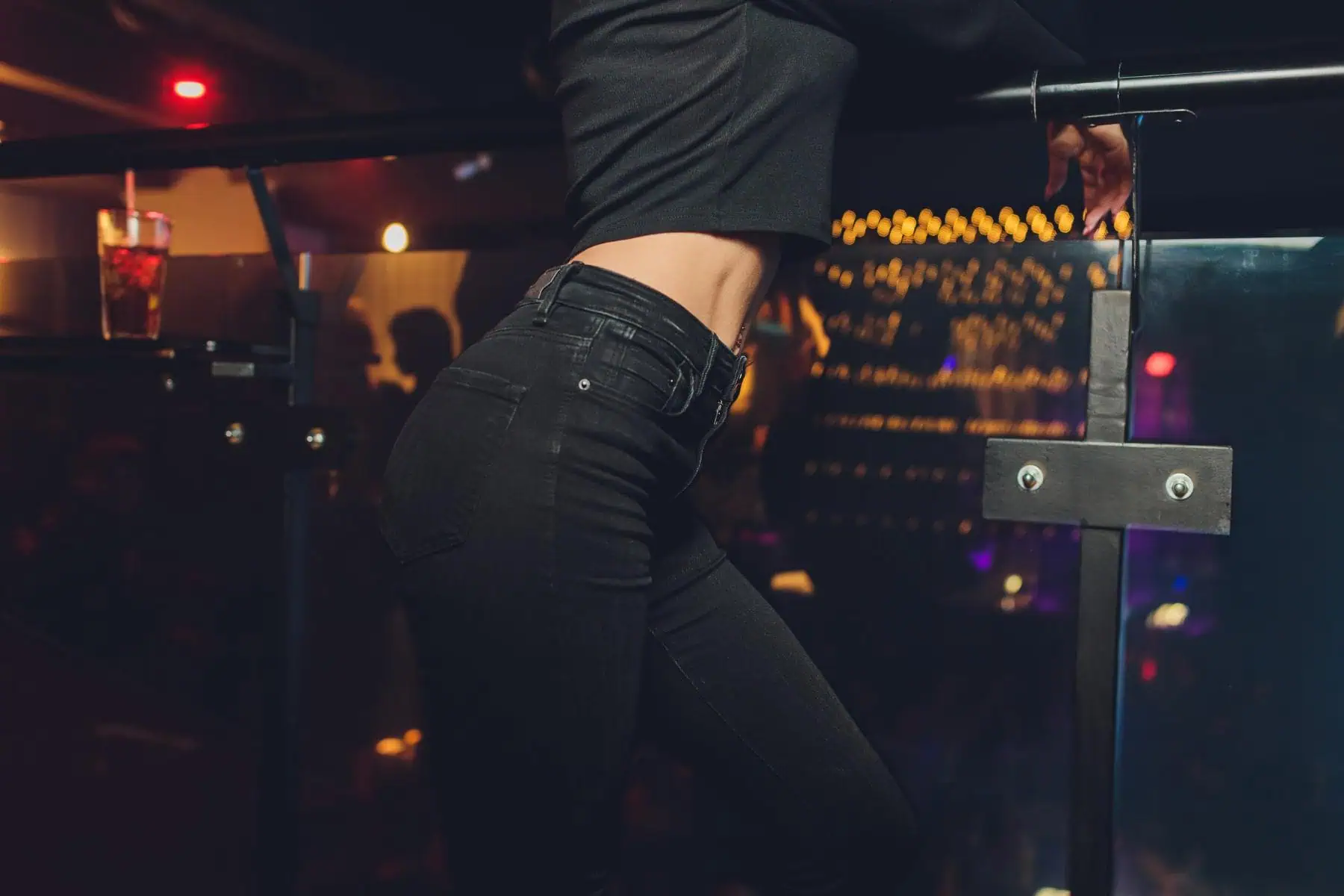
Denim may be everywhere today, but it wasn’t always welcome. High-end venues often had dress codes banning jeans, especially for women. The idea was that jeans were “working-class” and therefore inappropriate for elegant settings. Women dressed in designer denim could still be refused entry at nightclubs or even office buildings. This was particularly ironic during the 1980s when designer jeans like Jordache and Calvin Klein were high fashion.
6. Corset-Free Dresses in the 1800s
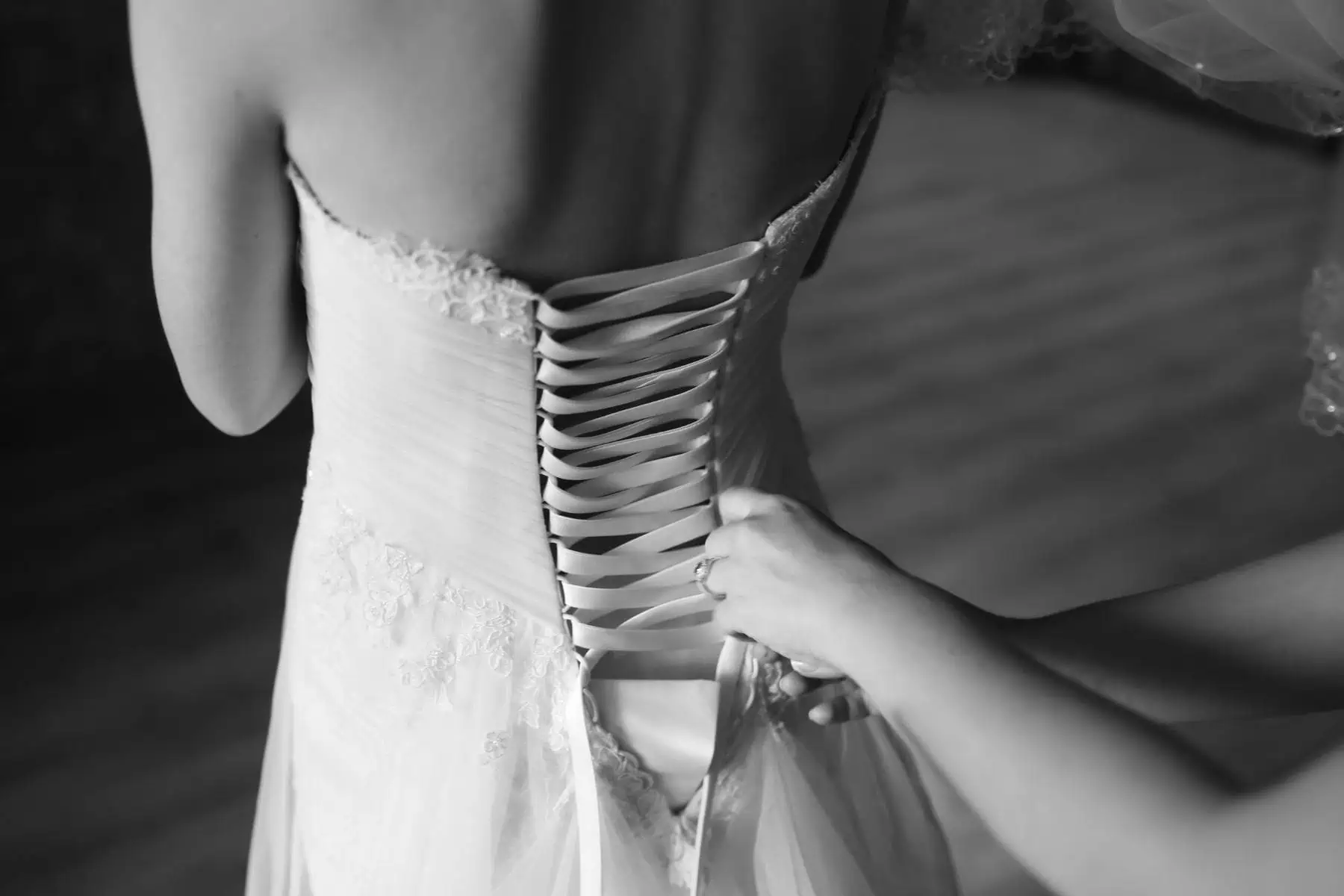
In the Victorian era, women were expected to wear corsets and layers of modest clothing. When dress reformers like Amelia Bloomer and others advocated for looser, healthier clothing, including “bloomers” and uncorseted dresses, they were often banned from social clubs, churches, or events. Their clothing was seen as radical and even threatening to gender norms. Simply refusing to wear a corset could label a woman as immoral or rebellious, limiting her access to respectable society.