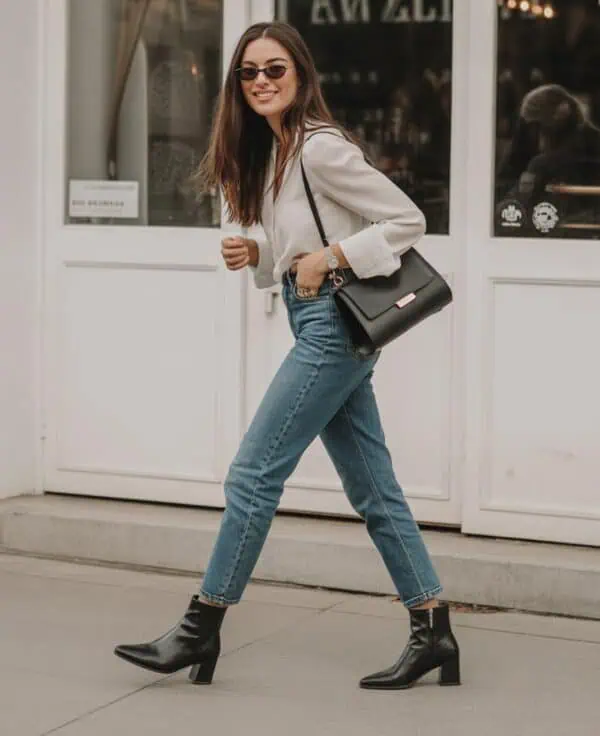
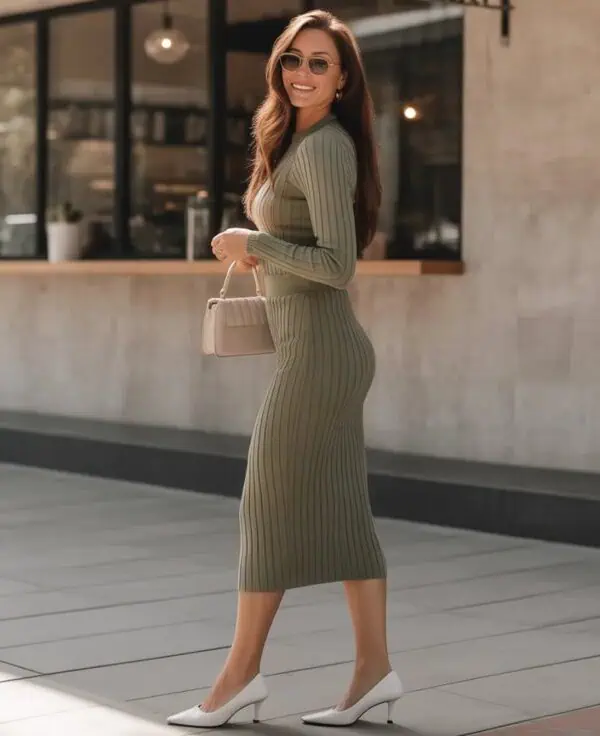
Weight naturally fluctuates over time, and even a small change can make familiar clothes feel less flattering. The good news is that looking slimmer rarely requires drastic wardrobe overhauls strategic styling adjustments can instantly refine proportions and create a more streamlined silhouette. The key lies in visual balance: guiding the eye vertically, reducing bulk, and emphasizing structure rather than tightness. These practical hacks focus on fit, fabric, color placement, and layering elements that reshape how the body is perceived without restrictive garments or shapewear. Whether you’re dressing for everyday confidence or a specific event, these techniques help you feel polished and comfortable while your body settles into its natural rhythm.
Table of Contents
1. Define the Waist But Gently
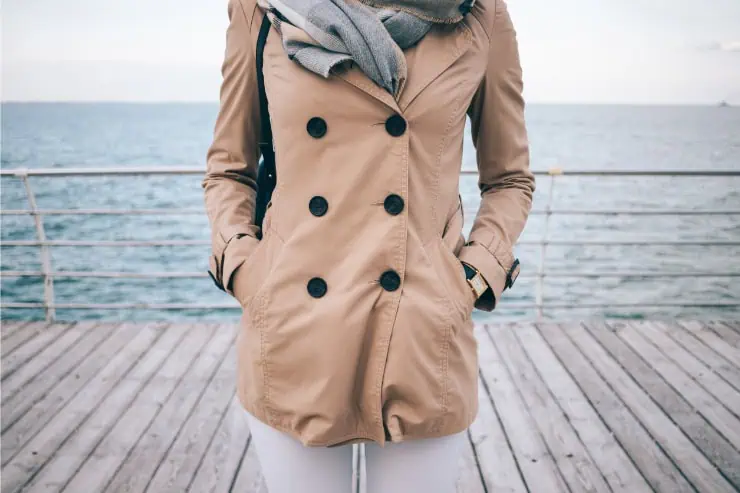
When weight increases slightly, many people either hide the waist completely or squeeze into overly tight fits both of which can make the midsection appear larger. A softer waist definition creates shape without compression. This can be achieved through subtle tailoring, wrap silhouettes, gentle tucks, or semi-fitted garments that follow natural curves rather than clinging. Dresses or tops with strategic seams, draping, or side shaping visually narrow the torso while maintaining comfort. The goal is suggestion rather than cinching: hinting at the waistline guides the eye inward and restores proportion between shoulders and hips.
2. Use Vertical Lines to Lengthen
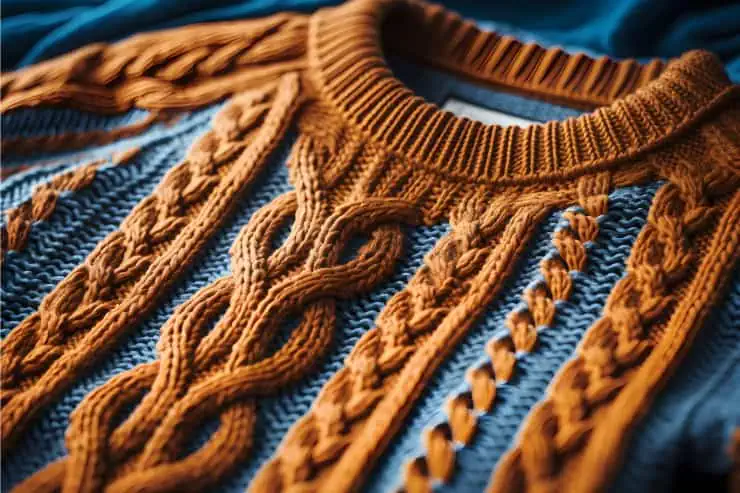
Vertical visual pathways naturally elongate the body and reduce perceived width. These lines can come from garment seams, open layers, center-front closures, long necklaces, pleats, or tonal color columns. Wearing similar tones from top to bottom creates an uninterrupted vertical flow that visually slims the entire silhouette. Even subtle elements like a cardigan worn open or trousers with a front crease encourage the eye to travel up and down instead of side to side.
3. Choose Structure Over Cling
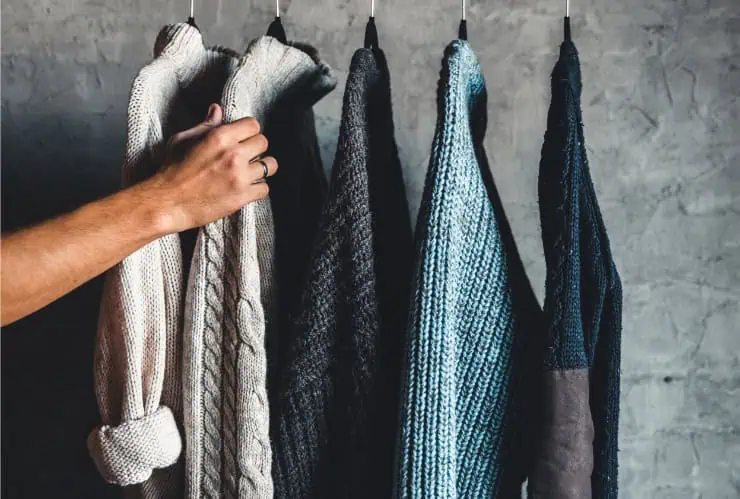
Clingy fabrics often highlight areas people feel self conscious about, while overly stiff fabrics add bulk. The most flattering middle ground is gentle structure: materials that skim rather than stick or stand away. Fabrics with weight and drape such as ponte, crepe, or structured knits create clean lines that smooth the silhouette visually. Tailored pieces like blazers or structured tops hold their shape and define edges, which makes the body appear more streamlined underneath.
4. Embrace Strategic Dark Placement

Dark colors visually recede, meaning they draw less attention and create a slimming effect where placed. Instead of wearing all black, strategic dark placement targets areas you want to minimize while allowing lighter or brighter tones elsewhere. For example, darker trousers with a lighter top shift focus upward, while a dress with darker side panels visually narrows the torso. This technique works because contrast directs the eye: lighter areas advance, darker areas recede. Balanced thoughtfully, it shapes perception of width and proportion instantly.
5. Keep Hems and Sleeves Intentional

Awkward lengths can visually widen the body by cutting across broad points such as the hips, mid-thigh, or fullest part of the arm. Adjusting hems and sleeves to more strategic positions instantly refines proportions. Skirts or dresses that end just above or below the knee elongate the leg, while sleeves that end at the forearm or wrist create a narrower arm line than mid-bicep lengths. Cropped or hip-length tops prevent torso shortening compared to longer tunics that hit the widest hip area.